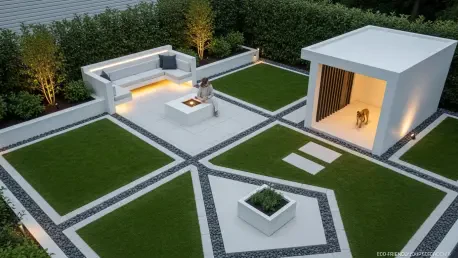

The rapid evolution of modern residential design has reached a point where the boundaries between human luxury and animal necessity have blurred into a single, cohesive discipline. Homeowners are no longer content with simply providing a patch of grass for their pets; instead, they are investing in sophisticated environments that prioritize the physiological and psychological needs of domestic animals. This shift, colloquially known as Barkitecture, represents a significant departure from traditional landscaping, which often viewed pets as a threat to a pristine garden. By placing the dog’s perspective at the center of the creative process, designers are uncovering ways to harmonize high-end aesthetics with the rugged demands of active pets. This movement gained substantial cultural momentum following the recent unveiling of a dog-inclusive garden at a major international floral exhibition, proving that professional horticulture and pet ownership can coexist beautifully. The core philosophy here is not about restriction or containment but rather about creating a shared sanctuary where every inhabitant, regardless of species, can thrive.
Designing for Natural Canine Behaviors
A fundamental principle of modern pet-friendly landscaping is the recognition that dogs possess innate navigational instincts that dictate how they interact with an outdoor space. Rather than fighting against a dog’s tendency to patrol the perimeter of a property or create “desire lines” through flower beds, designers are now observing these predictable movement patterns to inform the layout. By installing structured circulation paths along fences or through high-traffic areas, a landscape can maintain its visual integrity while providing the dog with a clear route for exercise and security. Strategic planting plays a vital role in this methodology, as delicate or prized specimens are positioned in protected zones or elevated planters, away from the chaotic energy of play. This proactive approach ensures that the garden remains a source of relaxation for the owner rather than a constant site of repair. When the natural flow of the animal is respected, the need for disciplinary measures decreases, and the garden becomes a more resilient, low-stress environment for the entire family.
Furthermore, successful integration requires a deep understanding of a pet’s sensory experience, moving beyond just visual appeal to include texture and temperature regulation. Since dogs are highly sensitive to heat and hard surfaces, designers are incorporating cooler microclimates through the use of dense canopy trees and moisture-retaining ground covers. Providing designated resting spots that offer both shade and a clear vantage point allows a pet to fulfill its instinctual need to monitor its surroundings in comfort. For instance, incorporating natural stone outcrops or recessed wooden decks can provide varying thermal experiences throughout the day. The selection of materials also shifts toward durability and paw-friendly textures, avoiding sharp gravel or surfaces that absorb excessive heat. This level of intentionality transforms a standard backyard into a multi-sensory playground that keeps pets engaged and safe. By focusing on these functional details, the landscape transcends simple ornamentation and becomes a high-performing ecosystem tailored to the specific biological requirements of its most active residents.
Material Innovation and Commercial Availability
The surge in demand for pet-centric outdoor spaces has triggered a significant response from the commercial sector, leading to a new era of specialized product lines and durable materials. Major home improvement retailers have introduced dedicated collections that address the common pain points of pet ownership, such as lawn damage and containment challenges. Products like no-dig fencing systems and stain-resistant outdoor rugs are becoming standard offerings, allowing homeowners to implement professional-grade solutions without the need for custom fabrication. This commercialization signals that the movement has moved past a niche luxury trend and into a mainstream expectation for residential properties. The availability of these tools enables more people to create gardens that are both beautiful and functional, reducing the barrier to entry for effective landscape design. As the market continues to expand, the focus remains on blending utility with style, ensuring that even the most practical features, such as waste-resistant turf or reinforced drainage systems, do not detract from the overall ambiance.
Beyond off-the-shelf products, the technological advancement of materials has revolutionized the longevity of pet-friendly environments. High-performance synthetic turfs are now engineered with antimicrobial properties and superior drainage to withstand heavy use while mimicking the appearance of natural grass. For those preferring organic options, the industry has identified specific hardy, non-toxic plant species that can endure the nitrogen levels found in dog waste without losing their vitality. This careful curation of the botanical palette ensures that the garden remains lush and green regardless of the pet’s activity level. Additionally, the integration of automated hydration stations and smart waste management systems has simplified the maintenance aspect of these landscapes. These innovations allow the garden to function as a self-sustaining habitat that requires minimal intervention from the homeowner. By leveraging these advancements, the modern landscape designer can offer a space that is as resilient as it is visually stunning, meeting the high standards of contemporary living while accommodating the energetic reality of life with a dog.
Sustainability and Smart Garden Management
Looking ahead, the integration of artificial intelligence and sustainable practices is redefining how these specialized landscapes are planned and maintained. Designers are increasingly utilizing AI-powered software to simulate how a specific pet will interact with various garden layouts before a single plant is put into the ground. These simulations can predict high-impact zones, identify potential safety hazards, and optimize the placement of shade and water features based on the movement of the sun. This data-driven approach allows for a level of precision that was previously unattainable, ensuring that the final landscape is perfectly calibrated to the unique behavior of the resident animals. Coupled with this technological shift is a renewed commitment to ecological responsibility through the use of xeriscaping and native planting. By selecting indigenous species that are naturally adapted to the local climate, designers can create low-maintenance habitats that support local biodiversity while being tough enough to withstand canine play. This synergy between high-tech planning and natural resilience is the new gold standard.
To ensure the long-term success of a pet-friendly landscape, homeowners must adopt a holistic management strategy that balances immediate aesthetics with future sustainability. The transition toward using low-maintenance perennials and year-round evergreens has proven effective in maintaining a consistent visual structure while reducing the labor required for seasonal upkeep. It was observed that gardens focusing on these hardy varieties remained more functional during extreme weather shifts, providing a stable environment for pets. Moving forward, the most successful outdoor spaces will be those that treat the landscape as a living, breathing entity that evolves alongside its inhabitants. Investing in modular structures like pergolas or pavilions can provide the necessary flexibility to adapt the space as a pet ages or as the family’s needs change. By prioritizing durable materials, indigenous plant life, and smart irrigation systems, property owners can ensure their sanctuary remains both environmentally friendly and pet-resilient. This forward-thinking mindset ensures that the garden continues to serve as a high-value asset, offering a sophisticated and harmonious refuge for many seasons to come.