
The sudden eruption of flames at the Middleton Cove complex late Tuesday evening sent shockwaves through the local community as residents scrambled to evacuate the rapidly deteriorating structure. Smoke began billowing from a third-story balcony around 11:30 PM, quickly transitioning from a localized incident into a three-alarm emergency that required the intervention of over seventy-five firefighters from four neighboring precincts. Initial reports suggest that the fire spread with an intensity that overwhelmed the building’s internal sprinkler systems, leaving many to wonder how a modern residential facility could succumb so quickly to such destruction. This catastrophe has reignited urgent discussions regarding the adequacy of current fire suppression technologies and the rigorousness of municipal safety inspections in high-density housing developments. As investigators sift through the charred remains, the focus shifts toward identifying the exact ignition source that catalyzed this life-altering event for dozens of families.
Ignition Dynamics: Investigation into Initial Ignition Sources
The Role of Electrical Systems and Aging Infrastructure
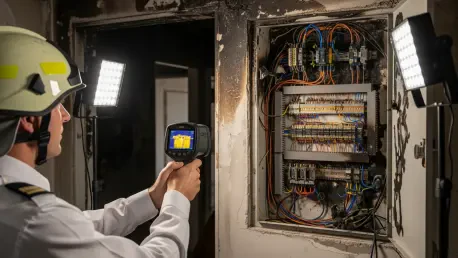
The primary focus of the fire marshal’s investigation currently centers on the electrical distribution panels located within the apartment unit where the blaze originated. Forensic experts are meticulously examining the wiring configurations to determine if a circuit overload or a faulty breaker triggered the initial spark. While the Middleton Cove structure was built less than fifteen years ago, recent audits of similar developments have revealed that improper maintenance of high-load appliances can lead to thermal degradation of copper wiring over time. This degradation often occurs silently behind drywall, where localized overheating creates a carbon path that eventually results in an arc flash. Inspectors are also looking at whether recent upgrades to the building’s digital infrastructure, including the installation of high-speed fiber-optic hubs, inadvertently placed additional strain on the original electrical grid without proper load balancing or updated safety certifications.
Emerging Threats from Lithium-Ion Battery Technology
Beyond traditional electrical failures, investigators are exploring the possibility that a malfunctioning lithium-ion battery in a personal mobility device acted as the primary catalyst. In the current landscape of 2026, the ubiquity of electric scooters and high-capacity portable power stations has introduced new fire risks that older building codes were not designed to mitigate effectively. A thermal runaway event in a single battery cell can reach temperatures exceeding 1,200 degrees Fahrenheit in a matter of seconds, producing a self-sustaining chemical fire that is notoriously difficult for standard residential sprinklers to extinguish. Eyewitness accounts from neighbors mention hearing several muffled pops similar to small explosions shortly before the flames became visible through the window. If confirmed, this would align with the signature characteristics of a catastrophic battery failure, prompting a broader conversation about the storage and charging of heavy-duty battery packs.
Structural Analysis: Integrity and Fire Suppression Performance
Evaluating the Efficacy of Modern Building Materials
The speed at which the fire consumed the upper floors has raised significant questions regarding the specific building materials used during the last renovation phase. Modern construction often relies on engineered wood products and synthetic insulation that, while cost-effective and energy-efficient, can sometimes contribute to a higher fuel load than traditional masonry or heavy timber. Forensic architects are analyzing the facade’s cladding system to see if the air gap between the exterior panels and the main structure created a chimney effect, pulling the flames upward and bypassing internal fire breaks. This phenomenon, known as vertical flame spread, can render even the most sophisticated fire-resistant barriers ineffective if the exterior envelope is compromised. Preliminary findings indicate that the fire-retardant coatings applied to the decorative balconies might have reached their expiration date, losing their ability to inhibit the spread of heat and flame.
Actionable Safety Steps: Lessons and Future Considerations
The apparent failure of the automated sprinkler and alarm systems to suppress the fire necessitated an immediate shift in how local governments approached residential safety protocols. Residents reported that while smoke detectors did eventually activate, the water flow from the overhead sprinklers seemed inadequate to combat the sheer volume of the blaze, leading authorities to recognize that relying on outdated inspection frameworks was no longer sufficient given the integration of high-energy electronics. Moving forward, property managers were advised to implement real-time thermal monitoring in high-risk areas to detect heat signatures before they escalated. The municipal council pushed for the mandatory retrofitting of older high-density buildings with advanced water-mist systems that proved more effective at cooling chemical fires than traditional sprinklers. By mandating more frequent third-party audits of hardware, the city ensured that the hard-learned lessons from this devastating fire led to a resilient environment.