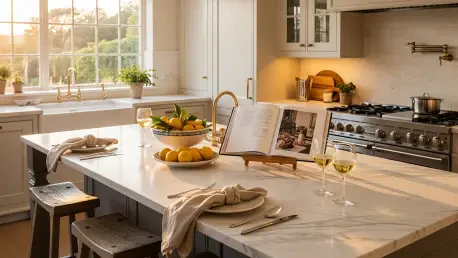

Walk into any room inspired by the cinematic vision of Nancy Meyers, and there is an immediate sense that someone has just stepped out to pour a glass of wine or answer a landline phone. This specific design language transcends mere interior decoration, evolving into a cultural shorthand for a life well-lived where luxury is synonymous with accessibility and emotional warmth. Unlike the sterile minimalism that dominated previous decades, this aesthetic celebrates the “lived-in” look, where high-end finishes coexist with open cookbooks and stacks of well-loved novels. It is a philosophy that prioritizes the comfort of the inhabitant over the admiration of the visitor, creating environments that feel both aspirational and profoundly attainable. By centering the home as a sanctuary of productivity and rest, this movement has redefined modern elegance as something tactile, layered, and deeply personal, proving that the most beautiful homes are those that actually look like they are used every single day.
The Philosophy: Function and Comfort
This philosophy leads directly to a rethink of how physical space serves the inhabitant, emphasizing a deliberate rejection of cold, museum-like environments in favor of spaces that pulse with the rhythm of daily activity. Professional designers now emphasize that a home should be prepared for immediate use, where the floor plan and furniture layout encourage residents and guests to relax rather than feel constrained by formal expectations. This concept of “charming clutter” serves as a visual narrative, suggesting that the inhabitants are creative, busy, and unburdened by the pressure of forced spotlessness. It represents a shift toward a welcoming domestic reality that manages to be sophisticated without being unpretentious. By allowing everyday objects like a stack of mail or a half-knitted sweater to remain visible, the design acknowledges the human presence within the architectural frame. This approach fosters a sense of psychological safety, as the environment becomes supportive.
The kitchen often serves as the quintessential example of this philosophy, acting as a functional engine room filled with visible tools, fresh produce, and accessible glassware. Rather than concealing the mechanics of cooking behind seamless cabinetry or hidden pantries, the Nancy Meyers look celebrates the utility of the space by making everything appear ready for a spontaneous gathering. Large, well-lit islands become the social heart of the house, where the physical environment facilitates lifestyle moments like morning coffee or evening wine with friends. This design choice ensures that the home remains a place for genuine connection, where the architecture serves the social needs of the family. By integrating professional-grade appliances with soft, domestic touches like wicker baskets and ceramic bowls, the kitchen balances industrial efficiency with warmth. This creates a space that is as much about the process of making a meal as it is about the prestige of owning an environment.
Decorating: Character and History
While layout provides the structure for comfort, the soul of the home is defined by the items that fill its shelves, particularly the books that serve as a non-negotiable element of the landscape. Literature is not merely stored away in dedicated libraries or hidden behind cupboard doors; instead, books are integrated into every room as vital sources of color, texture, and intellectual weight. This trend encourages homeowners to treat their living quarters as a physical archive of their own experiences, displaying personal interests and favorite reads to create an authenticity that purely decorative objects cannot replicate. When books are stacked on coffee tables or tucked into bedroom nooks, they signal a life of curiosity and quiet contemplation. This layers the room with a sense of history, suggesting that the space has evolved over time rather than being purchased all at once from a catalog. The presence of physical media adds a human element to the luxury, proving the home’s value.
This focus on personal narrative extends to the careful curation of antiques, travel artifacts, and vintage finds that ground a modern residence in what many call “modern heritage.” While the aesthetic embraces a collection of meaningful items, it requires significant restraint to ensure the home does not descend into disorganization. The objective is “refined layering,” a technique where every piece is displayed with clear intention, allowing the home to communicate the owner’s history and taste without overwhelming the structural lines of the room. By mixing a 19th-century French table with a contemporary linen sofa, the designer creates a visual tension that feels both timeless and current. This approach avoids the trap of thematic decorating, resulting instead in a space that feels curated over decades. Every object tells a story of a trip taken or a discovery made at a local market, ensuring that the interior reflects the unique identity of those who live within its walls.
The Sensory Experience: Materials and Atmospheric Light
Beyond the objects themselves, the physical sensation of the room is dictated by the specific materials used to construct its surfaces, favoring a diverse mix of textures over matching furniture sets. By combining disparate elements like slipcovered sofas, soft wool throws, and natural materials such as weathered stone and reclaimed wood, designers avoid a flat appearance. This variety provides essential visual interest and ensures a tactile experience that is soft and inviting rather than cold and contemporary. The physical sensation of touching a heavy linen curtain or resting on a plush cashmere pillow contributes to the overall sense of well-being that defines cozy luxury. These materials are chosen for their ability to age gracefully, developing a patina that only adds to the charm of the home over time. This commitment to quality and texture ensures that even the most neutral room feels vibrant, as the interplay of light on surfaces creates a dynamic environment.
The successful execution of a Meyers-inspired home depended heavily on the strategic utilization of light and color to set a specific mood. A palette of creamy whites and warm neutrals served as a canvas for layered lighting schemes consisting of lamps and sconces, which avoided the clinical harshness of overhead fixtures. This holistic approach shifted the focus toward how a person felt within their private sanctuary, resulting in a space that was as nurturing and productive as it was beautiful. To maintain this balance in the long term, designers recommended a practice of mindful editing to prevent the charming clutter from becoming overwhelming. Homeowners who invested in high-quality natural materials found that their environments aged gracefully, requiring fewer replacements as the years progressed. Moving forward, the most effective strategy involved the integration of subtle smart-home climate controls to preserve these textures. This ensured that the sanctuary remained peaceful.