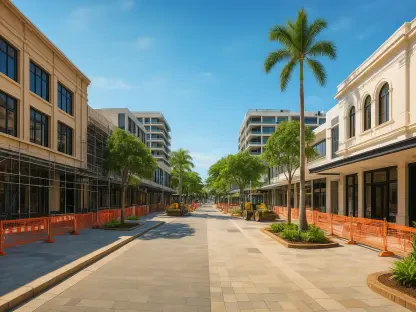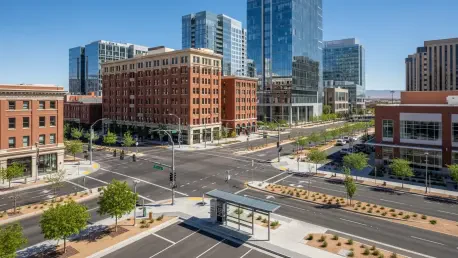

Southern Nevada is currently navigating a sophisticated phase of regional maturation, where the historical focus on rapid suburban sprawl has been replaced by a strategic commitment to densification and the revitalization of existing urban corridors. This shift is not merely a response to land availability but a deliberate move toward a more sustainable and economically resilient model that prioritizes the health of established neighborhoods. Current initiatives across the Las Vegas Valley demonstrate a high level of synchronization between municipal governments and private sector stakeholders, all working toward a shared vision of a modernized infrastructure. By directing resources toward the stabilization of older districts and the integration of smart-city technologies, the region is effectively positioning itself to handle sustained population growth without sacrificing the quality of life for its current residents. This approach marks a significant departure from past development cycles, emphasizing long-term stewardship over short-term gains.
Aligning Civic Leadership with the Construction Industry
The ongoing transformation of the regional landscape is anchored by a continuous and productive dialogue between elected officials and the construction professionals who physically shape the environment. High-level networking events, such as those hosted by prominent industry trade associations, provide a critical forum where the mayors of Las Vegas, North Las Vegas, Henderson, and Boulder City can interface directly with general contractors and engineers. These interactions are vital for ensuring that legislative frameworks and zoning policies remain responsive to the practical challenges of modern building. When civic leaders and builders collaborate, they create a streamlined pathway for infrastructure projects that meet the specific needs of a growing desert metropolis. This synergy allows for the rapid deployment of essential services and the implementation of innovative construction techniques that reduce environmental impact while maximizing the longevity of new public works.
Furthermore, this collaborative atmosphere fosters a specialized economic environment where the construction industry is recognized as a strategic partner in regional prosperity rather than just a vendor of services. By maintaining these open channels, the region ensures that large-scale projects, from transportation hubs to residential complexes, are executed with a comprehensive understanding of both public interest and technical feasibility. This relationship is particularly important as Southern Nevada integrates advanced logistics and renewable energy infrastructure into its traditional economic base. The commitment to such high-level coordination provides a sense of predictability and stability that is attractive to institutional investors, who view the region’s cohesive governance as a safeguard for their capital. Ultimately, this alignment ensures that the physical expansion of the valley is matched by a robust and forward-thinking regulatory environment that supports sustainable growth.
Catalyzing Growth Through Strategic Financial Grants
In North Las Vegas, the municipal approach to urban renewal has shifted toward a highly targeted model of financial incentivization designed to breathe new life into aging commercial and residential zones. The local redevelopment agency has pioneered grant programs that specifically address the financial barriers property owners face when attempting to modernize older structures. By offering substantial reimbursements for exterior improvements, such as structural repairs, window replacements, and the installation of energy-efficient lighting, the city is effectively lowering the cost of entry for local investment. These programs are strategically deployed in designated tax districts where the potential for revitalization is highest, ensuring that every dollar of public funding acts as a catalyst for private spending. This methodology moves beyond simple beautification, focusing instead on the functional integrity and marketability of the city’s established real estate assets.
The broader implications of these financial incentives are seen in the stabilization of property values and the preservation of diverse housing options within the urban core. When business owners and residents are empowered to refresh their properties, it creates a positive “halo effect” that encourages neighboring owners to follow suit, leading to a collective improvement in the neighborhood’s overall economic health. This strategy is a key component of the region’s pivot toward “redevelopment” as a primary growth engine, recognizing that a vibrant city requires a healthy heart, not just a growing perimeter. By focusing on the existing built environment, North Las Vegas is preventing the cycles of blight that often plague rapidly expanding cities. This proactive stance ensures that as the region grows, its older communities remain competitive and attractive to a new generation of residents who value the character and convenience of established urban districts.
Enhancing Public Spaces Through Corporate Stewardship
Corporate social responsibility has evolved into a vital pillar of community maintenance across the valley, with major utility companies and local businesses taking a hands-on approach to the preservation of public assets. Through structured volunteer programs, thousands of employee hours are dedicated annually to the restoration of local parks, involving everything from the removal of graffiti to the repair of essential recreational equipment. These initiatives bridge the gap between municipal budget constraints and the rising demand for high-quality public spaces in a growing urban environment. By partnering with non-profit organizations, these corporate entities ensure that their efforts are directed toward the areas with the greatest need, fostering a sense of shared ownership and pride in the community’s shared resources. This model of stewardship demonstrates that the health of the city’s green spaces is a collective responsibility that benefits the entire regional ecosystem.
Complementing these corporate efforts is a long-standing municipal commitment to urban forestry and environmental sustainability, particularly in cities like Henderson. For over three decades, the region has maintained a rigorous standard for tree canopy management, recognizing that a robust urban forest is essential for mitigating the heat island effect and improving air quality. These sustained efforts are supported by partnerships with private developers who integrate significant green space and native landscaping into new residential projects. This integrated approach to environmental health ensures that the desert environment is respected and enhanced rather than merely occupied. By prioritizing the health of the urban canopy and the cleanliness of public parks, Southern Nevada is creating a more livable and resilient metropolitan area. This focus on “soft infrastructure” is a critical component of the region’s broader strategy to attract and retain a workforce that increasingly prioritizes environmental quality of life.
Institutional Investment in the Senior Housing Market
The Southern Nevada real estate market is currently experiencing a notable influx of institutional capital, specifically within the sector of high-end senior living and healthcare-integrated residential assets. Major transactions involving hundreds of units highlight a significant trend where institutional investors are seeking properties that offer a blend of luxury residential amenities and proximity to world-class medical facilities. These developments are often situated adjacent to major hospital campuses, providing a seamless continuum of care for an aging population that demands both independence and security. The branding of these facilities often reflects a “lifestyle” model, featuring theaters, gourmet bistros, and fitness centers that rival luxury resorts. This shift indicates a sophisticated understanding of demographic trends, as investors capitalize on the growing demand for specialized housing that caters to the specific health and social needs of the senior community.
This institutional confidence is further bolstered by the strong economic fundamentals of the surrounding areas, which often feature high household incomes and stable property values. The strategic acquisition and rebranding of these senior living assets demonstrate a long-term commitment to the region’s healthcare infrastructure, viewing it as a cornerstone of the broader real estate market. As the population of Southern Nevada matures, the demand for these types of high-quality, amenity-driven facilities is expected to remain robust, providing a reliable hedge against market volatility. This sector’s growth is a clear indicator of the region’s overall maturity, as it successfully attracts the type of large-scale investment typically reserved for the nation’s most established metropolitan areas. By integrating residential living with specialized medical care, the region is building a resilient real estate portfolio that addresses the complex needs of its diverse and evolving population.
Future Strategies for Regional Resilience
The trajectory of Southern Nevada’s development points toward a future where the distinction between public service and private enterprise becomes increasingly blurred in favor of a unified regional strategy. To maintain the momentum of the current revitalization efforts, the focus should now shift toward the integration of multi-modal transportation networks that connect the newly refurbished urban cores with the expanding peripheral suburbs. Developing a more robust transit infrastructure will be essential for reducing traffic congestion and ensuring that the economic benefits of urban renewal are accessible to all residents across the valley. Furthermore, there is a growing opportunity to leverage the region’s leadership in renewable energy to power the modernized infrastructure, creating a truly “green” urban environment that serves as a global example of desert sustainability.
Moving forward, the region must also prioritize the expansion of digital infrastructure to support the increasing demand for smart-city technologies and remote work capabilities. By ensuring that every neighborhood—both old and new—has access to high-speed connectivity, the municipal governments can further bridge the economic divide and foster a more inclusive environment for innovation. The success of the current grant programs and corporate volunteerism serves as a solid foundation, but the next phase of growth will require an even deeper commitment to data-driven urban planning. As Southern Nevada continues to evolve, the primary goal should remain the creation of a balanced ecosystem where institutional stability, environmental health, and economic opportunity are inextricably linked. This proactive and collaborative approach was the driving force behind recent successes and will remain the key to navigating the complexities of the regional landscape in the coming years.