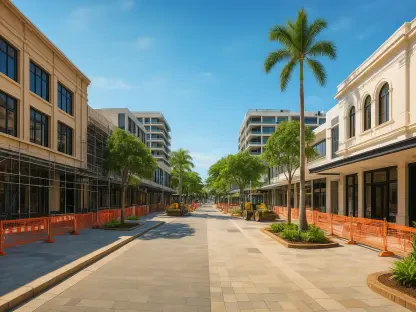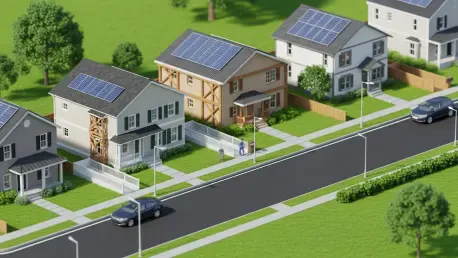

The quiet structural integrity of a neighborhood often remains invisible to the casual observer until a major storm or unforeseen crisis tests the limits of local infrastructure and building standards. In Coon Rapids, this hidden layer of protection is being brought to the forefront through a dedicated partnership with the International Code Council as part of the Building Safety Month initiative. This movement, centered on the theme of being built to last, emphasizes that modern construction regulations are not merely bureaucratic hurdles but are instead essential safeguards for public health and well-being. By aligning municipal efforts with global safety benchmarks, the city is actively bridging the gap between complex engineering requirements and the daily lives of its residents. The goal is to ensure that every home and workplace provides a stable environment that can withstand both time and the elements. This proactive stance transforms perceptions, fostering a deeper appreciation for the regulations that keep the local community secure and functional regardless of external pressures.
Professional Oversight and Residential Stewardship
Expert Management of Construction Quality
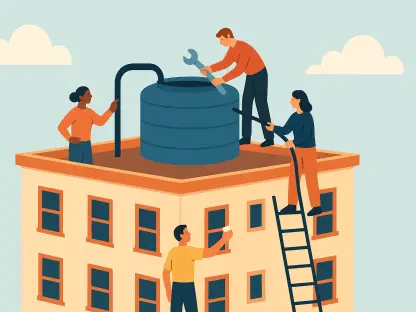
Building a truly resilient city necessitates the expertise of specialized professionals, including municipal inspectors, architects, and structural engineers who serve as the primary guardians of the built environment. These individuals act as critical gatekeepers, meticulously reviewing blueprints and technical specifications to identify potential vulnerabilities long before a single shovel hits the ground. During the construction phase, rigorous on-site inspections verify that contractors adhere to the highest standards of workmanship and material quality, ensuring that everything from the depth of a foundation to the complexity of a commercial HVAC system meets strict safety benchmarks. This level of professional scrutiny effectively prevents future catastrophes by addressing structural weaknesses, fire hazards, and electrical flaws at their source. By maintaining such high expectations, the city provides residents with the peace of mind that their physical environment is engineered for safety.
In addition to technical oversight, these professionals provide an invaluable educational resource for the local construction industry by staying updated on the latest amendments to the International Building Code. Their role extends beyond simple enforcement; they act as consultants who help developers and builders navigate the complexities of modern engineering requirements to achieve optimal safety outcomes. This ongoing dialogue between the public sector and private contractors ensures that new projects are not only compliant but are also built using the most durable and efficient methods available today. By fostering a collaborative environment, the city reduces the likelihood of costly errors or delays that can occur when safety standards are misunderstood. This dedication to professional excellence creates a foundation of trust, as residents know that the buildings they occupy have been vetted by experts who prioritize human life and property protection as their top goals.
The Power of Informed Homeownership
While municipal oversight provides the framework for safety, the ultimate strength of a community also depends on the conscious actions and stewardship of individual property owners. The city’s current outreach programs emphasize that residents are active partners in maintaining local resilience by following permit requirements and performing regular system checks. Simple yet vital habits, such as testing smoke and carbon monoxide detectors, clearing debris from emergency exits, and ensuring that electrical panels are not overloaded, transform abstract building codes into practical life-saving measures. When homeowners understand the “why” behind permit regulations for decks or additions, they are more likely to invest in professional-grade work that preserves the value and safety of their property. This collaborative culture of preparedness ensures that safety is not just a one-time event but a continuous commitment shared by everyone who lives and works in the local neighborhood area.
Educational workshops and community forums further support this culture by providing residents with actionable advice on how to identify potential hazards within their own homes. These initiatives empower people to take charge of their immediate environment, encouraging them to maintain clear paths for emergency egress and to secure heavy furniture that could pose a risk during unforeseen events. By demystifying the permitting process, the city encourages homeowners to seek official guidance rather than bypassing regulations for the sake of convenience or cost savings. This transparency builds a stronger relationship between the local government and its citizens, as the focus shifts from regulation to mutual protection and community benefit. As more residents adopt these safety-conscious behaviors, the collective resilience of the city grows, making it much better prepared to handle minor accidents and major emergencies alike without experiencing devastating loss or failure.
Environmental Adaptation and Inclusive Infrastructure
Mitigating Risks From Extreme Weather Events
Minnesota’s varied and often harsh climate presents a unique set of challenges that demand specialized construction methods and materials to ensure long-term structural survivability. Coon Rapids addresses these regional risks by advocating for disaster-resistant standards that account for heavy snow accumulation, high-velocity winds, and the threat of severe convective storms. Modern building codes in the region now frequently require the use of impact-resistant roofing materials and reinforced framing techniques that provide a higher degree of protection during tornadoes or straight-line wind events. Furthermore, flood-resistant designs and improved site drainage requirements are integrated into new projects to minimize the potential for water damage during heavy rainfall. By investing in these resilient standards today, the city significantly reduces the long-term financial and human costs associated with disaster recovery and rebuilding. This forward-thinking approach ensures local infrastructure stays steadfast.
Beyond individual structures, the city also prioritizes the resilience of critical public infrastructure, such as bridges, utility networks, and emergency shelters, to maintain essential services during weather extremes. Engineering teams focus on the implementation of redundant systems and hardened designs that can continue to function even when the surrounding environment is compromised by severe weather. This strategy includes the upgrading of older facilities to meet contemporary standards, ensuring that the legacy of the city’s built environment is not a liability during a crisis. By utilizing advanced topographical mapping and weather modeling, planners can identify high-risk areas and implement targeted mitigation strategies that protect both people and property. This data-driven approach allows the community to allocate resources effectively, focusing on the most vulnerable points in the infrastructure. The city is better positioned to withstand the unpredictable nature of climate.
Strategic Planning: Universal Design and Actionable Steps
True community resilience is not solely defined by the structural strength of buildings but also by the degree to which every member of the population can navigate their environment safely and independently. By adopting universal design principles, Coon Rapids ensures that public spaces and residential developments are accessible to individuals with diverse needs, including those with physical disabilities, the elderly, and families with young children. Features such as step-free entrances, wider doorways, and clear tactile signage are essential safety tools that facilitate efficient movement and evacuation during emergencies. When a building is designed with the most vulnerable users in mind, it becomes inherently safer for everyone, as obstacles to movement are removed and navigation becomes more intuitive. This inclusive approach to urban planning ensures that no one is left behind during a crisis and all residents can participate in the local life with a sense of security and belonging.
The evolution of local safety initiatives demonstrated that a multifaceted approach to construction and maintenance was the most effective way to protect a growing population. City officials and community leaders recognized that the path forward required a sustained commitment to education, where residents were provided with the resources needed to conduct their own home safety audits and navigate the permitting process with ease. It was also determined that regular updates to local ordinances must continue to reflect the latest advancements in materials science to stay ahead of emerging risks. To maintain this momentum, stakeholders prioritized the creation of a centralized digital platform for permit tracking and safety documentation, making it simpler for the public to access vital information. By fostering a culture where safety was viewed as a shared responsibility, the community established a foundation for long-term growth. These proactive steps ensured the city remained a secure environment.