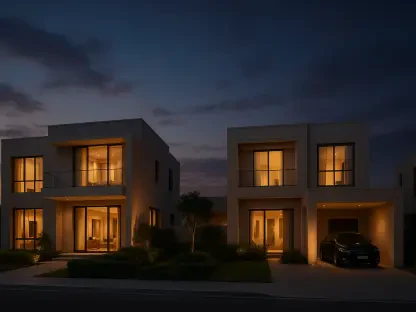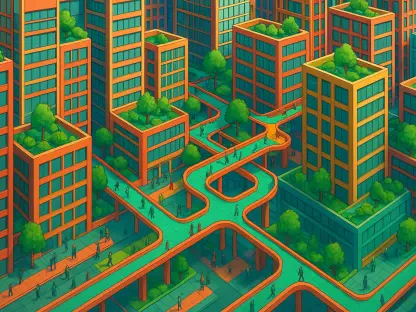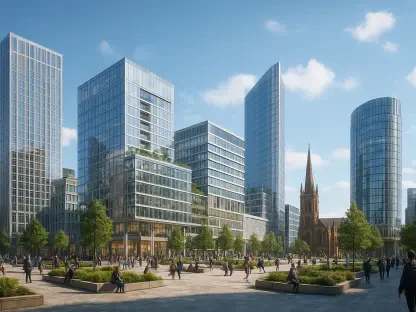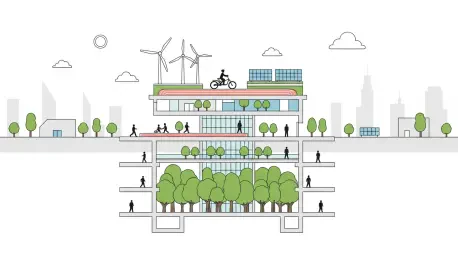

The rapid acceleration of global urbanization has forced a fundamental rethink of how metropolitan spaces can accommodate millions while simultaneously respecting the delicate ecological balance of the planet. New World Group has positioned itself as a pioneer by moving beyond traditional real estate development toward a model that integrates environmental stewardship with high-density living. Through the New World Sustainability Vision 2030, the organization established a rigorous framework centered on the pillars of Green, Wellness, Smart, and Caring. This strategy was not merely a reaction to regulatory shifts but a proactive effort to future-proof assets against the escalating risks of climate change. By prioritizing carbon intensity reduction and science-based targets, the group demonstrated how a private entity could lead the transition toward a net-zero economy. The focus on “The Artisanal Movement” further bridged the gap between modern architecture and cultural heritage, ensuring that urban expansion did not come at the cost of social identity. This comprehensive approach redefined the industry standard by proving that luxury and sustainability are not mutually exclusive concepts.
Sustainable Architecture: The Integration of Green Infrastructure
A primary example of this shift is the K11 ATELIER King’s Road project, which emerged as a blueprint for the next generation of office spaces. This development was among the first globally to achieve triple platinum certifications from LEED, WELL, and BEAM Plus, reflecting a commitment to both environmental performance and occupant health. The building utilized extensive photovoltaic systems to harness solar energy, significantly reducing reliance on the traditional power grid. Furthermore, the incorporation of vertical greenery and a rooftop jogging track integrated nature into the daily work environment, mitigating the urban heat island effect while improving air quality. Such initiatives proved that high-rise structures could function as living organisms that contribute positively to their surroundings. By investing in these capital-intensive green technologies, the organization secured long-term operational savings and attracted a new demographic of corporate tenants who prioritized environmental, social, and governance (ESG) criteria.
Beyond physical infrastructure, the group leveraged advanced digital twins and proprietary PropTech solutions to optimize the metabolic functions of their buildings. These systems allowed for real-time monitoring of energy consumption, water usage, and indoor air pollutants, enabling predictive maintenance that prevented resource waste before it occurred. By deploying artificial intelligence to analyze data across a vast portfolio, the group identified patterns that led to a substantial reduction in carbon emissions across the entire life cycle of their properties. This data-driven strategy extended to the supply chain, where the organization mandated that contractors and suppliers adhere to strict sustainability guidelines. The result was a cascading effect of green practices that influenced the broader construction industry. These technological advancements underscored the necessity of a unified digital platform in managing complex urban ecosystems. Moving forward, the focus remained on refining these algorithms to adapt to the increasingly volatile weather patterns caused by the global climate crisis.
Urban Ecosystems: Cultivating Social Connectivity and Resilience
Sustainable living encompasses more than just low-carbon materials; it requires the creation of social structures that foster psychological well-being and social equity. The “Caring” and “Wellness” pillars of the organization’s vision addressed this by dedicating significant space to cultural retail and community-oriented programs. The Victoria Dockside redevelopment in Hong Kong transformed a former industrial site into a world-class art and design district, proving that urban renewal could revitalize local economies while preserving public access to the waterfront. This project emphasized the importance of high-quality public realms in dense cities, where residents often lack proximity to nature or communal gathering spots. By blending commercial interests with cultural philanthropy, the group created a resilient ecosystem that supported local artists and small businesses. This model of “cultural commerce” served as a template for how private developers could contribute to the social fabric of a city. It highlighted that the true value of a development lies in its ability to support the diverse needs of its inhabitants.
Stakeholders recognized that the success of these initiatives required a radical departure from short-term profit motives in favor of long-term value creation. The implementation of circular economy principles across all residential and commercial projects effectively reduced landfill waste and promoted the repurposing of materials. To sustain this momentum, it became essential for urban planners and private developers to form deeper partnerships focused on infrastructure resilience and renewable energy sharing. Developers adopted more transparent reporting standards, which increased accountability and encouraged industry-wide benchmarking. Investment in social impact bonds and green financing emerged as a critical pathway for funding large-scale ecological restorations within urban cores. These actions provided a clear roadmap for other metropolitan leaders to follow, emphasizing that the integration of nature, technology, and culture was the only viable path forward. The focus shifted toward ensuring that these sustainable benefits were distributed equitably across all socio-economic layers of the urban population.