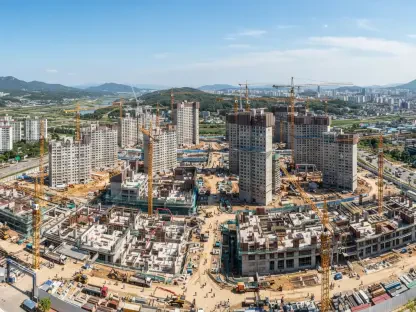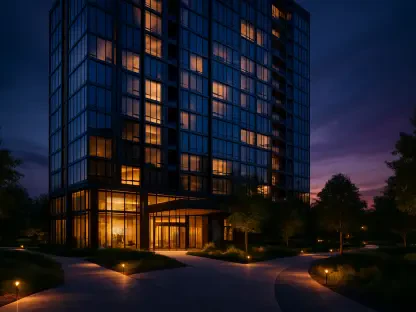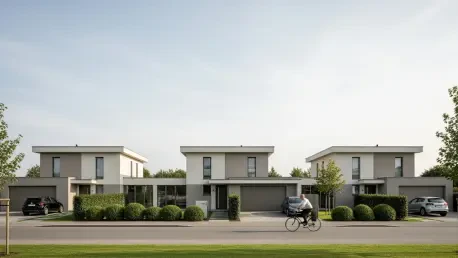

The City of Peoria has officially set its sights on a significant urban renewal project that aims to revitalize the underutilized Exposition Gardens property into a thriving residential district. By launching a Request for Qualifications, the municipal government is seeking experienced developers capable of constructing approximately 200 market-rate homes. This ambitious undertaking is not merely about increasing housing inventory; it represents a targeted effort to rectify historical imbalances in the local real estate market. City officials have identified a pressing need for homes that cater to the middle-income demographic, often referred to as the “missing middle,” where current supply fails to meet demand. The transformation of this site is expected to stimulate local economic activity while providing a modern living space that integrates seamlessly with the surrounding environment. As the city moves forward, the focus remains on selecting a partner who can balance the requirements of high-density housing with the aesthetic and functional needs of the existing community landscape.
Addressing the Evolving Housing Crisis with Strategic Planning
Bridging the Gap: Middle-Income Homebuyers
The primary motivation behind the redevelopment of the Exposition Gardens site stems from a critical shortage of housing priced between $250,000 and $300,000. In the current 2026 market, many working professionals and young families find themselves priced out of luxury developments while simultaneously earning too much to qualify for traditional subsidized housing programs. By prioritizing market-rate homes within this specific price bracket, Peoria aims to stabilize its workforce and encourage long-term residency. This strategic focus on the “missing middle” ensures that the city remains an attractive destination for those who contribute to the local economy but require accessible entry points into homeownership. The project serves as a blueprint for how mid-sized cities can utilize municipal land to solve private-market failures. By controlling the initial development criteria, the city can dictate a vision that prioritizes density and affordability without compromising the quality of life for future residents.
Redefining the purpose of the Exposition Gardens property marks a significant shift in the city’s approach to land use and municipal asset management. For decades, the site served as a venue for regional events, but the changing needs of the urban core have necessitated a more permanent residential solution. Transforming this large-scale plot into a neighborhood of 200 homes requires a meticulous understanding of modern urban density requirements and residential zoning. City leaders have emphasized that the transition must be handled with sensitivity toward the historical significance of the area while looking toward a more sustainable future. The move to repurpose such a substantial piece of land highlights a growing trend among local governments to reclaim underperforming public spaces for high-impact residential use. This initiative is expected to enhance the tax base and provide a steady influx of new residents who will support local businesses and public services. The success of this transition hinges on finding a developer who respects the site’s heritage.
Collaborative Governance: Economic Growth
The administrative timeline for this residential initiative is structured to ensure thorough vetting and high-quality outcomes rather than rushed results. Following the closure of the application window in June, the city will enter a rigorous evaluation phase to review the qualifications and financial capabilities of all interested parties. This period of negotiation and review is crucial for refining the project’s scope and ensuring that the selected developer can meet the city’s strict criteria for the 200-unit scale. By late summer or early fall of 2026, a finalized proposal is expected to be presented to the City Council for official approval and authorization. This structured approach allows for careful consideration of how the development will impact municipal resources and infrastructure. It also provides the necessary time to finalize the sale of the land, which is a prerequisite for any physical work to begin. City officials have maintained a professional and measured pace to ensure that every legal and financial detail is addressed.
Establishing a firm set of criteria for the development ensures that the project aligns with the long-term fiscal goals of the municipality. Developers are required to purchase the land outright, shifting the responsibility for long-term maintenance and construction costs away from the public sector and into the private market. This model not only generates immediate revenue for the city through the land sale but also guarantees that the developer has a significant financial stake in the success of the subdivision. Furthermore, the scale of 200 units provides the necessary density to make the project economically viable while supporting the expansion of local utility networks and public transit. The city remains open to dialogue regarding the specific layout and architectural vision, provided the core requirement for market-rate housing is met. This flexibility allows for innovative design solutions that can adapt to the unique topography of the Expo Gardens site. By balancing firm requirements with creative freedom, the city seeks to attract top-tier talent in the real estate industry.
Integrating Community Values into Modern Architecture
Fostering Vibrant Neighborhoods: Mixed-Use Designs
One of the most compelling aspects of the proposed development is the potential for mixed-use integration that goes beyond simple residential blocks. Council leadership has been a vocal proponent of including commercial elements, such as boutique coffee shops or local ice cream stands, within the commercially zoned portions of the property. This vision aims to create a walkable environment where residents can access daily amenities without relying heavily on vehicular transportation. Incorporating these small-scale retail spaces fosters a sense of community and provides a social anchor for the new neighborhood. Such design choices are increasingly favored as urban planners prioritize human-centric layouts that encourage social interaction and local entrepreneurship. By blending residential units with light commercial use, the developer can create a vibrant, multi-functional space that appeals to a wide variety of demographics. This approach not only increases the property value but also ensures that the new development becomes a destination for visitors.
Transparency and community engagement remain central pillars of the city’s selection process for the Expo Gardens redevelopment project. Council leadership has clearly articulated that the ideal developer must be willing to host town hall meetings and maintain an open dialogue with existing neighbors throughout the planning phases. This collaborative model is designed to mitigate concerns regarding traffic, construction noise, and architectural cohesion with the current neighborhood fabric. By involving local stakeholders early in the process, the city ensures that the development reflects the values and needs of the people it serves. This level of engagement helps to build trust and long-term support for the project, which is essential for its eventual completion and integration. Developers are encouraged to present creative solutions that address community feedback while maintaining the project’s financial and logistical viability. The goal is to establish a partnership where the city, the developer, and the residents work in tandem to create a harmonious addition.
Navigating the Complexities: Infrastructure Development
The technical requirements for preparing the Expo Gardens site involve a comprehensive overhaul of the existing infrastructure to support a high-density residential population. Because the property was previously utilized for seasonal events, the current utility systems are not equipped to handle the demands of 200 permanent households. Developers must account for the installation of new water lines, sewage systems, and electrical grids that meet modern safety and efficiency standards. This process, known as platting the subdivision, involves dividing the land into individual lots and ensuring that each has adequate access to public rights-of-way. The complexity of these tasks means that a significant amount of time must be dedicated to site preparation before any vertical construction can take place. City engineers are expected to work closely with the chosen development team to ensure that all infrastructure improvements are integrated with the broader municipal network. This foundational work is critical for the long-term resilience and functionality of the new neighborhood.
Looking toward the actual construction phase, the city estimated that the physical transformation of the Expo Gardens site would require at least two years of preparation. This period involved complex tasks such as platting the new subdivision and installing the essential underground infrastructure required to support a 200-home community. Leaders recognized that while the need for housing was immediate, the long-term stability of the neighborhood depended on a foundation of sound engineering and thoughtful urban planning. Developers were encouraged to begin preliminary site assessments to identify potential logistical hurdles early in the process. Moving forward, the city prioritized regular infrastructure updates and maintained a clear channel for developer feedback to streamline the permitting process. By focusing on these foundational elements, Peoria ensured that the eventual build-out from 2026 to 2028 would proceed without significant delays. The project ultimately served as a vital case study for future municipal land redevelopments, demonstrating the importance of balancing speed with meticulous site preparation.