
The sudden and controlled demolition of a multi-story residential masterpiece in the affluent neighborhood of Ikoyi serves as a stark reminder of the non-negotiable nature of structural integrity in modern urban expansion projects. This high-value property, which once symbolized the pinnacle of luxury real estate, became the center of a national safety conversation after engineers detected significant sinking and structural distress. Local authorities acted swiftly to prevent a catastrophic collapse similar to past tragedies that have marred the city’s skyline. The demolition process was not merely a physical removal of concrete and steel but a decisive statement on the enforcement of building codes. In an environment where the demand for premium housing often outpaces the rigor of geotechnical scrutiny, the intervention highlighted the precarious balance between rapid development and the fundamental laws of physics. Authorities dismantled the structure before it reached a point of failure.
The Challenge: Addressing Structural Failures in High-Rise Developments
Part 1: The Geotechnical Reality of Coastal Construction
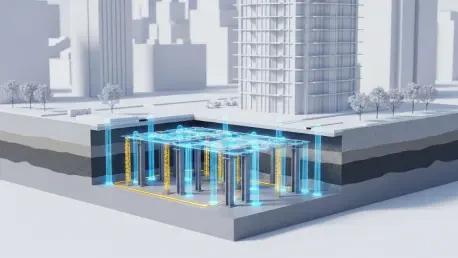
Coastal cities like Lagos present unique challenges for vertical architecture, primarily due to the complex soil compositions found in reclaimed land and marshy terrains. The Ikoyi project faced specific geological hurdles that required specialized piling and foundation techniques, which investigators later discovered were either improperly implemented or fundamentally flawed from the design phase. When the subterranean support structures failed to distribute the load effectively, the resulting differential settlement led to visible cracks and a noticeable lean in the edifice. This failure underscores the critical importance of exhaustive soil testing and the use of high-density pile foundations that can withstand the shifting nature of the local water table. Engineers emphasize that skipping these initial investigative steps to save costs or accelerate timelines leads to disastrous consequences that outweigh any temporary gain.
Part 2: Regulatory Enforcement and Accountability Measures
In response to the sinking structure, the Lagos State Building Control Agency implemented more stringent oversight protocols to ensure that all ongoing and future high-rise projects adhere to the highest international safety standards. This shift toward proactive monitoring involves unannounced site inspections and the verification of all structural materials used during the construction process. By holding developers and lead engineers personally accountable for deviations from approved plans, the government aims to restore public confidence in the local real estate sector. The legal ramifications for the parties involved in the Ikoyi demolition include potential bans from future projects and significant fines, serving as a deterrent against negligence. This move signals a departure from historical leniency, reflecting a new era of governance where the safety of residents is prioritized over the completion of prestigious landmarks.
The Future: Strengthening Urban Resilience and Standards
Part 3: Reassessing Investment Strategies and Risk Management
The destruction of a luxury asset worth millions of dollars has sent ripples through the investment community, forcing a reevaluation of how risk is assessed in high-stakes property development. Investors are now moving beyond the superficial appeal of architectural renderings and focusing more heavily on the technical reputation of construction firms and the transparency of their engineering reports. This shift in market behavior suggests that long-term value is increasingly being tied to the quality of the hidden components of a building, such as foundation depth and seismic resilience. Financial institutions have also begun requiring independent structural audits as a prerequisite for funding large-scale projects in coastal areas, adding another layer of security for stakeholders. As the market matures, the premium once placed on location alone is being shared with a demand for structural reliability and adherence to sustainable practices.
Part 4: Strategic Outcomes and Engineering Excellence
The demolition of the sinking Ikoyi tower established a new benchmark for urban safety and regulatory vigilance in one of the region’s most dynamic economic hubs. Authorities successfully transitioned from a reactive stance to a proactive strategy that utilized rigorous technical audits and transparent reporting mechanisms to safeguard the public interest. Industry leaders recognized that the long-term viability of the luxury real estate market depended entirely on the uncompromising enforcement of engineering standards and the adoption of cutting-edge geotechnical technologies. Professional bodies implemented mandatory training sessions for structural engineers to ensure they remained current with global best practices for coastal high-rise construction. Developers began incorporating comprehensive risk-mitigation strategies into their initial planning phases, prioritizing structural longevity as a core selling point for buyers.