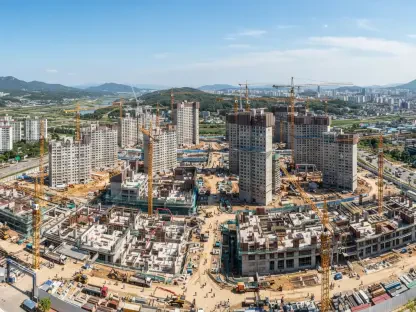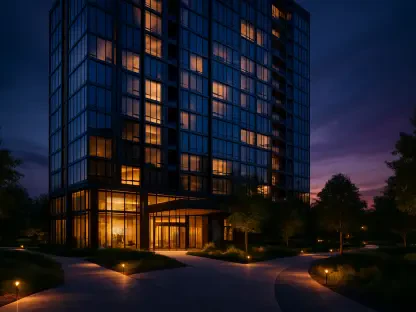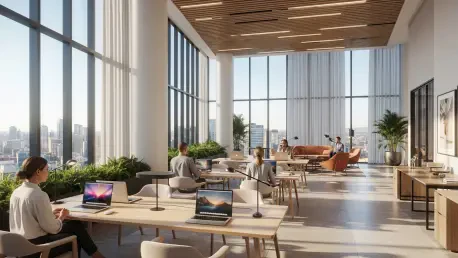

The skyline of Birmingham is undergoing a transformation that is as much about social engineering as it is about architectural prowess, with glass-and-steel towers rising to redefine the city’s residential identity. These structures are not the speculative apartment blocks of the past but are carefully calibrated environments known as Build-to-Rent (BTR) developments. Driven by a surge in demand for flexible urban living, these complexes offer more than just a roof; they provide a lifestyle package complete with concierges, communal workspaces, and social events. For many residents, the traditional path of saving for a mortgage has been replaced by a “private rental purgatory” where the allure of luxury amenities compensates for the vanishing dream of property ownership. This shift represents a departure from the mid-twentieth-century ideal of the suburban semi-detached house, signaling a new era where living space is treated as a high-end service rather than a tangible long-term asset for the average citizen.
The Institutional and Strategic Foundation of BTR
Policy Origins: The Financialization of Housing
The emergence of this massive rental sector was not an accidental byproduct of market forces but a deliberate strategic shift initiated years ago to stabilize the housing market. Since the landmark 2012 Montague Review, government policy has actively courted global capital by easing planning restrictions and offering public land to institutional investors. This policy framework transformed residential buildings from local community hubs into a reliable financialized asset class, attractive to international pension funds and private equity firms seeking long-term yields. By 2026, the transition from fragmented private landlords to massive corporate entities has become the dominant narrative in urban development. These institutional players bring a level of professional management and financial stability that smaller landlords cannot match, yet they also decouple the value of housing from local economic realities. The result is a market where the price of a home is increasingly dictated by the requirements of global portfolios.
Market Leadership: Birmingham as a National Benchmark
Birmingham has carved out a unique position as the primary hub for Build-to-Rent developments outside of London, outpacing other major regional cities in both scale and speed of delivery. This rapid expansion is fueled by a younger-than-average population and a robust influx of professionals who prioritize proximity to high-tech employment hubs over traditional suburban commutes. As of 2026, dozens of massive developments are operational, with thousands more units progressing through the planning and construction stages to meet the insatiable demand for high-quality central living. This growth indicates a fundamental restructuring of the city’s core into a high-density, service-oriented environment that caters to a highly mobile workforce. The strategic focus on these developments allows the city to densify rapidly, utilizing brownfield sites and neglected urban areas to create vibrant, active districts. However, this focus on the “managed experience” raises questions about building solely for a transient class of high-earning professionals.
Social Implications and the Future of Urban Housing
Demographic Expansion: Beyond the Young Professional
While the initial marketing for Build-to-Rent properties targeted the quintessential young urban professional, the resident profile has shifted dramatically as the model matures. In 2026, these developments are increasingly populated by a diverse cross-section of society, including families with young children, mid-career professionals, and even retirees looking to downsize. This demographic broadening is less a result of a sudden cultural preference for renting and more a reflection of the severe lack of affordable, high-quality alternatives in the traditional purchasing market. For many, the managed rental lifestyle offers a predictability and safety that the volatile private rental sector lacks, providing long-term tenancies that were previously rare. However, the normalization of “rentership” across all life stages suggests that the social fabric is being permanently altered. The ability to build equity through a home has historically been a primary driver of wealth accumulation, and its replacement with a high-cost rental model may widen the economic gap.
Sustainable Strategies: Path to Urban Resilience
Addressing the challenges of a permanent rentership society required a multifaceted approach that balanced corporate investment with social responsibility. City leaders moved toward implementing stricter requirements for affordable housing quotas within even the most luxury-focused developments to prevent total economic homogeneity. They also encouraged developers to incorporate multi-generational design features that supported long-term residency rather than transient stays. Furthermore, the establishment of a localized regulatory body helped oversee the management practices of institutional landlords, ensuring that the high standards promised at the marketing stage were maintained throughout the building’s lifecycle. By viewing the Build-to-Rent sector as one component of a broader housing strategy rather than a singular fix, the city began to bridge the gap between high-end rentals and accessible homeownership. These actions fostered a more resilient urban environment where housing served as a foundation for community growth rather than just a vehicle for international capital.