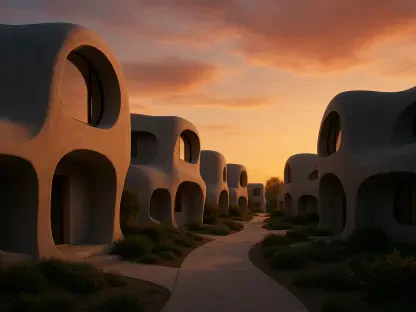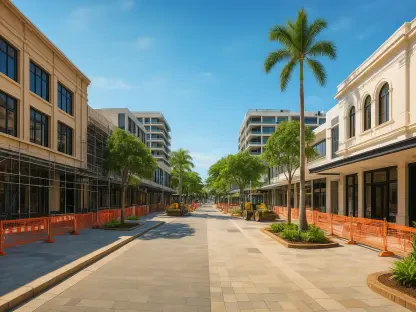

The lush, pine-scented ridges of Baguio City are currently navigating a profound structural transformation as the local government implements a revolutionary Green Building Code aimed at arresting decades of environmental degradation. This legislative maneuver represents a departure from conventional urban planning by tethering all future construction permits directly to the specific ecological carrying capacity of the mountain terrain. For years, the city struggled with unregulated expansion that threatened its status as a premier high-altitude sanctuary, but this new mandate introduces a sophisticated regulatory layer that prioritizes the health of the local ecosystem over sheer real estate volume. By enforcing these rigorous standards, the city administration seeks to preserve the fragile infrastructure while ensuring that the famous cool climate and scenic vistas are not lost to the relentless march of concrete. This policy effectively shifts the development paradigm from quantity-driven growth to a quality-focused, resilient urban model.
Mandating Nature and Resource Efficiency: Integrating Vegetated Systems
At the heart of this urban redesign is the mandatory inclusion of expanded green infrastructure within every new development project across the city. Property developers are now legally obligated to incorporate vegetated systems, such as expansive green roofs and intricate vertical gardens, to combat the rising urban heat island effect that has begun to plague the traditionally temperate city center. These living installations serve a dual purpose; they provide essential insulation to buildings while simultaneously acting as natural sponges for stormwater during the heavy monsoon seasons typical of the Cordillera region. By integrating flora directly into the building envelopes, the city is attempting to restore the natural carbon sequestration capacity that was previously lost to urbanization. This requirement ensures that even high-density structures contribute to the local biodiversity, creating a more cohesive relationship between the built environment and the surrounding pine forests.
While the integration of living flora addresses the external and atmospheric impacts of construction, the internal mechanics of these buildings are subject to equally rigorous performance standards. Large-scale developments must now adhere to strict efficiency mandates that emphasize natural ventilation and high-performance insulation to minimize the need for mechanical climate control. The code specifically encourages the integration of renewable energy sources, such as solar arrays, which are becoming increasingly viable in the high-altitude environment. To address the chronic water shortages that have historically challenged the area, the new code institutes mandatory rainwater harvesting and greywater recycling systems. Every new blueprint must now include detailed plans for internal water management, proving that the project can maintain a near-neutral impact on the municipal supply. By making water neutrality a prerequisite for growth, the city effectively protects the rights of current residents.
Economic Mechanisms and Future Governance: Balancing Growth and Protection
An innovative component of this regulatory framework is the introduction of the Green Transferable Floor Area Rights system, a market-based mechanism designed to balance economic incentives with environmental limits. Developers who go beyond the minimum sustainability requirements can earn tradable rights that allow for increased density in specifically designated urban zones that possess the infrastructure to handle it. Conversely, those wishing to build in more sensitive areas must purchase these rights, effectively paying a premium for the privilege of high-density construction in a fragile environment. This system encourages a more logical distribution of the population, steering intense development away from steep slopes and watershed areas toward the more stable urban core. It creates a financial incentive for sustainable design, as the market value of these rights provides a tangible return on investment for eco-friendly features that previously seemed too costly for some.
Building on these market-driven solutions, the city’s broader governance structure ensured that these economic incentives led to tangible, long-term environmental outcomes. Architects and engineers began prioritizing low-impact materials and modular construction techniques that minimized site disturbance on the notoriously steep terrain. Stakeholders recognized that the preservation of the unique aesthetic and ecological identity of the region was inextricably linked to its long-term economic viability. Moving forward, the city took decisive steps to integrate smart monitoring systems that tracked real-time energy usage and water conservation across the new developments. This data-driven approach ensured that the net-zero emission target by 2043 remained a feasible reality rather than a distant aspiration. The transition ultimately established a new standard for highland urbanism that prioritized collective environmental security over short-term individual gain.