
Homeowners today are increasingly vulnerable to sophisticated fraudulent schemes that target their most valuable asset, transforming dream renovations into expensive legal and structural nightmares. While the construction industry remains a cornerstone of economic growth and residential stability, the prevalence of unlicensed activity continues to pose significant financial risks to unsuspecting individuals seeking property upgrades. Statistics indicate that a substantial portion of home improvement losses stems from failing to recognize the subtle psychological manipulation used by predatory contractors during the initial consultation phase. Often, these individuals exploit a homeowner’s desire for affordability and speed, promising results that seem too good to be true while circumventing the regulatory frameworks designed for consumer protection. Understanding the dynamics of these interactions is the first line of defense in maintaining the integrity of a home. This necessity for vigilance grows as scammers adopt digital tools to mimic legitimate businesses.
1. Identifying Common Red Flags and Sales Tactics
One of the most persistent indicators of a potential scam involves uninvited door-to-door solicitations where individuals offer “free” inspections or estimates without a prior request. These solicitations often feature a standard narrative about having leftover materials from a nearby project, such as paving or roofing, which they claim allows them to provide an immediate service at a significantly reduced rate. This tactic is specifically designed to create a sense of urgency and prevent the homeowner from conducting the necessary due diligence required for a legitimate hire. Furthermore, these individuals frequently pressure residents to make snap decisions by using aggressive sales tactics and demanding untraceable payment methods, such as cash or personal checks made out to individuals. Legitimate contractors rarely operate in this manner, as professional scheduling and material procurement are handled through formalized logistics. Discretion should be exercised when a stranger arrives with a “one-time” offer.
Mismatched documentation serves as a critical area for scrutiny, as any discrepancy between the contractor’s provided details and official state records indicates a lack of transparency. Homeowners must verify that the contact information, physical addresses, and license numbers presented on paperwork align perfectly with the information found in state databases. If a contractor’s identification cards, vehicle markings, or advertisements do not match their official documentation, it is highly likely that the individual is attempting to deceive the homeowner or hide previous legal violations. Professional transparency is a hallmark of a legitimate business, and any refusal to provide verifiable credentials should be viewed as a definitive reason to terminate the consultation. Furthermore, ensuring that the license number is clearly visible on all company vehicles and professional ID cards provides a layer of accountability. Vigilance in reviewing these documents protects the household from long-term legal complications.
2. Establishing Verification and Financial Protective Measures
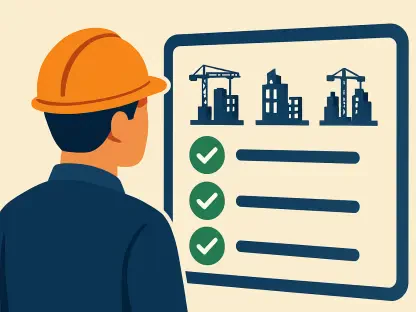
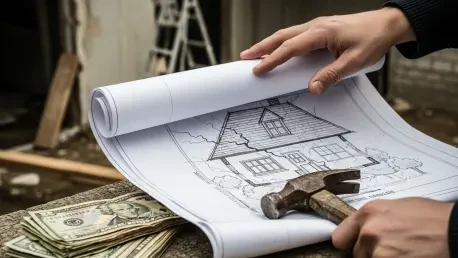
Securing a home project requires strict adherence to financial limits regarding initial down payments to prevent substantial losses before labor even begins on the property. According to regulatory standards, a homeowner should never provide more than 10% of the total project cost or $1,000 as an upfront deposit, whichever amount is smaller. This legal threshold is designed to protect the consumer’s capital while ensuring the contractor has sufficient commitment to start the work. A formal written contract is equally indispensable, serving as the foundational legal document that outlines the scope of work and timelines. Furthermore, verifying credentials via state databases and obtaining at least three independent estimates provided the necessary context to evaluate market rates effectively. By comparing multiple bids, individuals identified potential outliers and ensured they were choosing contractors based on qualitative factors. Requiring a valid bond and insurance further established a secure professional environment.
Independent background checks through the Better Business Bureau and online reputation platforms provided a final layer of security for those who navigated the complex construction landscape. Homeowners who prioritized these verification steps successfully avoided the common traps set by unlicensed operators and fraudulent entities. By analyzing licensing history and avoiding bids that appeared significantly lower than the market average, individuals protected themselves from hidden costs and substandard workmanship. Secure payment methods, such as checks written directly to licensed companies rather than cash, ensured a clear financial trail was maintained throughout the duration of the project. These proactive measures allowed families to finalize their home improvements with confidence, knowing that every legal and professional safeguard was firmly in place. Ultimately, the adoption of these rigorous screening protocols transformed the hiring process into a reliable mechanism for safety and long-term home value.