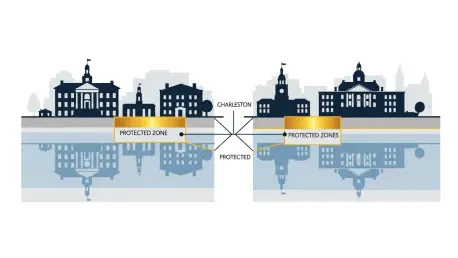

The historic cobblestone streets and meticulously preserved mansions of Charleston often mask a complex subterranean reality where centuries of human history rest beneath the foundation of a rapidly expanding modern city. This architectural splendor frequently overlaps with the resting places of thousands whose stories were previously marginalized or erased by the relentless march of urban progress. Recent legislative updates in Charleston have fundamentally altered the landscape of real estate development by elevating the protection of these sacred sites from a voluntary ethical consideration to a stringent legal requirement. The shift comes at a time when land values are soaring, and the pressure to densify urban centers often conflicts with the preservation of unmarked cemeteries. By formalizing these protections, the city council has acknowledged that the physical remnants of the past are not merely archaeological curiosities but essential components of the community’s shared identity.
Regulatory Evolution in Urban Preservation
Advanced Identification Through Subsurface Technology
The core of the updated ordinances relies heavily on advanced technological applications to identify potential burial grounds before any physical disruption occurs. Developers are now required to employ high-resolution ground-penetrating radar and sophisticated soil resistivity testing as part of their initial site assessment package. These non-invasive methods allow archaeologists to detect anomalies in the soil that suggest the presence of grave shafts or skeletal remains without disturbing the earth prematurely. Furthermore, the city has mandated that all gathered data be integrated into a centralized archaeological GIS layer, which serves as a predictive tool for future planning. This technological mandate removes the element of surprise that often leads to costly construction delays and legal disputes when remains are discovered mid-project. By standardizing the use of these tools, Charleston is effectively shifting the burden of discovery away from accidental encounters.
Integration of Findings into Municipal Planning
Beyond technical requirements, the new legal framework establishes a rigorous oversight process managed by the Board of Architectural Review and the City Planning Department. Any project located within designated high-sensitivity zones must undergo a comprehensive review that includes a historical records search dating back to the city’s founding. If the preliminary research or radar data indicates a high probability of a burial site, the developer is compelled to create a mitigation plan that favors preservation in place over relocation. The legislation also introduced heavy financial penalties for non-compliance, ensuring that the cost of ignoring potential historical sites far outweighs any perceived benefits of cutting corners. This regulatory pressure is designed to foster a culture of compliance where developers view historical preservation as a fundamental pillar of their project lifecycle and integrate it into the standard permitting process.
Accountability and Community Engagement
The Role of Descendant Groups in Decision Making
Central to the success of these protective measures is the formal inclusion of descendant communities in the decision-making process, particularly those representing the Gullah Geechee heritage. The law now mandates that whenever a burial site is identified, or even suspected, the city must engage with recognized community stakeholders to determine the most respectful course of action. This collaborative approach recognizes that the descendants of those buried in these sites hold a unique moral authority over their treatment. Public forums and advisory committees provide a platform for these voices, ensuring that the emotional and spiritual significance of the sites is considered alongside technical data. This model of community-centered preservation serves as a powerful deterrent against the commodification of history, as it forces a dialogue between current economic interests and the lived experiences of the city’s longest-standing residents.
Actionable Legacy of Preservationist Legislation
The implementation of these strengthened laws provided a transformative roadmap for urban centers as they navigated the delicate balance of growth and heritage. By treating burial sites as non-negotiable assets, the city successfully redirected the path of development toward more ethical and sustainable practices. These measures demonstrated that when technology and policy aligned, it was possible to honor the past without stifling the future needs of a modern population. Other municipalities looked toward the Charleston model as a way to integrate social justice into urban planning, recognizing that the protection of ancestral lands was a critical step in broader community reconciliation. Actionable next steps involved the creation of statewide burial registries and the funding of specialized training for local law enforcement. Ultimately, the commitment to rigorous site identification proved that the most resilient cities were those that valued the integrity of their foundations.