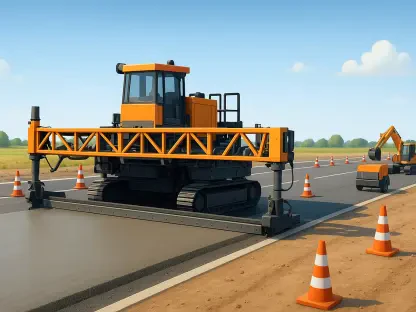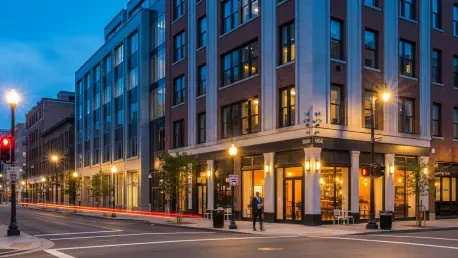

The sight of historic brick storefronts masked by layers of orange netting and heavy machinery has become an all too familiar landscape for residents navigating the evolving urban centers of modern American suburbs. While the promise of wider sidewalks, improved drainage, and aesthetic lighting often garners public support in the early planning stages, the practical reality of multi-year construction cycles presents an existential threat to the very businesses that gave these districts their charm. In Noblesville, Indiana, the recent closure of a cherished local art studio highlighted the precarious balance between long-term municipal goals and the short-term survival of independent merchants. This phenomenon, frequently described as a slow erosion of economic viability, demonstrates how infrastructure projects can inadvertently sever the essential connections between a community and its local vendors. Every day that a detour sign redirected a potential customer was a day of lost opportunity that could never be reclaimed, regardless of how beautiful the final streetscape appeared upon completion.
The Physical and Economic Barriers of Construction
Spontaneous visits and the “walk-in” culture that defines boutique retail are the first casualties of prolonged urban revitalization efforts. When a downtown square is transformed into a maze of construction fences and temporary walkways, the psychological barrier for the average consumer increases significantly. Even loyal patrons who intend to support local shops often find that the frustration of navigating road closures and limited parking outweighs their desire for a specific product or service. For businesses that rely on the convenience of parent drop-offs or casual strollers, such as educational workshops or specialty gift shops, the interruption was catastrophic. City officials often insisted that the area remained open for business, but a sign is a poor substitute for a clear path and a nearby parking spot. Over time, the habit of visiting the downtown core was broken, and consumers shifted their routines toward more accessible strip malls that offered convenience.
Financial sustainability during these periods of transition became nearly impossible for many independent operators who lacked deep institutional capital. While revenue often plummeted by fifty percent or more during the most intensive phases of road work, the fixed costs of doing business remained stubbornly high and unresponsive to external conditions. Rent, insurance premiums, and utility bills did not decrease simply because the front door was blocked by an excavator or a pile of gravel. Most small businesses operated on razor-thin profit margins that provided little cushion for a disruption lasting several years. In the grand scheme of urban planning, a two-year construction window was viewed as a minor logistical blip, but for an entrepreneur, it represented a lifetime of unsustainable financial losses. This disconnect between the bureaucratic timeline of the city and the daily ledger of the merchant created a vacuum where many established legacy brands were forced to liquidate their assets and walk away from their life’s work.
Evaluating the Disconnect in Municipal Planning Strategies
A persistent point of friction emerged from the perceived gap in communication between municipal planners and the entrepreneurial community. While city officials were generally diligent about providing technical updates and construction schedules, they frequently overlooked the need for genuine economic mitigation strategies. Business owners often felt that they were treated as obstacles to be managed rather than as vital stakeholders whose success was integral to the project’s ultimate value. Providing a digital map of detours did little to compensate for the silence regarding potential financial safety nets or property tax relief during the leanest months of development. This dynamic led to a feeling of abandonment among those who had originally invested in the downtown area when it was less desirable. The long-term vision for a modernized district was being built on the backs of the pioneers who were now being pushed out by the very progress they had helped to catalyze through early presence.
The current “race for amenities” seen in growing municipalities often prioritized shiny new infrastructure over the preservation of existing small-town character. As cities competed to attract new residents and larger corporate investments, the focus shifted toward high-end residential units and professional office spaces that could afford the premium rents associated with revitalized districts. This transition placed a significant strain on the eclectic mix of quirky shops and local eateries that typically gave a downtown its unique identity. Without specific protections like rent subsidies or targeted grant programs, these historic squares risked becoming sanitized versions of their former selves. As independent shops folded under the pressure of construction and rising property values, they were often replaced by larger corporate entities or chain restaurants that possessed the capital to endure the long wait for a return on investment. This shift not only changed the economic landscape but also altered the social fabric.
Strategic Adaptation and the Evolution of Local Commerce
Faced with the reality of unreachable storefronts and dwindling daily sales, many entrepreneurs were forced to rethink their entire business models to ensure their brands remained viable. The transition toward mobile services or strictly online sales allowed some owners to eliminate the crushing overhead of a physical lease while maintaining a connection to their established customer base. While these tactical shifts effectively saved the business identity, they left a physical and social void in the downtown landscape that was difficult to fill. Every time a local merchant moved their operations to a home office or a traveling van, the vibrancy of the street level diminished, leading to a less engaging environment for those who still visited the area. The loss of a physical presence meant that the “third place” where community members naturally interacted was disappearing, replaced by digital transactions that lacked the warmth of face-to-face engagement and neighborhood trust.
The survival of local commerce during periods of intense revitalization eventually required a fundamental shift in how cities approached the concept of progress. It became clear that infrastructure projects needed to be budgeted with a dedicated portion of funds set aside specifically for business stabilization and marketing support for affected shops. Municipalities that succeeded in preserving their local flavor were those that treated small business owners as essential infrastructure rather than expendable variables. Planners finally recognized that the true measure of a successful downtown project was not just the quality of the pavement, but the retention rate of the businesses that existed before the first shovel hit the ground. Solutions like temporary tax abatements and subsidized delivery services proved to be effective tools when implemented early. By prioritizing the economic health of current residents, cities built more resilient, authentic, and culturally rich environments.