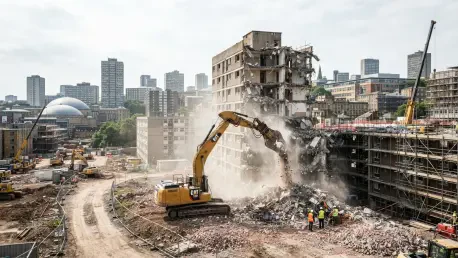

A thirty-million-dollar allocation from Homes England’s Brownfield, Infrastructure, and Land Fund is currently fueling the complex demolition work required for Bradford’s regeneration. This ambitious endeavor, known as the City Village project, marks a pivotal moment for a city traditionally defined by its industrial heritage and large-scale retail footprints. By repurposing underutilized commercial spaces into high-quality residential zones, the local council and its development partners are effectively rewriting the urban blueprint of West Yorkshire. The initiative is not merely about clearing old structures; it is a fundamental shift toward a “living city” model that prioritizes community connectivity and economic resilience over outdated shopping habits. As the machinery begins to roar across the city center, the vision of a vibrant, mixed-use neighborhood is rapidly becoming a physical reality, promising to revitalize the heart of Bradford with modern housing and sustainable infrastructure that reflects the needs of a contemporary workforce.
Breaking Ground on a New Residential Era
Phased Demolition: Initial Site Clearance
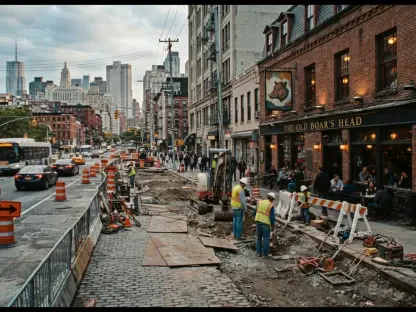
The tangible transformation of the cityscape is currently spearheaded by Metropolitan Demolition, a firm based in Wakefield that is tasked with the monumental job of clearing the former Oastler Shopping Centre and the adjacent Bazaar building. This phase of the project also encompasses properties at 22–24 Rawson Road, formerly home to the local brewery, creating a wide berth for new developments. The demolition process at the Oastler site is estimated to span approximately eight months, a timeline that allows for meticulous site remediation and environmental safety protocols. Simultaneously, preparatory works have officially started at the Kirkgate Shopping Centre, another critical node in the regeneration masterplan. Teams are currently engaged in a comprehensive six-month internal strip-out of the facility to remove non-structural components and salvage materials before the main structural removal begins in early 2027. This sequential approach ensures that each site is optimized for future use.
Construction Milestones: Residential Development Timelines
Once the land at the Oastler site is successfully cleared, the path will be open for the first significant phase of residential growth: the construction of 97 two- and three-bedroom townhouses. While the heavy machinery is the primary focus of the current season, the architectural team is already preparing for the vertical construction of these units, which is officially scheduled to commence in the summer of 2027. Following this, the external demolition at Kirkgate will clear the way for high-density apartment complexes that will anchor the northern end of the City Village. These developments are intended to offer a diverse range of housing options, catering to young professionals and families alike who seek an urban lifestyle. By replacing monolithic retail blocks with varied residential structures, the project aims to break the monotony of the traditional central business district. This coordinated effort between demolition and building crews minimizes downtime and keeps the large-scale transformation on track for regional delivery.
Adapting the Urban Landscape
Strategic Shift: From Retail to Community Living
This extensive regeneration effort reflects a broader strategic pivot occurring across major metropolitan areas where aging shopping centers no longer meet the demands of the modern economy. As digital commerce and destination-style regional malls continue to capture consumer spending, traditional city-center retail assets have increasingly become underutilized or entirely obsolete. Bradford is addressing this challenge by replacing these vast footprints with a residential-led district featuring approximately 1,000 new homes. The goal is to move away from a reliance on the retail sector and instead cultivate a “living city” where the population resides in the same areas where they work and recreate. By introducing a significant permanent resident base, the project creates an inherent demand for local services, restaurants, and independent shops. This transition is expected to stabilize the local economy by providing a more consistent and reliable flow of foot traffic than the fluctuating cycles of high-street shopping.
Future Resilience: Economic and Social Impacts
The focus on a high-density residential core was designed to enhance public safety and foster a more vibrant 24-hour economy within the city center. Stakeholders prioritized meticulous logistical management to ensure the city remained functional, effectively mitigating the noise and dust pollution that accompanied such massive clearance efforts. This sustainable approach to urban planning reduced the need for long commutes and encouraged a lifestyle centered on local interaction. The initiative demonstrated that proactive urban management and strategic investment could redefine a city’s identity, ensuring it remained resilient and adaptable. Ultimately, the work undertaken during this phase solidified Bradford’s commitment to a resident-focused future. To maintain this momentum, the council should now focus on establishing robust community management frameworks and incentivizing local entrepreneurs to fill the newly created commercial voids. Ensuring that social infrastructure kept pace with residential growth remained the vital next step for the area.