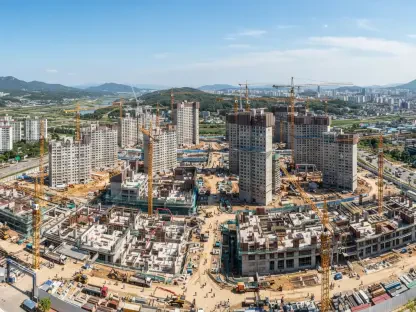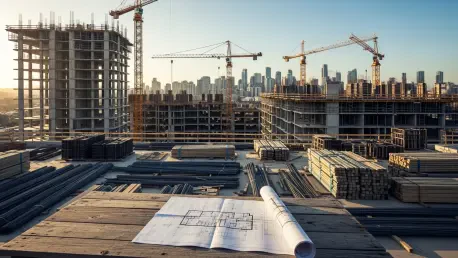

Australia’s construction sector is currently grappling with an increasingly significant divergence between ambitious national housing targets and the sobering reality of declining building permit registrations. While federal and state governments have pledged to deliver over one million new homes by the end of the decade, recent data indicates that the pace of approvals has fallen to its lowest level in several years, highlighting a systemic failure to bridge the gap between demand and delivery. This downward trend is particularly concerning given the sustained population growth driven by high migration rates and a shift toward smaller household sizes. The disconnect suggests that the traditional drivers of housing supply are no longer functioning effectively under the pressure of current economic constraints. Investors and developers are increasingly cautious as they navigate a landscape defined by volatile market conditions and a regulatory environment that often complicates the commencement of new residential projects.
Factors Constraining Modern Development: Economic and Labor Pressures
High interest rates remain the primary deterrent for both developers seeking finance and homebuyers looking to enter the market, effectively cooling the appetite for large-scale apartment complexes. Construction firms are facing a double-edged sword where the cost of borrowing has surged while the purchasing power of their target demographic has simultaneously eroded. Consequently, many high-density projects that were initially planned for the 2026 to 2027 period are now being deferred or canceled entirely as the feasibility studies no longer support the projected returns on investment. This stagnation is further exacerbated by a chronic shortage of skilled tradespeople, which has driven labor costs to record highs and extended project timelines significantly. Without a steady pipeline of workers in essential trades such as plumbing and electrical work, the industry struggles to maintain the momentum required to meet the housing needs of a growing nation.
Beyond the immediate financial hurdles, the rising cost of raw materials continues to exert pressure on the bottom lines of builders who are already operating on razor-thin margins. Supply chain disruptions have transitioned into a more permanent state of elevated pricing for essential components like structural timber, concrete, and high-grade steel. Moreover, the increasing complexity of environmental regulations and sustainability standards has added a layer of compliance costs that many smaller developers find difficult to absorb. These regulatory requirements, while beneficial for long-term urban resilience, often involve lengthy assessment periods that can delay a project’s start by several months or even years. This administrative friction creates a bottleneck where approved designs languish in the planning phase, unable to transition to construction due to the compounding effect of inflation and regulatory uncertainty that characterizes the current Australian property market.
Policy Interventions and Long-Term Solutions: Navigating the Supply Shortfall
Addressing the widening gap between housing demand and supply requires a multi-faceted approach that moves beyond temporary subsidies toward deep-seated structural reform within the planning system. State authorities have begun to experiment with rezoning initiatives that prioritize density near major transport hubs, aiming to bypass local council objections that have historically slowed down high-density housing approvals. By streamlining the approval process for projects that meet specific social housing or sustainability criteria, the government hopes to incentivize private developers to re-enter the market with greater confidence. Furthermore, the integration of modular and prefabricated construction technologies is being viewed as a potential solution to mitigate labor shortages and reduce overall build times. As these innovative methods gain wider acceptance, the industry could see a shift toward more efficient delivery models that are less susceptible to site-based volatility.
Industry leaders recognized that maintaining the status quo was no longer an option if the national housing crisis were to be resolved before the end of the current decade. Stakeholders advocated for a more collaborative framework between the public and private sectors, ensuring that infrastructure investment coincided with residential development to create truly livable communities. Financial institutions were encouraged to develop more flexible lending criteria for sustainable projects, while educational institutions expanded vocational training programs to address the critical shortage of skilled workers in the building trades. These proactive steps were deemed essential for stabilizing the market and fostering a more resilient construction ecosystem that could withstand future economic shocks. By focusing on long-term productivity gains rather than short-term fiscal patches, the sector positioned itself to eventually meet the rising demand for affordable housing through strategic planning.