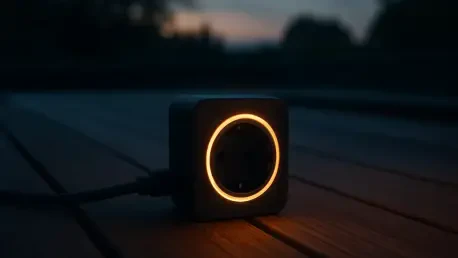

The inclusion of configurable power limits in Zigbee mode provides an additional layer of safety for users managing sensitive or high-draw outdoor electrical equipment. This technical advancement represents a significant evolution in the landscape of external smart home peripherals, effectively bridging the gap between indoor convenience and the rugged demands of outdoor durability. As the catalog of Matter-compatible devices continues to expand, this specific product emerges as a versatile solution for users seeking to extend their home automation ecosystems into gardens and patios. It is engineered to withstand the rigors of outdoor placement while maintaining high-performance connectivity and safety standards that users expect from premium hardware. By addressing the moisture sensitivities that typically confine smart plugs to the interior, this model provides a sophisticated intermediary for various outdoor appliances, enabling reliable remote control and scheduling without compromising on the depth of available software features or real-time connectivity.
Dual-Protocol Connectivity and Integration
The implementation of dual-protocol connectivity serves as a cornerstone for this device, offering support for both Zigbee and Thread standards to ensure maximum flexibility for different network architectures. When operating in Thread mode, the plug utilizes the Matter protocol, which allows for direct and seamless integration with major smart home platforms such as Apple Home, Google Home, and Amazon Alexa. This approach prioritizes a platform-agnostic operation, ensuring that the hardware remains relevant even as individual software ecosystems evolve or change over time. However, to fully leverage the capabilities of Thread, a compatible Matter controller and a Thread Border Router are necessary components of the network infrastructure. This strategic inclusion of Matter reflects a broader industry trend toward breaking down the walled gardens that once defined home automation, providing a future-proof foundation for homeowners who want to build a truly unified and responsive external smart environment across multiple ecosystems.
While Matter provides the path toward universal compatibility, the Zigbee mode remains a vital component for those deeply integrated into existing specialized ecosystems. Through a dedicated hub, users can access a wider array of advanced settings and nuanced automation triggers that are not yet fully supported by the standard Matter implementation. This includes specific custom light behaviors and more granular sensor responses that allow for a highly tailored user experience. The ability to switch between these protocols highlights a commitment to consumer choice, allowing for a gradual transition to new standards without sacrificing the stability of established networks. This flexibility is particularly important in 2026, where homeowners often find themselves managing a hybrid of legacy hardware and modern, high-speed Thread devices. By supporting both, the device ensures that responsiveness and deep software integration are not mutually exclusive, catering to both new adopters and veteran smart home enthusiasts.
Advanced Energy Management and Monitoring
Modern smart outlets have transitioned from simple remote-controlled switches to sophisticated energy management tools that offer deep insights into household utility patterns. This outdoor plug provides granular energy monitoring capabilities, enabling users to track real-time power consumption and review detailed historical usage data through daily and monthly statistics. Such transparency is instrumental for homeowners aiming to optimize their electrical consumption and reduce environmental impact or utility costs by identifying particularly inefficient appliances. By visualizing exactly how much energy a pond pump or a set of decorative lights consumes over a specific period, users can make informed decisions about scheduling and usage frequency. This focus on data-driven management aligns with the growing demand for technology that empowers individuals to take control of their electrical footprint while maintaining the convenience and luxury associated with high-end automated landscaping and outdoor living areas.
Beyond the passive observation of energy metrics, the device incorporates proactive intelligent power management features designed to enhance both efficiency and appliance longevity. A notable inclusion is the specialized charging protection mechanism, which can be configured to monitor the power draw of connected devices with high precision. When the plug detects that the current flow has fallen below a certain threshold for an extended duration, it can automatically terminate the power supply to prevent phantom power draw or to protect sensitive batteries from the stresses of overcharging. This is an essential feature for maintaining the health of rechargeable outdoor equipment or ensuring that standby power consumption does not lead to unnecessary waste. Furthermore, the plug itself is engineered for high efficiency, maintaining an exceptionally low idle power draw. This ensures that the energy saved through intelligent automation is not offset by the operational costs of the smart hardware itself.
High-Capacity Hardware and Safety Fail-Safes
Safety remains a paramount consideration for any device designed to operate in external environments, and the hardware engineering of this plug reflects a rigorous approach to electrical protection. The unit is rated to handle substantial electrical loads, supporting up to 16A of current and a total power output of 3,680W. This high capacity ensures that the device can safely manage power-hungry appliances such as outdoor space heaters, large-scale irrigation systems, or extensive holiday lighting displays that would overwhelm standard consumer-grade smart plugs. To protect both the connected equipment and the home’s primary electrical circuit, the manufacturer has integrated several critical hardware fail-safes. These include automatic overload protection and real-time internal temperature monitoring. If the internal sensors detect that the temperature has exceeded safe operating limits, the system will immediately disconnect the power supply to mitigate the risk of fire or significant hardware failure.
In addition to these hardware protections, the device offers several software-level safety features that provide users with greater control over their outdoor electrical environment. One of the most effective tools is the inclusion of configurable power limits when operating in specialized modes, allowing for an extra layer of security tailored to specific appliances. Furthermore, a software-enabled child lock feature can be used to disable the physical power button located on the unit itself. This prevents accidental manual operation or unauthorized tampering by guests or children, ensuring that the plug remains in its intended state regardless of physical interaction. Despite the physical button being locked, the device remains fully controllable via smartphone applications and voice assistants, maintaining a balance between physical security and digital accessibility. These layers of protection work in concert to create a resilient power solution that prioritizes safety without sacrificing the convenience of modern automation.
Environmental Resilience and Landscape Automation
The physical construction of the plug is specifically tailored to withstand the unpredictable nature of outdoor installation, featuring an IP44 weather-resistance rating. This classification confirms that the device is protected against the ingress of solid objects larger than one millimeter and can effectively resist splashes of water from any direction. Architecturally, the plug is designed to maintain consistent performance across a wide temperature range, from -20°C to 50°C. This ensures that the internal electronics remain stable through freezing winters and intense summer heat waves. Aesthetic and functional choices further distinguish the device, particularly the specialized model featuring a multi-color LED ring. This RGB indicator serves as a customizable visual feedback system that can be programmed to reflect status, energy consumption levels, or specific environmental conditions, adding an intuitive layer of interaction that goes beyond standard application notifications.
To maximize the benefits of this technology, homeowners prioritized the strategic placement of Thread Border Routers to ensure robust connectivity throughout the garden perimeter. They discovered that combining the plug with outdoor presence sensors created a highly responsive environment where patio heaters and cooling fans operated only when spaces were actually occupied, effectively eliminating energy waste. Moving forward, users should consider conducting a periodic review of their automated schedules to ensure they align with seasonal shifts and changing utility rate structures. Investing in high-quality weather-tight enclosures for all external connections also proved to be a critical step in long-term hardware preservation. By embracing these advanced management tools and safety features, households successfully extended the intelligence of their indoor systems to the outdoors, creating a cohesive and secure automation experience. This evolution in external power control laid the groundwork for more complex, energy-efficient landscaping solutions.