
Milestone-based billing and running account methods require a high degree of financial rigor to ensure that payments are accurately tied to verified work. For many years, the construction industry has struggled with fragmented workflows and manual data entry, which often led to significant operational hurdles and a lack of real-time visibility across project sites. However, the emergence of AI-powered Enterprise Resource Planning systems, such as the ZYNO Construction platform, signals a major shift toward digital maturity. By replacing disconnected spreadsheets and manual reports with a unified digital ecosystem, firms can eliminate data silos and gain transparency across complex, multi-site operations. This technological evolution is a strategic necessity for modern builders and contractors who require a single source of truth in 2026. With a centralized platform, project managers and financial controllers no longer operate in isolation, ensuring that every department remains aligned with the company’s broader objectives. This integration serves as the foundation for improved efficiency.
Enhancing Project Oversight and Financial Integrity
The transition toward unified digital ecosystems is not merely a matter of operational convenience; it is a strategic requirement for builders, contractors, and infrastructure firms seeking to maintain real-time visibility over multi-site operations. For decades, construction companies have struggled with “data silos”—situations where project managers, procurement officers, and financial controllers operate using entirely different sets of information. By offering a single, connected platform, AI-powered ERPs address the inherent inefficiencies of managing billion-dollar operations via disparate spreadsheets, emails, and manual reports. This centralization ensures that every stakeholder has access to the same information at the same time, reducing the likelihood of communication errors and project delays. Furthermore, the ability to integrate site data with financial planning allows for a more holistic view of project health, enabling the executive team to make high-level strategic adjustments based on actual field conditions rather than outdated estimates.
Streamlining Site Management and Scheduling
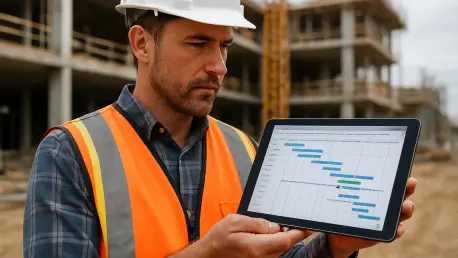
The integration of sophisticated project management software within an AI-powered ERP framework provides project teams with the capability to plan, execute, and monitor milestones through a centralized dashboard. In the high-stakes environment of civil engineering and large-scale building, even minor scheduling delays can lead to catastrophic financial losses and long-term reputational damage. ZYNO Construction’s platform addresses these risks by facilitating daily site progress tracking and task-level monitoring with extreme granularity. This digital oversight ensures that every aspect of the project timeline is visible to management at the head office, regardless of geographical distance from the construction site. By moving away from static Gantt charts and toward dynamic, live-updating schedules, firms can maintain a constant pulse on their operations. This real-time visibility is essential for ensuring that complex infrastructure projects stay on schedule, as it allows for immediate intervention when any phase deviates from the plan.
Ensuring Fiscal Rigor and Budget Control
The construction sector operates on notoriously thin profit margins, which makes rigorous cost control a primary concern for any firm looking to survive in a competitive market. AI-powered ERP systems address this challenge through integrated budgeting software that effectively bridges the gap between field activities and financial records. This platform enables firms to prepare meticulous budgets and then compare planned expenditures against actual spending as the project progresses. By providing a clear view of committed, incurred, and remaining costs, the software ensures that financial controllers always have an accurate picture of the project’s health. This financial integration is not just a bookkeeping tool; it is a strategic asset that allows leaders to identify potential budget overruns early in the project lifecycle. Having access to this data at their fingertips means that management can make informed decisions about resource allocation and cost-cutting measures without having to wait for delayed end-of-month reports.
Optimizing Resources and Supply Chains
Optimizing the complex web of resources required for modern construction demands a level of precision that manual tracking simply cannot provide. From the specialized labor of skilled tradespeople to the heavy machinery required for excavation and the vast quantities of raw materials like steel and concrete, every asset must be meticulously managed to ensure project continuity. AI-powered ERP systems provide the digital infrastructure necessary to coordinate these disparate elements into a synchronized operation. By centralizing the management of the “three pillars”—workforce, equipment, and subcontractors—these platforms allow firms to maximize asset utility and reduce the waste associated with idle time or resource overallocation. In an industry where profit margins are increasingly squeezed by rising material costs and labor shortages, the ability to optimize every resource on a project site is a critical factor in maintaining financial viability and meeting the rigorous demands of infrastructure development.
Automating Procurement and Vendor Relations
Procurement in the construction industry has historically been plagued by manual follow-ups, clerical errors, and a general lack of transparency that can lead to significant delays. Modern ERP systems solve these issues by automating the entire lifecycle of material acquisition, starting from the initial purchase request and moving through vendor inquiries to purchase order approvals and the final processing of Goods Received Notes. This automation links procurement activities directly to the established project budgets and current inventory levels at various sites. By streamlining these workflows, companies can drastically reduce the administrative burden on their procurement teams, allowing them to focus on strategic sourcing and vendor negotiation rather than repetitive data entry. The system ensures that materials are ordered only when they are truly necessary and within the constraints of the project’s financial plan, preventing unnecessary capital from being tied up in surplus stock that may sit idle for months while incurring holding costs.
Precision in Inventory and Resource Allocation
Inventory management is another critical area where AI-powered systems provide significant value, as construction projects are highly sensitive to the availability of materials at the right time. A sudden shortage of cement, steel, or specialized electrical components can halt progress entirely, while an oversupply leads to waste, increased storage costs, and higher risks of theft or damage on the site. Modern software provides real-time stock visibility across multiple warehouses and diverse project sites, ensuring that management always knows exactly what is on hand. Features such as automated reorder alerts and workflows based on Goods Received Notes help minimize waste and ensure that material shortages do not disrupt the project timeline. This level of precision allows for a more “just-in-time” approach to material management, which can significantly improve cash flow by reducing the amount of capital locked in inventory.