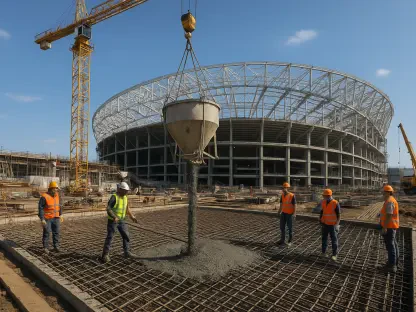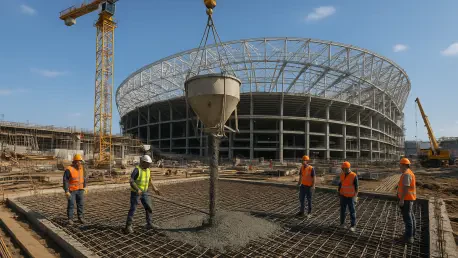
The Alassane Ouattara Stadium in Ivory Coast required 60,000 tons of high-performance cement specifically engineered to maintain structural integrity in extreme tropical humidity. This technical requirement highlights a broader trend where the construction of world-class athletic facilities is

The first major structural overhaul of Sheffield Park since 1954 marks a significant departure from traditional preservation toward active, climate-adaptive landscape management. Situated in the heart of East Sussex, this iconic estate has long been celebrated for its vibrant displays and

The 70% evergreen rule advocated by top designers ensures that gardens maintain their structural integrity and architectural presence even during the dormant winter months. This foundational principle has become the cornerstone of a broader movement toward monochromatic landscapes that prioritize

The reliability of the Double Play Red Spirea makes it a foundational workhorse capable of tolerating urban pollution and various light exposures. For many years, the quintessential American front yard was defined by thirsty lawns and temperamental hydrangeas that required constant attention to
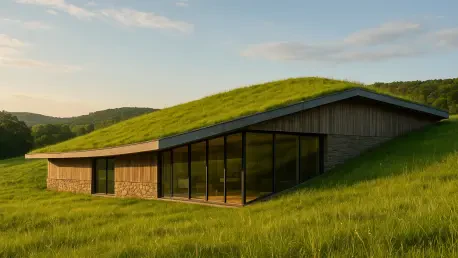
Berming the residence into the existing topography allows the structure to minimize its visual impact while maximizing climate-responsive building practices. This sophisticated approach to site-specific architecture transforms the traditional residential footprint into a seamless extension of the
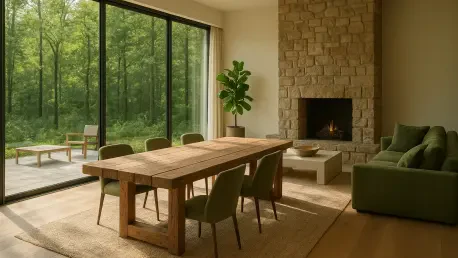
The integration of tactile materials like wood and stone is essential for creating the visual continuity Joanna Gaines seeks in her renovation projects. In the current design landscape of 2026, the focus has shifted significantly toward intentionality, where the environment is treated as the
1 2 3 4 5 6 7 8 9 10 11 12 13 14 15 16 17 18 19 20 21 22 23 24 25 26 27 28 29