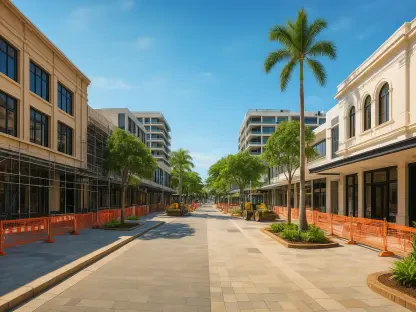
With a scheduled completion date of December 2027, the Gulf Beach Condominium represents a long-term commitment to restoring the island’s density and permanent resident population. This ongoing endeavor highlights the transition from temporary recovery measures to a permanent state of structural resilience. The current efforts across Sanibel are focused on a multifaceted approach that integrates advanced engineering with environmental stewardship. While the initial years following the storm were characterized by debris removal and emergency bridge repairs, the work from 2026 to 2028 is centered on hardening the landscape against future surges. Local authorities have implemented stringent zoning laws that dictate the elevation and durability of all new construction projects. This shift ensures that the aesthetic appeal of the island is preserved without compromising the safety of its inhabitants. Consequently, the skyline is gradually changing as more resilient, elevated homes become the new standard for coastal living in Florida.
Infrastructure Reinforcement: The Foundation Of Recovery
One of the most critical components of the revitalization process is the permanent reconstruction of the Sanibel Causeway. Current operations are focused on enhancing the structural integrity of the bridge segments that connect the mainland to the island. Engineers are utilizing massive armor stone and articulating concrete mats to prevent the erosion that compromised the previous structure. The timeline for these improvements extends through 2027, ensuring that the primary lifeline for residents and tourists is virtually indestructible by today’s technological standards. This project involves not just road repair, but the creation of a sophisticated seawall system along the islands that support the bridge spans. The goal is to create a barrier that can absorb the energy of high-velocity waves during significant tropical events. By prioritizing this gateway, the city has maintained a steady flow of resources necessary for all other private and public construction projects.
Simultaneously, a massive overhaul of the island’s utility infrastructure is underway to minimize service interruptions during future weather events. The Lee County Electric Cooperative has been aggressively moving forward with the undergrounding of power lines in several vulnerable districts. This initiative is designed to protect the electrical grid from high winds and falling vegetation, which were the primary causes of prolonged outages in the past. Additionally, the Sanibel Sewer System is receiving significant upgrades to its pumping stations and treatment facilities. Modernizing these systems from 2026 to 2028 involves the installation of submersible pumps and elevated control panels that remain operational even during heavy flooding. These technical improvements are vital for the long-term sustainability of the local economy, as they provide business owners and homeowners with the confidence that essential services will remain resilient against the unpredictable nature of the Gulf.
Strategic Integration: Advancing Ecological And Technical Solutions
The restoration of the natural environment serves as the first line of defense for the island’s coastline and residential areas. Ecological experts have prioritized the replanting of native vegetation, particularly mangroves and sea oats, which play a crucial role in stabilizing the soil and reducing the impact of storm surges. From 2026 to 2028, several large-scale beach nourishment projects are being executed to replace the millions of cubic yards of sand lost during the hurricane. These projects utilize specialized dredging equipment to source compatible sand from offshore deposits, carefully placing it to rebuild the dune systems. Residents are encouraged to participate in local planting initiatives, as private landscaping choices significantly influence the overall health of the island’s ecosystem. By choosing salt-tolerant, deep-rooted species, property owners contribute to a collective barrier that protects the entire community from the erosive forces of the ocean.
The journey toward a fully rebuilt Sanibel Island was defined by a specific set of strategies that prioritized long-term structural integrity over short-term financial savings. Stakeholders recognized that returning to outdated construction methods was no longer a viable option in an environment with rising sea levels and intensifying storms. By implementing rigorous elevation requirements and investing in impact-resistant materials, the community successfully mitigated the risks that once threatened its existence. For other coastal regions, the primary takeaway from this experience was the critical importance of early coordination between municipal governments and environmental scientists. It was through this collaboration that the island maintained its ecological charm while upgrading its core infrastructure. These efforts ultimately demonstrated that sustainable development is possible when resilience is integrated into the very foundation of urban planning. Moving forward, the island’s success served as a definitive guide for coastal endurance.