
Michael Reynolds developed a radical housing model in Taos, New Mexico, that repurposes discarded vehicle tires and glass bottles into high-performance structural components. This architectural approach, known as the Earthship, challenges traditional notions of domestic living by decoupling the home from centralized utility networks. In an age where resource scarcity and environmental degradation are critical concerns, these off-grid dwellings provide a tangible solution to the problem of solid waste and carbon-intensive construction. By utilizing what society considers trash, Reynolds created a structural system that is both resilient and thermally efficient. These buildings are designed to be self-sustaining entities that harvest their own water, generate electricity, and manage waste internally. The shift toward this regenerative design reflects a broader desire for individual autonomy and environmental stewardship. As modern property development faces increasing scrutiny over its ecological footprint, the Earthship offers a proven framework for a more sustainable future.
Engineering Autonomy Through Design
The Core Systems: Self-Sustaining Dwellings
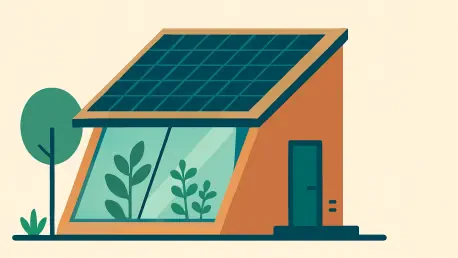
The fundamental engineering of an Earthship revolves around its thermal management systems, which utilize the planet’s natural energy to maintain comfortable indoor temperatures. The primary structural walls consist of used tires packed with tightly rammed earth, creating a massive thermal battery that absorbs heat during the day and releases it at night. This process is augmented by large, south-facing windows that maximize solar gain during the colder months. To prevent overheating in summer, the design incorporates underground cooling tubes. These vents pull fresh air through the earth, cooling it naturally before it enters the living space, effectively eliminating the need for traditional air conditioning units. This integration of passive solar principles ensures that the home remains thermally stable without relying on fossil fuels. Such a system demonstrates how thoughtful architectural geometry can replace complex mechanical infrastructure while enhancing the overall comfort and resilience of the residents.
Managing Water: Nutrient Cycles
Water independence is a central tenet of the Earthship philosophy, achieved through an intricate system of harvesting and multi-stage filtration. The roof of the structure acts as a large catchment area, funneling precipitation into underground cisterns. This water is then pressurized and filtered to meet potable standards for drinking, bathing, and cooking. Once used, the greywater from sinks and showers is not discarded into a sewer; instead, it is directed into interior botanical cells. These indoor gardens act as biological filters, where plant roots and soil microbes remove impurities from the water. This process simultaneously nourishes an internal greenhouse, allowing residents to cultivate a variety of edible plants year-round, regardless of external weather conditions. The integration of food production into the living space turns the home into a productive ecosystem. This circular management of water ensures that every drop is utilized to its maximum potential before eventually being repurposed to flush toilets.
Financial and Technical Realities of Off-Grid Construction
Mastering Thermal Mass: Climate Adaptation
A critical technical distinction that defines Earthship construction is the strategic use of thermal mass over conventional barrier insulation. Standard modern homes often rely on lightweight materials like fiberglass or foam to block heat transfer, which requires constant mechanical input to maintain internal temperatures. In contrast, the high-density tire walls of an Earthship possess a high thermal capacity, allowing them to store vast amounts of energy. This thermal flywheel effect creates a phase lag in temperature changes, smoothing out the peaks and valleys of external weather. During extreme heat, the dense walls remain cool, while during freezing periods, they radiate stored solar warmth back into the interior rooms. This structural density is essential for maintaining a stable environment in arid climates. However, the engineering principles behind this mass-based thermal regulation have been refined to suit diverse geographic regions. Architects adapted these methods to address the specific challenges of both humid and frigid zones with high efficiency.
The Economics: Sustainable Investment
The transition toward self-sufficiency represented a major shift from a centralized consumption model to a decentralized production model. To facilitate this change, policymakers and financial institutions began recognizing the long-term value of sustainable, off-grid assets. Actionable steps involved the development of green mortgages that accounted for the zero-utility-bill nature of these properties and the updating of building codes to allow for alternative materials. Future considerations focused on training a new generation of skilled tradespeople capable of executing these specialized designs. By standardizing the permit process and providing financial incentives for regenerative construction, society accelerated the adoption of these resilient housing models. The move toward Earthship living was not just an aesthetic choice but a strategic investment in a stable and autonomous future. These structures proved that integrating waste management with residential design could solve multiple environmental crises while providing a high quality of life for all.