
Adaptability is becoming a primary requirement for modern living spaces, necessitating the use of modular and folding furniture that can be easily reconfigured. Los Angeles has long established itself as a global epicenter for creative experimentation, acting as a fertile landscape where architecture, fashion, and interior design seamlessly intersect. The sprawling geography of the city, comprised of diverse and distinct neighborhoods, provides a rich backdrop for an innovative design scene that is as eclectic as it is influential. In 2024, this spirit of collective inventiveness was formalized through the launch of LA Design Week/end, an initiative founded to showcase the imaginative capacity of the city. By opening the doors of various studios and galleries to the public, the event fostered a vital dialogue between creators and enthusiasts. As 2027 approaches, the insights gathered from L.A.’s most prominent visionaries suggest a significant departure from the sterile perfection of the early digital age. The focus is pivoting toward personality and a celebration of the human touch, moving away from rigid minimalism in favor of homes that feel grounded, authentic, and deeply connected to their inhabitants.
Tactile Materiality and Expressive Craftsmanship
Texture: Foundations of Architectural Woodwork
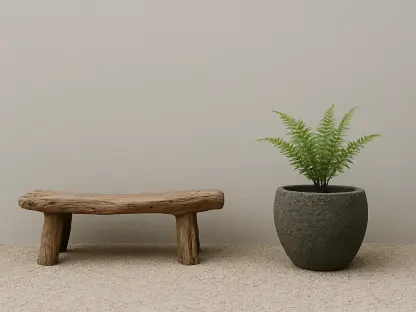
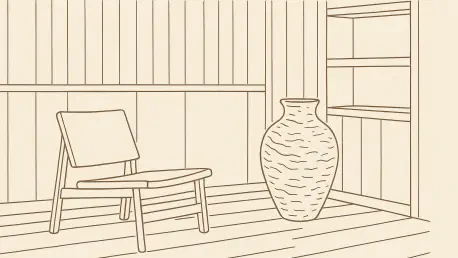
A primary theme for the coming year involves a renewed focus on materiality that prioritizes depth and history over mass-produced uniformity. Designers are increasingly looking for ways to ground interiors in the physical world, often through the use of elemental materials like warm wood. This trend manifests in the form of wood-clad walls and ceilings that evoke a rugged yet cozy atmosphere, moving beyond simple decoration to create a sense of architectural integration. By drawing inspiration from historic residences like the Blunk House, homeowners are finding that wood provides a foundational warmth that creates a permanent, structural honesty within a space.
This shift toward heavy timber and textured surfaces reflects a desire for permanence in an increasingly ephemeral world. The aesthetic moves away from the “clean” surfaces that have dominated for years, favoring materials that tell a story through their grain and natural imperfections. Whether it is through floor-to-ceiling paneling or exposed beams, the goal is to make the room feel as though it was built around the materials rather than just adorned with them. This approach naturally lends itself to a more relaxed and lived-in environment, where the architecture itself provides the primary visual interest, allowing for a more curated and intentional selection of furnishings.
Handcrafted Elements: Ceramic and Sculptural Form
The emphasis on the “hand of the maker” serves as a direct response to the rise of digital automation and artificial intelligence in manufacturing. There is a burgeoning appreciation for objects where the process of creation remains visible, such as ceramics with irregular glazes or furniture pieces that highlight traditional joinery techniques. In the residential landscape of 2027, luxury is no longer measured by the price tag of a component, but by the human effort and narrative history embedded within it. This appreciation for the unique and the artisanal ensures that every piece in a home contributes to an overall sense of authentic human connection.
Ceramics, in particular, are evolving beyond traditional vessels like bowls or vases to occupy more substantial roles within the home. Designers are experimenting with clay to create functional furniture, such as stools and side tables, as well as sculptural lighting fixtures that blur the lines between craft and fine art. This fluidity allows for a living environment that feels like a gallery of personal experiences. By incorporating these tactile, earth-bound materials, residents can create a sanctuary that feels intentionally curated. The resulting spaces are not just visually appealing but are also deeply evocative, reflecting the specific tastes and values of the people who occupy them.
Graphic Surfaces: Innovative Wood Treatments
Color experimentation is reaching traditional woodworking techniques, leading to a vibrant evolution in how natural materials are presented. Traditionally, cerused wood involved a white-on-oak treatment used to highlight the grain, but current iterations use saturated and unexpected colors like cobalt, chartreuse, lavender, and deep burgundy. This graphic approach makes traditional craftsmanship feel contemporary and playful, allowing the natural texture of the wood to stand out in a way that feels almost surreal. It transforms a standard piece of cabinetry or flooring into a focal point of artistic expression without losing the organic feel of the timber.
This technique bridges the gap between high-fashion aesthetics and traditional homebuilding, offering a way to introduce bold color while maintaining the integrity of natural materials. The use of these vibrant stains allows for “single-color moments” that can define a room’s character without the need for excessive ornamentation. It represents a move toward a more adventurous design language, where homeowners are encouraged to take risks with permanent fixtures. By rethinking the way wood is finished, designers are providing a fresh perspective on a classic material, proving that even the most traditional elements can be adapted to suit a modern and energetic lifestyle.
Emotional Resonance and Functional Evolution
Narrative Whimsy: Moving Beyond Modernist Starkness
Perhaps the most significant psychological shift in the industry is the departure from the starkness of late-twentieth-century modernism toward a sense of whimsy and eccentricity. Several experts predict a surge in “weirdness,” suggesting that the era of the perfectly serious and coordinated interior is coming to a close. In its place, homes are embracing a bit of messiness and a significant amount of individual personality. This new aesthetic is characterized by a “happy tension” created when disparate styles are brought together, such as mixing the clean lines of the 1980s with 1970s wood or turn-of-the-century patterns.
The goal of this eclectic approach is to create a home that feels collected over a lifetime rather than purchased from a single showroom or catalog. It values the story behind an object more than its adherence to a specific design trend, allowing for the inclusion of playful or surreal pieces that add a layer of individual narrative. This movement toward whimsy represents a liberation from the rigid rules of “good taste,” encouraging a more inclusive and experimental approach to home-making. By allowing for unconventional combinations, residents can create spaces that are uniquely their own, reflecting a rich tapestry of history, travel, and personal interests.
Imperfection: The Value of Patina and Repair
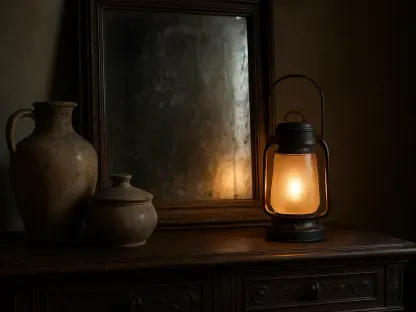
Leaning into imperfection is a core tenet of the emerging aesthetic, as designers prioritize the authenticity of lived-in spaces. The “patina” of a chipped object or the visible history of a repaired antique is now viewed as a mark of character rather than a flaw. This approach contrasts sharply with the digital age’s demand for high-definition perfection, offering instead a grounding sense of reality. Homeowners are finding beauty in the weathered and the worn, seeking out materials that age gracefully and actually improve with use over several years.
This philosophy encourages a sustainable mindset, where objects are kept and cared for rather than discarded for the latest trend. It also leads to a more tactile home experience, where the physical sensation of a material is as important as its visual appearance. Whether it is through the use of hand-applied plaster or the inclusion of “strange little objects” that carry sentimental value, the focus remains on creating a space that feels honest. By celebrating the history of their belongings, people are able to build homes that act as a true reflection of their own journeys, prioritizing substance and soul over temporary fashion.
Global Synthesis: Eastern Rituals in Modern Design
The design community is also anticipating a deeper integration of global traditions, particularly those from East Asia, synthesized through a contemporary lens. This trend involves more than just importing aesthetics; it focuses on adopting the “daily ceremony” associated with these cultures to elevate mundane tasks into artful moments. The use of Japanese silk screens, sheer Korean fabrics, and traditional pearl inlays is becoming more common, providing a soft and sophisticated contrast to modern geometric architecture. These elements introduce a layer of craftsmanship that feels both ancient and remarkably fresh.
By hybridizing historic global references with modern techniques, creators are building a new narrative that is neither strictly old nor strictly new. This approach uses beautiful trays, textiles, and ceramics to transform simple acts, like serving tea or preparing a meal, into ceremonial events. This focus on ritual helps to ground the individual within the home, providing a sense of calm and intentionality in a fast-paced world. The result is a home that feels worldly and sophisticated, yet deeply personal and quiet, offering a sanctuary that respects both historical craft and the requirements of modern living.
Transitioning Toward Authenticity and Future Growth
Designing for the future required a move toward maximalist personality filtered through artisanal quality, ensuring that homes remained as unique as the individuals within them. Homeowners who stayed ahead of the curve prioritized objects that showed the mark of the human hand, purposefully avoiding the sterile uniformity associated with mass production. Designers emphasized that the most enduring trend was authenticity, where pieces were chosen based on personal connection rather than fleeting popularity. This shift allowed for a more liberating approach to decor, where the rigid rules of the past were discarded in favor of a more inclusive and experimental domestic life.
To implement these changes, residents adopted several actionable strategies that transformed their living environments. They integrated bold, glossy reds to provide energy and grounding, and they were not afraid to mix sleek modernism with weathered antiques to create a dynamic visual tension. By utilizing modular furniture, they ensured that their spaces remained adaptable to the changing needs of the household. Ultimately, the focus on ritual and the inclusion of whimsical, “strange” objects turned ordinary houses into curated galleries of experience. These steps ensured that the home became a true reflection of the occupant’s history, providing a tactile and colorful sanctuary for the years to come.