
Wood panelling provides the architectural weight necessary to simulate an inherited history, acting as a formal backdrop for displaying meaningful objects. As the global fascination with the dramatic interiors of Ardross Castle continues to influence residential design in 2026, homeowners are increasingly looking to move beyond sterile modernism toward a more layered and evocative style. This heritage-gothic aesthetic is not merely about dark colors or antique furniture; it is a meticulous study in atmosphere, where every shadow and texture tells a story of mystery and suspense. By blending the rugged grandeur of the 19th-century Highlands with contemporary comforts, one can transform a standard living space into a sanctuary that feels both ancient and intentionally curated. The challenge lies in balancing these theatrical elements so they feel authentic rather than costume-like, requiring a deep understanding of how specific materials and lighting arrangements can alter the psychological perception of a domestic environment.
Mastering Atmospheric Light and Shadow
Rejecting Uniformity: The Power of Shadow
The fundamental shift in modern lighting design focuses on the rejection of the uniform glow provided by traditional recessed ceiling fixtures. In a heritage-gothic setting, such harsh illumination destroys the nuances of architectural detail and the depth of the room’s color palette. Instead, the focus should be on the strategic placement of light sources at varying heights to create a rhythmic play between what is seen and what remains hidden. Low-level table lamps with dark, opaque shades ensure that the light is directed downward, casting soft pools across polished wood or textured fabrics while leaving the upper corners of the room in intentional obscurity. This technique mimics the natural flicker of candlelight or the warmth of a hearth, providing a sense of historical grounding that modern lighting systems can now replicate through tunable warm-spectrum LEDs. By prioritizing these smaller light sources, a room gains a layered complexity that feels naturally aged and enigmatic.
Strategic Illumination: Pockets of Light
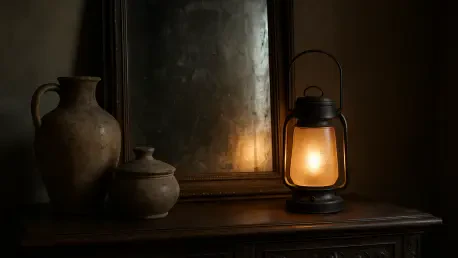
Beyond the basic placement of lamps, the inclusion of portable and dimmable light sources allows for a dynamic atmosphere that can be adjusted to suit the time of day or the desired level of drama. In 2026, wireless charging technology has enabled the use of high-end portable lanterns that can be tucked into bookshelves or placed on sideboards without the visual clutter of cords. These devices act as focal points, drawing the eye toward specific artifacts or pieces of art while reinforcing the theme of secrecy. Shadows are treated as a vital design component rather than a flaw, as they provide the visual breathing room necessary for the eye to rest and the imagination to engage. When shadows are used correctly, they enhance the perceived dimensions of a room, making small spaces feel infinitely deep and larger halls feel intimate and secure. This careful orchestration of light ensures that the interior serves as a stage for personal history, where the environment feels both cinematic and private.
Creating Intimacy and Hidden Nooks
Spatial Withdrawal: Designing for Privacy
The concept of the secret corner is central to achieving a castle-like character within a residential footprint that may lack the expansive hallways of a Scottish estate. Architectural mystery is often born from the feeling of enclosure, where specific areas are partitioned off to provide a sense of withdrawal from the main living space. If a home does not naturally possess deep alcoves or crannies, these can be artificially introduced through the clever use of built-in cabinetry or deep-set daybeds that offer a physical retreat. Creating these small zones of privacy mimics the defensive yet cozy architecture of 19th-century manors, where every room contained sub-spaces for reading, writing, or quiet conversation. This approach to spatial planning emphasizes the importance of the individual’s experience within the room, moving away from the open-plan layouts that have dominated the early part of the decade and toward a more traditional, compartmentalized philosophy of living.
Decorative Enclosure: Concealment Techniques
For those seeking to enhance this sense of intrigue without undertaking major structural renovations, decorative solutions such as painted screens and heavy room dividers offer an effective alternative. A screen finished in a dark, atmospheric color or a period-appropriate wallpaper can mask an awkward corner or hide modern technology that would otherwise disrupt the historical immersion. Similarly, utilizing floor-to-ceiling curtains to conceal shelving or doorways creates a seamless facade that adds a layer of theatricality to the room. When cabinetry and bookshelves are painted in the exact same hue as the surrounding walls, they appear to merge with the architecture, further contributing to a secretive and integrated aesthetic. This visual sleight of hand creates a sense of permanence and depth, suggesting that the room holds more than what is immediately visible on the surface. These design choices transform a standard room into a series of discoveries, where the layout itself becomes a narrative of concealment.
Curating a Storied Collection and Materials
Selecting Artifacts: Authenticity and Narrative
Curating a collection that feels genuinely storied requires a departure from mass-produced accessories in favor of items with visible history, such as foxed glass mirrors and weathered ceramics. These objects provide the soul required for the heritage aesthetic, especially when paired with oversized portraiture that features enigmatic expressions to anchor the room’s narrative. To complement these artifacts, the structural weight of the space must be reinforced through heavy textiles like velvet drapery and traditional Highland patterns. Integrating wool, leather, and tartan ensures the space remains a livable sanctuary, balancing the gothic shadows with a grounded, heritage warmth. This sophisticated layering of materials and storied objects creates a sense of permanence, suggesting that the interior has been slowly assembled over generations. By selecting high-impact pieces and substantial fabrics, the homeowner avoids clutter and instead establishes a dignified environment where every element contributes to a cohesive story of refined mystery.
Achieving Refinement: A Final Synthesis
The successful recreation of the heritage-gothic aesthetic was ultimately found in the harmonious blending of historical gravitas and modern luxury. By prioritizing dramatic lighting and architectural depth, homeowners moved beyond simple decoration to create environments that felt deeply personal and narratively rich. The use of heavy textiles and wood panelling established a sense of permanence, while curated artifacts and enigmatic artwork provided the necessary soul to make the space feel lived-in. In 2026, the trend evolved into a broader movement toward intentionality, where every design choice was made to evoke a specific emotional response and a sense of historical continuity. This approach proved that a home did not need to be a literal castle to possess character and mystery. Instead, by focusing on the play of light and the layering of heritage materials, any interior was transformed into a sophisticated retreat that honored the past while remaining perfectly suited for a modern and comfortable lifestyle.