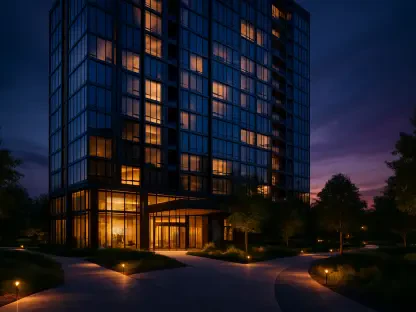

Banu Antonache’s success in scoring 27 out of 33 points for energy efficiency proves that decade-old infrastructure can be fine-tuned to meet today’s strictest power standards. This specific accomplishment, achieved through the LEED v4.1 Operations and Maintenance (O+M) framework, challenges the traditional notion that only modern skyscrapers can reach the pinnacle of sustainability. In the heart of Bucharest, this Class A office property has demonstrated that age is merely a number when it comes to environmental stewardship. By prioritizing operational excellence over new construction, the project managers have set a significant precedent for the regional real estate market. The focus shifted away from the initial building date toward a rigorous, data-driven modernization strategy that bridges the gap between mid-2000s architecture and the high-efficiency requirements of the mid-2020s. This evolution signifies a broader trend in the global real estate industry where existing assets are being revitalized to meet urgent ESG goals and tenant demands for greener workplaces.
Strategic Investments in Technical Modernization
Technical Upgrades: Enhancing Resource Efficiency
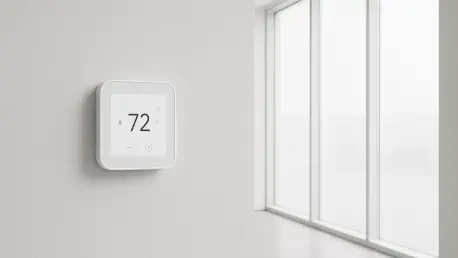
Modernizing an older building requires a disciplined focus on mechanical and digital upgrades rather than superficial aesthetic changes. For the project at Banu Antonache, this involved a multi-year investment program targeting the property’s core technical systems. By upgrading the resource management software and optimizing the building’s mechanical frameworks, the management team achieved a level of precision that rivaled newly constructed smart buildings. These upgrades were verified through a rigorous ASHRAE audit and twelve months of continuous data tracking, ensuring that every kilowatt of energy and liter of water was accounted for. The resulting efficiency not only secured the LEED Platinum status but also provided a tangible reduction in utility overheads for the tenants. Such targeted technical interventions demonstrate that the most valuable improvements are often invisible to the eye, residing in the advanced algorithms and sensors that regulate the internal environment for maximum efficiency.
Connectivity: Optimizing Indoor Environmental Quality
Beyond raw energy metrics, the transformation of older assets necessitates a profound commitment to the occupant experience, particularly regarding indoor environmental quality. The Bucharest project secured 19 out of 20 possible points in this category, a feat achieved through superior air filtration and sophisticated monitoring of ambient conditions. This focus on health and productivity ensures that the building remains a premium destination for high-quality tenants who prioritize employee well-being in a competitive labor market. Furthermore, the building’s location was leveraged by enhancing support for alternative mobility and capitalizing on its proximity to major public transit hubs. By integrating these elements, the property owners proved that a structure’s physical site can be its greatest asset when combined with modern amenities like secure bicycle storage and electric vehicle charging stations. This holistic approach ensures that the building is not just a place of work, but a vital part of a sustainable urban ecosystem.
The Financial and ESG Value of Asset Lifecycle Management
Market Risks: Future-Proofing Architectural Assets
The financial implications of achieving LEED Platinum extend far beyond environmental prestige, serving as a critical safeguard against the rising risk of “stranded assets.” In the 2026 real estate landscape, institutional investors and lenders have integrated ESG criteria into their core valuation models, often penalizing properties that fail to meet modern efficiency benchmarks. By proactively retrofitting older structures, owners can avoid the catastrophic loss in market value that occurs when a building becomes obsolete according to green standards. High-performance certifications attract top-tier tenants who are themselves bound by corporate sustainability mandates, ensuring high occupancy rates even during market fluctuations. This alignment between financial performance and environmental stewardship creates a resilient investment vehicle that remains competitive in a global economy. Therefore, the decision to modernize is a strategic imperative that protects long-term capital while simultaneously reducing the carbon footprint of the entire property portfolio.
Stewardship: Committing to Continuous Improvement
The transition toward operational excellence was defined by a commitment to continuous improvement rather than a one-time achievement. Building managers established a new baseline for stewardship by integrating real-time resource tracking and preparing for even more rigorous future benchmarks, such as the upcoming LEED v5 standards. By pursuing the WELL Health-Safety Rating, the team further validated their dedication to maintaining a secure and healthy environment for all occupants in the post-pandemic era. Property owners successfully demonstrated that the collaboration between experienced sustainability consultants and proactive management teams could transform a boutique mid-2000s office into a leader of the green building movement. Actionable steps taken during this project included performing deep technical audits and prioritizing resource monitoring software over decorative renovations. Ultimately, the project highlighted that long-term asset value was preserved by embracing transparency and rigorous data validation, ensuring the building stayed relevant for decades.