
Student housing is a primary focus of the initial rollout, with three projects in Macquarie Park, Forest Lodge, and Rockdale totaling over 700 units. This strategic entry into the residential space represents a bold departure for the global hospitality giant, as it seeks to apply its deep operational knowledge to the purpose-built rental market. By collaborating with Freecity, a forward-thinking Sydney developer, the partnership bridges the gap between high-end hotel services and long-term urban living. The initiative addresses a critical shortage in quality rental stock, offering tenants a professionally managed environment that prioritizes resident experience and community engagement. As urban centers become more densified, the demand for sophisticated, amenity-rich housing solutions has grown exponentially, prompting established hospitality players to rethink their portfolios and venture into broader asset classes that provide stable, long-term returns in a volatile market.
Scaling Residential Solutions Through Modern Innovation
The Advancement of Volumetric Modular Construction
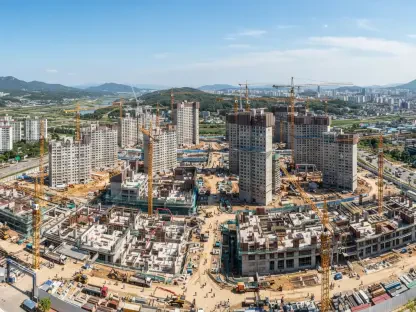
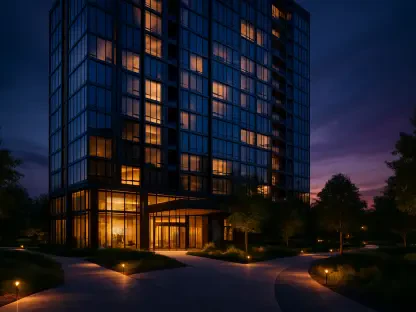
The cornerstone of the current construction strategy involves the implementation of Volumetric Modular Construction, a technology that drastically reduces site timelines while maintaining high quality standards. By manufacturing entire three-dimensional building sections in a controlled factory environment before transporting them to the project site, Freecity is able to bypass traditional weather delays and labor shortages. This precision-engineered approach is perfectly illustrated by the Macquarie Park development, which stands as a flagship achievement in the portfolio as the tallest modular building in the country. Standing twenty stories high, the project demonstrates that prefabricated methods are no longer limited to low-rise structures but are capable of supporting high-density urban infrastructure. This shift toward modularity reflects a significant technological evolution in the Australian real estate sector, allowing for more predictable delivery schedules and reduced environmental impact.
Integrated Management and White-Label Hospitality
Under the unique management agreement, the hospitality provider takes on the heavy lifting of day-to-back operations while keeping the developer’s brand front and center for consumers. This white-label model ensures that every aspect of the resident journey, from initial leasing and digital marketing to building maintenance and community programming, is handled by experts trained in the hospitality industry. Residents benefit from a service-oriented lifestyle that often includes concierge-style assistance and shared amenities that are typical of luxury hotels rather than traditional apartments. By leveraging global systems for booking and property management, the partnership streamlines the administrative burden and maximizes occupancy rates through data-driven insights. This synergy allows for a more personalized rental experience, where the focus shifts from simply providing a roof to cultivating a cohesive living community that retains tenants longer and enhances property value.
Expanding the Urban Footprint Across Sydney
Diversifying Asset Classes in High-Growth Corridors
Moving beyond the initial focus on students, the development pipeline encompasses a broad range of residential products designed to accommodate a diverse demographic of urban dwellers. A significant milestone in this expansion is the recent approval for a substantial project in Rouse Hill, which represents a massive investment in the city’s burgeoning northwestern growth corridor. This development is slated to provide hundreds of homes, split between traditional build-to-rent apartments and flexible co-living studios that cater to young professionals and essential workers. Its strategic location near major transport hubs ensures that residents remain connected to the central business district while enjoying the benefits of suburban tranquility. This focus on transit-oriented development is a central theme in the partnership’s strategy, as it targets areas where infrastructure investment is highest and the need for modern, well-connected housing is most pressing for the current workforce.
Future-Proofing Urban Living Through Strategic Vision
The long-term vision for this collaboration culminated in the planning of a landmark sixty-plus-story tower in Parramatta, signaling a commitment to high-density living that redefined the regional skyline. This ambitious project served as a blueprint for how professionalized management could be scaled to meet the needs of thousands of residents within a single vertical community. Stakeholders recognized that successful integration of hospitality standards into the rental sector provided a viable solution for the housing crisis by offering a reliable alternative to homeownership. Organizations then prioritized the adoption of volumetric construction to lower development costs and improve speed to market. Moving forward, the industry adopted these strategies to ensure that future residential projects remained competitive and sustainable. Property managers utilized data-driven community programming to enhance tenant retention and maximize asset performance during periods of high economic volatility.