
Luca Calarailli is an expert in modernizing residential spaces through technological innovation and architectural design. As Beyond Housing begins retrofitting 500 homes in Scarborough and Whitby, Luca explains the logistical and social impact of these critical upgrades. This conversation covers the strategic rollout of advanced insulation and smart technology designed to make homes warmer and more affordable across North Yorkshire and the Tees Valley.
How do you prioritize which neighborhoods in Scarborough and Whitby receive upgrades first when dealing with such a large-scale project?
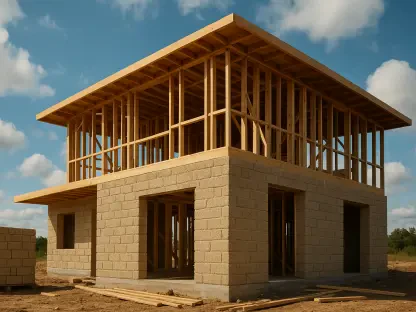
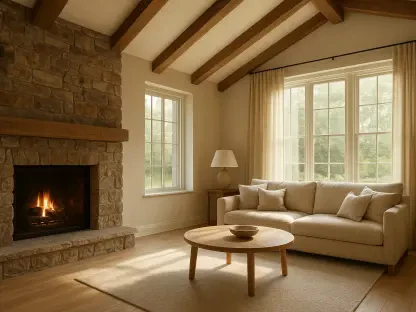
The process starts with data from detailed assessments to identify where the need for efficiency is most urgent. We target homes with the highest energy bills and those where poor cavity wall or loft insulation is most prevalent. In Scarborough and Whitby, we are specifically coordinating work to ensure these 500 homes meet the 2030 efficiency standards. It is a complex logistical puzzle that balances building readiness with the goal of creating a warmer, healthier environment for residents. You can truly feel the improved air quality and consistent warmth once the new ventilation and insulation are installed.
What makes the partnership with a specialist like 0800 Repair so critical for these large-scale housing projects?
This 12-month contract provides the specialized technical execution needed to handle over 500 properties efficiently. Using the CHIC Framework for a direct award ensures we work with a team that has a proven track record with local authorities. The agreement also includes significant social value, such as educational workshops in schools within the communities where we are working. When an experienced team understands the nuances of smart thermostats and lighting, the installation process becomes much less intrusive for the tenant. This partnership allows us to scale up quickly, with an option to extend the project for another year.
Beyond simple insulation, how do smart technologies like thermostats and low-energy lighting transform the resident’s daily experience?
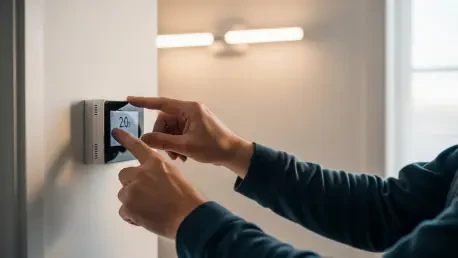
Smart technology represents a fundamental shift toward active energy management for the resident. By installing smart thermostats, we empower families to monitor their actual heat consumption, which removes the anxiety of a surprise bill. Combined with low-energy lighting, these changes create a home environment that is both modern and much easier to manage. The change is sensory; the lighting is efficient and the smart controls ensure no heat is wasted in an empty room. These tools are the front line in the battle against fuel poverty, turning drafty houses into high-performance spaces.
With the 2030 deadline for energy efficiency standards approaching, what are the biggest hurdles in scaling these improvements to hundreds of homes simultaneously?
The main hurdle is coordinating quality across 500 different sites while staying on a very tight 12-month timeline. Each home presents its own challenges, from the condition of old loft insulation to the specific ventilation needs of an older building. We must ensure every assessment is precise so that upgrades like cavity wall treatments actually reduce energy consumption as promised. It is a race to the 2030 benchmarks, but the momentum we are seeing in the Tees Valley is very encouraging. Starting on-site work this week is a major milestone for these communities and the families living there.
What is your forecast for the future of sustainable social housing?
I believe energy efficiency will soon become a fundamental right for every tenant rather than a luxury upgrade. As seen with this initiative, the integration of smart technology and high-performance insulation is rapidly becoming the industry standard. We will likely see more housing associations leveraging consortium frameworks to fast-track these improvements to thousands of homes simultaneously. By 2030, social housing will be defined by how well a building protects both the resident’s wallet and the environment. We are moving toward holistic sustainability that transforms entire neighborhoods into energy-efficient hubs.