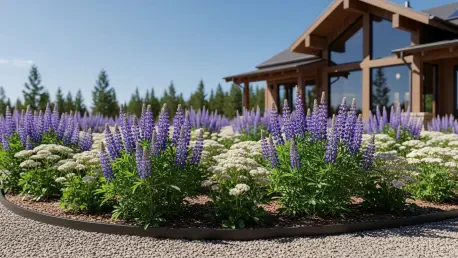

The rugged peaks and sprawling vistas of the Colorado Rockies have long dictated the rhythm of life in Summit County, but a new era of luxury landscaping is finally prioritizing ecological harmony over traditional manicured lawns. This transformation is not merely a passing trend but a fundamental shift in how high-end property owners perceive their relationship with the high-altitude environment. In the past, the prestige of a mountain estate was often measured by the vibrancy of its non-native, water-intensive flower beds and perfectly leveled green grass. Today, that aesthetic is being replaced by a more sophisticated and sustainable philosophy that embraces the natural heritage of the region. By moving away from invasive species and toward flora that has evolved to thrive in thin air and rocky soil, homeowners are discovering that beauty and resilience are not mutually exclusive. This evolution is driven by a combination of environmental necessity, such as water scarcity and wildfire risks, and a desire for a landscape that feels like an authentic extension of the surrounding wilderness rather than a forced imposition upon it.
The push toward native landscaping reflects a deeper understanding of the unique challenges posed by the alpine climate, where the growing season is short and the weather is unpredictable. Luxury homeowners are increasingly recognizing that the same plants that flourish in the valley do not always translate well to the seven-thousand-foot elevations of towns like Breckenridge, Frisco, or Silverthorne. Consequently, the focus has moved toward creating “living tapestries” of hardy perennials, native grasses, and structural shrubs that require fewer resources to maintain their splendor. These landscapes are designed to withstand heavy snowloads in the winter and intense ultraviolet radiation in the summer, ensuring that the property remains visually striking year-round without the constant intervention of heavy machinery or chemical fertilizers. As more residents witness the success of these resilient gardens, the demand for expert horticultural knowledge has surged, turning the local landscaping industry into a hub of innovation for high-altitude sustainable design.
Shifting Lifestyles and the Demand for Low Maintenance
Modern luxury homeowners in the Colorado mountains are moving away from the labor-intensive gardening habits of previous generations to prioritize active outdoor recreation. In the past, residents might have spent their weekends weeding flower beds or meticulously pruning delicate roses, but the current demographic of property owners values time spent on the hiking trails, ski slopes, and mountain bike paths. This lifestyle shift has created a significant demand for landscapes that look professionally curated yet require minimal personal oversight. The garden is no longer viewed as a project to be managed by the owner, but as a high-end amenity that should remain pristine and self-sustaining. This has led to the rise of “intelligent landscaping,” where the selection of native species ensures that the garden can manage itself through various seasonal changes without needing constant human intervention or replanting.
The desire for longevity and durability has fundamentally changed the criteria for plant selection in high-end residential projects. Homeowners are now looking for “plant once” solutions that offer perennial reliability, moving away from the annual flowers that once dominated the region’s summer displays. By investing in native species that return with more vigor each year, property owners are ensuring that their landscapes grow more beautiful and established over time rather than requiring a complete overhaul every spring. This approach also appeals to the significant number of second-home owners in Summit County who are not present throughout the year to monitor their grounds. These individuals require the peace of mind that their mountain retreat will maintain its curb appeal and ecological health regardless of whether they are there to supervise the watering schedule or handle seasonal cleanup tasks.
Selecting Native Flora for High-Altitude Success
A successful high-altitude garden is built on a foundation of plants that have spent millennia adapting to the specific soil compositions and atmospheric conditions of the Rocky Mountains. The Colorado Columbine is a perennial favorite for luxury estates, not only for its status as the state flower but for its remarkable ability to thrive in partial shade and rocky terrain. When planted in large clusters, these flowers provide a striking burst of blue and white that feels both elegant and wild. Another staple in modern mountain design is Purple Catmint, which has become a preferred choice for its extreme drought tolerance and long-lasting blooms. Beyond its aesthetic appeal, Catmint serves a vital ecological role by attracting pollinators such as bees and butterflies, turning a private garden into a thriving habitat that supports the local ecosystem while maintaining a refined and orderly appearance.
Structural depth in these luxury landscapes is often achieved through a curated selection of native shrubs and groundcovers that provide texture even when flowers are not in bloom. Plants like yarrow, various types of sage, and creeping thyme are frequently utilized to fill gaps and provide a lush, green carpet that retains soil moisture and prevents erosion. These species are particularly valued for their tactile qualities and their ability to release subtle, earthy fragrances when brushed against, enhancing the sensory experience of an outdoor living space. While some homeowners still incorporate ornamental varieties for specific color accents, the prevailing trend favors native lupines and hardy mountain shrubs that can survive on natural precipitation once their root systems are fully established. This strategic selection ensures that the landscape remains vibrant and healthy, reflecting the natural diversity of the surrounding forest and alpine meadows.
Addressing Water Scarcity and Wildfire Safety
Water conservation has become a primary concern for property owners in Summit County, where the climate can fluctuate between semi-arid conditions and periods of extreme dryness. The implementation of native plants is the most effective way to maintain a lush and inviting property while adhering to increasingly strict local irrigation limits. Unlike traditional lawns, which require thousands of gallons of supplemental water to survive the high-altitude sun, native species are genetically programmed to thrive on the limited moisture provided by snowmelt and seasonal rains. By utilizing xeriscaping principles—which emphasize the use of drought-resistant plants and efficient water management—landscapers can create stunning visual environments that do not drain the county’s vital water resources. This move toward water-wise gardening is seen as both a practical necessity and a hallmark of responsible luxury living in the modern mountain west.
In addition to water management, the threat of wildfires has made “fire-scaping” an essential component of any high-end landscaping project in the region. This practice involves the strategic removal of highly flammable vegetation, such as dry ornamental grasses and dense stands of certain evergreen species, and replacing them with fire-resistant alternatives. Landscapers now focus on creating “defensible space” around luxury homes, using stone pathways, gravel mulch, and succulent-like native plants to act as natural firebreaks. By carefully spacing out vegetation and prioritizing species with high moisture content in their leaves, professionals can significantly reduce the risk of a fire spreading to the main structure. This proactive approach to safety does not sacrifice beauty; instead, it incorporates functional safety elements into a cohesive and attractive design that protects the homeowner’s investment while respecting the volatile nature of the forest environment.
Personalized Design and Professional Expertise
While the shift toward native plants is rooted in functionality, the demand for personalized aesthetic design remains a top priority for the luxury market. Modern architectural styles in Summit County, characterized by clean lines and expansive glass, often call for a minimalist landscaping approach that features a limited color palette and bold, architectural plant shapes. Conversely, owners of more traditional log and stone estates often prefer a “wildflower meadow” look that utilizes a diverse array of heights, colors, and textures to mimic the untamed beauty of a mountain clearing. This level of customization ensures that the landscaping feels like a seamless extension of the home’s interior design. Professional designers work closely with clients to select a mix of plants that complement the specific materials of the house, such as matching the silvery tones of sagebrush with modern steel accents or the warm hues of Gambel Oak with traditional timber framing.
The complexity of the high-altitude environment means that the expertise of professional landscapers has never been more valuable. Navigating the intersection of local environmental regulations, soil science, and microclimate variations requires a specialized skill set that goes far beyond basic gardening. These professionals are tasked with ensuring that expensive plant installations survive the harsh winters and that irrigation systems are optimized for maximum efficiency. For many luxury homeowners, the relationship with their landscaping team is an ongoing partnership that involves seasonal monitoring and fine-tuning to ensure the property matures beautifully over the years. This professional stewardship provides the necessary oversight to keep the landscape in harmony with the surrounding wilderness, allowing property owners to enjoy their mountain retreats without the stress of managing a temperamental and sensitive ecosystem on their own.
Strategic Implementation and Long-Term Ecological Stewardship
The transition toward native landscaping became a cornerstone of property value preservation and environmental responsibility in Summit County. Successful implementations relied on a comprehensive assessment of the site’s specific topography, ensuring that plants were placed in locations where they could naturally thrive based on sunlight and drainage patterns. Homeowners who moved toward this model found that the initial investment in professional design and high-quality native stock paid dividends in the form of reduced utility costs and lower maintenance fees. The integration of advanced drip irrigation technology allowed for the precise delivery of water during the critical establishment phase, after which many properties were able to transition to a near-passive watering schedule. This strategic foresight transformed the local real estate market, as buyers began to prioritize estates with established, fire-wise, and drought-tolerant landscapes over those with traditional lawns.
Moving forward, the focus shifted toward expanding these individual efforts into a broader community-wide initiative for ecological restoration. Next steps for property owners involved the removal of invasive species that historically outcompeted local flora, thereby restoring the natural biodiversity of their private acreage. The use of organic fertilizers and the elimination of harsh pesticides became standard practices, further protecting the local watershed and supporting the health of native bird and insect populations. By viewing the landscape as a living, breathing part of the larger Rocky Mountain ecosystem, luxury homeowners set a new standard for mountain living that balanced opulence with environmental ethics. These practices proved that high-end living could be synonymous with conservation, providing a roadmap for other mountain communities to follow in the pursuit of a sustainable and beautiful future.