
Updating old wrought-iron furniture with fresh monochromatic paint and matching cushions serves as a primary strategy for achieving a modern outdoor look. In recent seasons, the American backyard has evolved from a neglected utility area into a deliberate extension of the indoor living environment. Homeowners now prioritize sophisticated design and functional longevity over quick DIY fixes that fail to survive the changing seasons. As of 2026, the demand for high-end aesthetics has moved beyond the kitchen and living room to the patio and garden, where every element is chosen for its ability to create a seamless transition between the built environment and the natural world. This transformation involves a shift from temporary solutions to permanent architectural investments that offer both comfort and value. The modern oasis is no longer just about having a place to sit; it is about crafting a curated experience that reflects a personal style while respecting the ecological context of the surrounding landscape.
Naturalistic Landscaping: The Shift Toward Meadowscaping
The departure from traditional, highly manicured lawns has paved the way for naturalistic landscaping, a movement often referred to as meadowscaping. This design philosophy emphasizes ecological integration by incorporating native grasses and wildflowers that mimic the organic flow of the local terrain. Rather than fighting against nature to maintain a perfect, artificial green carpet, the current trend favors a landscape that appears to envelop the home naturally. Designers emphasize the importance of blurring the lines between cultivated garden spaces and the surrounding wilderness to foster a sense of immersion. This nature-first approach not only supports local biodiversity but also reduces the maintenance burden associated with chemical fertilizers and excessive irrigation. By 2026, the most successful renovations are those that embrace a wilder, more textured aesthetic, allowing the backyard to serve as a genuine sanctuary that feels deeply connected to the earth.
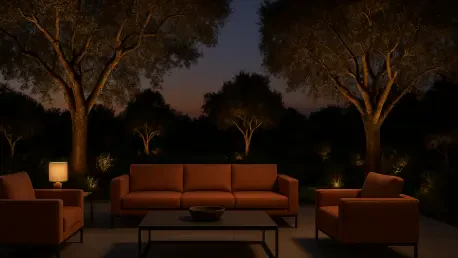
Complementing the shift toward organic landscaping is a sophisticated evolution in outdoor illumination. While string or bistro lights were once the dominant choice for creating a festive atmosphere, they are increasingly seen as temporary or cluttered solutions that lack structural impact. Modern designs now favor strategic landscape lighting, specifically the use of professional-grade uplights aimed at mature trees and architectural botanical features. This high-end method creates a luxurious atmosphere by highlighting the natural textures and shapes of the garden, ensuring that the backyard remains a stunning visual focal point long after the sun has set. By focusing on the view from within the home, as well as the experience on the patio, homeowners can transform their outdoor areas into dramatic, multi-dimensional spaces. This refined lighting strategy emphasizes the architecture of the plants themselves, providing a sense of depth and security that elevates the entire property.
Color Drenching: Bringing Interior Design Principles Outdoors
A significant development in outdoor aesthetics is the application of interior design techniques, most notably the concept of color drenching. This practice involves saturating a specific area in a single, cohesive hue to create depth, mood, and a sense of intentionality. While traditionally reserved for cozy dens or dramatic dining rooms, this strategy is now a primary outdoor trend for 2026. Homeowners are moving away from mismatched patio sets and utilitarian plastics toward a curated palette that mirrors the tones found in nature or the home’s interior. By selecting shades like earthy greens, deep terracotta, or dusty blues for every element in a seating area, the transition from the back door to the garden feels entirely seamless. This method effectively turns a simple patio into a fully realized outdoor room, treating the space with the same level of stylistic rigor as any indoor environment. The result is a sophisticated retreat that feels both modern and deeply comforting.
Executing the color drenching trend requires a coordinated refresh of existing materials and the careful selection of new accessories. This involves matching furniture frames, heavy-duty cushions, and even the planters themselves within a specific color story. When the colors of the hardscape and furniture align with the surrounding plant life, it reinforces the visual harmony of the entire property. Experts suggest that even a simple update, such as painting a vintage metal bench to match a set of new emerald-green planters, can drastically change the perception of the space. This intentionality moves the design away from the accidental look of traditional garden sets toward a professional, designer-led aesthetic. By 2026, the focus has shifted toward creating a unified atmosphere where the distinction between the furniture and the landscape is minimized. This approach allows the textures of the garden to stand out, as the background elements recede into a beautiful, monochromatic backdrop.
The Modern PergolCombining Architectural Interest with Utility
In the search for the perfect shade solution, the architectural dominance of the pergola has successfully surpassed the traditional patio umbrella. While umbrellas provide functional relief from the sun, they often lack the structural permanence and old-school charm that modern designers crave. Pergolas offer a definitive architectural element that anchors the backyard, serving as a multifunctional hub for relaxation or entertainment. These structures act as secondary dining pavilions or sheltered areas for fire pits, adding a vertical dimension that traditional flat patios lack. Beyond their visual appeal, pergolas are coveted for their ability to increase property value and provide a framework for vertical gardening. By allowing climbing vines like wisteria or jasmine to grow over the rafters, homeowners can create a lush, living ceiling that provides natural cooling. This integration of structure and vegetation represents the pinnacle of modern backyard design, where architecture and nature work in total harmony.
Designing a modern backyard oasis ultimately required a shift from temporary fixes to permanent, nature-first investments. Homeowners who moved away from cluttered string lights and flimsy umbrellas in favor of strategic uplighting and architectural pergolas achieved a more cohesive and sophisticated environment. This evolution prioritized the creation of microclimates that remained comfortable during heat waves, while also protecting expensive outdoor fabrics from the elements. To replicate these results, the next logical steps involved assessing the existing landscape for opportunities to implement meadowscaping and adopting a strict color-drenching palette for all furniture updates. The successful transition into a contemporary retreat was defined by its ability to function as a seamless extension of the home, where the boundaries between interior comfort and the natural world were expertly blurred. This approach ensured that the backyard was no longer treated as an afterthought, but as a primary area for architectural and stylistic investment.