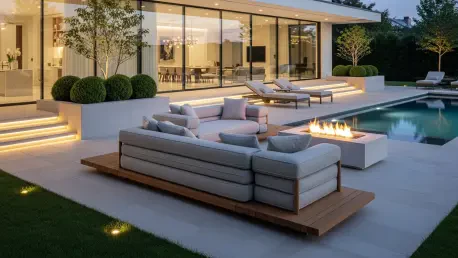

The concept of the traditional backyard has undergone a radical transformation, moving away from simple grassy patches toward sophisticated, multi-functional extensions of the home’s interior design language. In 2026, homeowners no longer view the patio as a secondary space for seasonal use but as a fundamental component of their living environment that requires the same level of curation as a primary suite. This shift is driven by a desire for seamless transitions, where the threshold between the kitchen and the garden is practically invisible. Luxury brands have stepped into this space to provide more than just weather-resistant seating; they offer an elevated lifestyle defined by comfort and permanence. As remote work and home-based leisure continue to dominate modern lifestyles, the investment in high-quality exterior environments has become a priority for those seeking a sanctuary that resists the wear of the elements while maintaining a high-fashion aesthetic. These brands leverage advanced materials and architectural principles to ensure that every square foot of outdoor space contributes to the overall value and tranquility of the property.
Merging Interior Comfort With Exterior Resilience
The primary challenge in outdoor design has traditionally been the compromise between softness and durability, a gap that luxury manufacturers have successfully closed through meticulous engineering. High-end brands now focus on creating furniture that looks and feels like it belongs in a formal sitting room but possesses the chemical and physical properties to withstand UV radiation and moisture. This evolution is rooted in the slow furniture movement, which emphasizes quality over quantity and rejects the disposable culture of mass-market plastic or thin-metal options. By utilizing materials that age gracefully, such as sustainably harvested teak or powder-coated aluminum, these designers ensure that the furniture remains a permanent fixture of the home’s architecture. The resilience of these pieces does not come at the expense of style; rather, the robust construction provides a canvas for sophisticated textures and finishes that were previously impossible to maintain in open-air environments. Consequently, the patio has evolved into a resilient gallery that preserves the integrity of its design regardless of the climate.
High-Performance Materials: Comfort Meets Durability
Modern luxury brands like Sundays and Rejuvenation are leading the way by introducing ultra-plush sofas that challenge the notion that outdoor seating must be firm or utilitarian. These companies utilize high-performance, quick-drying foams and fabrics that offer the same tactile richness as velvet or linen, allowing users to sink into their furniture just as they would in an indoor lounge. By implementing multi-layer cushioning systems, they provide ergonomic support that survives heavy rain and intense sun without losing its shape or developing mildew. The engineering behind these cushions involves open-cell structures that allow water to flow through rather than being absorbed, significantly reducing dry times. Furthermore, the integration of Sunbrella-wrapped frames ensures that the color and structural integrity of the fabric remain vibrant even after years of direct exposure to sunlight. This level of technical engineering ensures that the transition from a rainy afternoon to a clear evening requires minimal effort, effectively removing the barriers to spontaneous outdoor relaxation and making the exterior space a truly comfortable extension of the home.
Engineering Excellence: Technical Solutions for the Elements
Beyond the comfort of the upholstery, the structural integrity of high-end outdoor collections relies on a sophisticated blend of material science and environmental testing. Manufacturers like Outer and Arhaus have introduced integrated protective technologies, such as built-in covers that tuck away into the frame, making it easier than ever to maintain the pristine condition of high-value investments. They utilize heavy-duty materials like FSC-certified teak, reinforced concrete, and rustproof aluminum to ground their furniture against high winds and heavy rain. In contrast to cheaper alternatives that might warp or splinter within a few seasons, these luxury pieces are often kiln-dried and finished with marine-grade coatings to preserve their structural stability in extreme temperatures. By combining these industrial-strength materials with artisanal craftsmanship, luxury brands have created a new category of heirloom outdoor furniture that justifies its initial cost through longevity and reduced environmental impact. This focus on permanence ensures that each piece remains a functional part of the landscape for decades, resisting the fading and structural wear that typically plagues standard exterior furniture.
Defining Your Personal Outdoor Aesthetic
Selecting the right aesthetic for an outdoor space involves more than just picking a color palette; it requires an understanding of how the surrounding architecture interacts with the natural landscape. Luxury brands provide a diverse range of design languages, from the stark geometric lines of modern minimalism to the soft, organic textures of coastal-chic retreats. This variety allows homeowners to treat their backyard as a continuation of their personal brand, creating a cohesive visual narrative that flows from the entryway to the edge of the pool. The current design climate encourages a move away from matching sets in favor of curated collections that reflect a more lived-in, sophisticated atmosphere. By blending different materials—such as stone tables with wicker chairs or metal frames with wooden accents—designers can create a layered look that feels intentional and high-end. This approach transforms a standard exterior area into a professional-grade living space that rivals the most exclusive resorts, providing a sense of escapism that is accessible just steps from the back door and tailored to the unique lifestyle of the inhabitant.
Design Philosophies: Minimalism and Contemporary Lines
For those who appreciate the clarity of modern design, brands such as HAY and Article offer midcentury-inspired silhouettes that serve as a refined blank canvas for the patio. These designs prioritize clean lines and functional simplicity, utilizing materials like acacia wood and muted, nostalgic color palettes to create a timeless environment. The minimalist approach is particularly effective in smaller urban spaces, where bulky furniture can feel overwhelming; instead, these sleek pieces maximize the available area while maintaining a sense of luxury and order. By focusing on the essential elements of the design, these brands allow the natural beauty of the surrounding environment to take center stage. The use of slender metal frames and geometric wooden slats provides a lightweight feel that does not sacrifice strength, making the furniture easy to rearrange while maintaining a high-end, architectural presence. This commitment to minimalist principles ensures that the space remains uncluttered and serene, providing a perfect backdrop for quiet reflection or intimate conversations in a contemporary setting.
Tropical Sophistication: Coastal Chic and Natural Textures
If the goal is to transform a backyard into a high-end resort, brands like Serena & Lily and Castlery provide a coastal-chic aesthetic that emphasizes natural textures and light colors. These brands offer customizable upholstery and tropical influences that make even small urban balconies feel like expansive beachside retreats. This style utilizes weather-resistant wicker and custom fabrics to evoke the feeling of a beachside bungalow, making it an ideal choice for creating a tranquil retreat focused on leisure and comfort. Furthermore, the use of modular pieces allows for a high degree of adaptability, enabling homeowners to reconfigure their seating to accommodate everything from a solo reading session to a large garden party. By prioritizing inviting designs and organic materials, these manufacturers ensure that the furniture feels like a natural part of the outdoor environment. This dedication to a specific, high-end theme helps create a cohesive atmosphere of relaxation, turning a simple deck into a luxury destination that offers a daily escape from the stresses of modern life.
Artistic Touches: Statement Pieces and Curation
The final layer of a truly luxurious outdoor environment is often found in the artistic accents and statement pieces that provide character and a sense of history. Brands like Anthropologie and Grandin Road specialize in these finishing touches, offering items like hanging basket chairs, intricate outdoor rugs, and sculptural lighting that turn a functional seating area into a professionally curated sanctuary. These pieces serve as the focal points of the design, drawing the eye and inviting conversation through unique shapes and artisanal textures. A hanging egg chair or a hand-carved stone side table can break the monotony of a traditional seating arrangement, adding a whimsical or exotic flair that reflects personal tastes. These accents are not merely decorative; they are engineered with the same rigor as larger furniture pieces, using UV-stable dyes and water-resistant fibers to ensure they do not fade or degrade. This attention to the smallest details is what distinguishes a professionally designed space from a standard project, ensuring that every element contributes to a sophisticated and personalized visual narrative.
The Practicality of High-End Outdoor Living
While the upfront cost of luxury outdoor furniture is higher than mass-market alternatives, the long-term value and return on investment are significantly greater for the discerning homeowner. High-end pieces are designed to survive the harsh realities of year-round exposure, meaning they do not need to be replaced every few years due to rust, fading, or structural failure. This durability translates to a lower total cost of ownership over time and a reduction in the waste generated by discarded furniture. Additionally, a well-furnished and professionally designed outdoor living space can substantially increase the market value of a property, acting as an additional room that expands the usable square footage of the home. In 2026, real estate trends show that buyers are willing to pay a premium for homes with turnkey outdoor environments that require little to no additional investment. By viewing these purchases as long-term assets rather than seasonal expenses, homeowners can justify the higher price point through the lens of both personal enjoyment and financial pragmatism, ensuring their home remains a top-tier sanctuary.
Ethical Standards: Sustainable Manufacturing Practices
Ethical manufacturing and environmental responsibility have become central pillars of the luxury market, as modern consumers increasingly demand transparency in the production of their goods. Brands such as Urban Natural and Yardbird are at the forefront of this movement, incorporating sustainable materials like recycled ocean plastics and Forest Stewardship Council-certified wood into their handcrafted designs. This shift represents a fundamental change in how high-end furniture is constructed, with a focus on reducing the carbon footprint of every piece. For example, Yardbird’s use of intercepted ocean plastic for its wicker frames directly contributes to the restoration of marine ecosystems while providing a material that is incredibly durable and weather-resistant. By utilizing reclaimed materials and supporting fair-labor practices, these companies prove that luxury and sustainability are not mutually exclusive. This level of corporate responsibility resonates with affluent buyers who want their lifestyle choices to reflect their values, ensuring that their outdoor sanctuary is built on a foundation of ethical integrity and environmental stewardship that will last for generations.
Functional Luxury: Hosting and Strategic Planning
The decision to integrate luxury brands into the outdoor environment proved to be a transformative step for those seeking to maximize the potential of their properties. Homeowners who prioritized modular outdoor kitchens and large-scale teak dining sets from brands like Williams Sonoma or West Elm successfully created venues that rivaled professional galleries. To maintain this level of excellence, experts recommended establishing a seasonal maintenance schedule that included checking fabric seals and applying protective oils to wooden surfaces to preserve their luster. It was also discovered that planning these acquisitions well before the height of the spring season allowed for a more thoughtful curation of the space, avoiding the rush of seasonal stock shortages. Future considerations for outdoor living now involve the integration of smart climate control systems, such as weather-responsive pergolas and hidden heating elements, to further extend the usability of these areas. Ultimately, the move toward high-end exterior design demonstrated that the most valuable spaces in a home are often those that invite us to step outside and reconnect with nature without sacrificing the comforts and sophistication of modern technology.