
Successful commercial property investment in the next cycle will depend on an investor’s ability to look beyond headline figures and analyze individual asset resilience. For years, the Western Australian property market was defined by a fairly uniform upward trajectory in the residential sector, but the landscape has shifted dramatically as we move through 2026. Savvy investors are increasingly diversifying their portfolios by pivoting toward commercial assets that offer more reliable income streams and structural stability. This transition represents a fundamental change in strategy, where the focus has moved from chasing broad market gains to identifying specific properties with the internal strength to weather economic volatility. The current cycle highlights a more considered approach to wealth creation, prioritizing long-term performance over short-term speculation. This strategic realignment is driven by a realization that commercial assets provide a level of cash flow security that residential holdings often struggle to match.
Industrial and Retail Market Dynamics
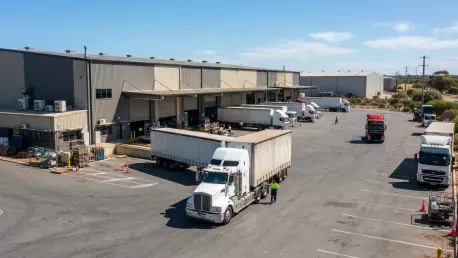
The industrial sector currently stands as the most robust pillar of the Western Australian commercial landscape, primarily due to a combination of chronic land shortages and the escalating costs associated with new construction. These supply-side constraints have created a highly competitive environment for existing warehousing and logistics spaces, pushing median sale rates up by approximately 13.5 percent year-on-year to reach roughly $3,449 per square meter. Data from the first half of 2026 suggests that this momentum is not merely a temporary spike but a reflection of deep-seated demand for functional industrial footprints near key transport hubs. As replacement costs for modern facilities continue to rise, established assets gain intrinsic value, making them highly attractive to institutional and private investors alike. The premium placed on these properties reflects their role in the modern supply chain, where efficiency and location are paramount for operational success in an increasingly digital economy.
A fascinating divergence is currently unfolding within the retail sector, where performance is dictated by the specific sub-type of the asset rather than general consumer spending. Freestanding retail properties, particularly those anchored by essential services such as medical clinics, pharmacies, and quick-service food outlets, are experiencing a surge in demand. These assets have seen yields compressing to an average of 4.4 percent, while traditional shopping centers witness more moderate growth and expanding yields of 5.7 percent. The resilience of freestanding properties stems from their ability to cater to non-discretionary needs, ensuring consistent foot traffic regardless of broader economic sentiment. This convenience-based model has proven to be a defensive powerhouse in many portfolios, offering a buffer against volatility. Investors are now identifying these assets as vital components of a stable strategy, requiring meticulous analysis of demographic shifts and local catchments.
Strategic Asset Management and Market Outlook
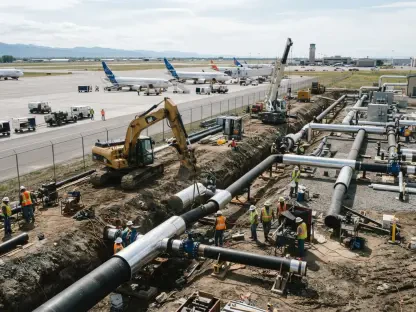
One of the most significant factors shaping the current market is the persistent bottleneck in the development pipeline caused by elevated construction costs and labor shortages. These hurdles have made it increasingly difficult for new projects to reach financial feasibility, effectively capping the supply of modern office and industrial stock. While this presents a challenge for developers, it creates a formidable moat for owners of existing, high-quality assets. With fewer new buildings entering the market, well-positioned properties that require minimal immediate capital expenditure have become exceptionally valuable. This supply-demand imbalance provides a level of protection for current landlords, as tenants have limited alternatives when seeking functional space. The resulting scarcity is driving rental prices upward and reinforcing the market position of established holdings. Investors who secured premium properties are seeing the benefits of a market where replacement value often exceeds current prices.
The Western Australian commercial landscape matured as the focus shifted toward proactive stewardship and the recognition of supply-side limitations. Those who adapted to the changing dynamics of the market recognized that the quality of a tenant’s business model was just as important as the physical location of the building itself. Actionable steps taken by leading firms included the implementation of more flexible lease structures and the integration of essential services to enhance stability. This period of market adjustment proved that sustainable value was built on the intersection of strategic acquisition and disciplined operational management. Looking ahead, future considerations centered on future-proofing assets against technological shifts, ensuring that commercial holdings remained relevant in an ever-changing economic landscape. The focus on management excellence established a new benchmark for success that transcended traditional metrics and favored a more holistic approach to growth and wealth preservation.