
Philadelphia officials have designed the upcoming residential facility to include specialized technology for individuals with significant visual or hearing impairments. This ambitious initiative, representing a twenty-seven million dollar investment, officially commenced with a ceremonial groundbreaking in the Sharswood section of North Philadelphia. As the city grapples with a tightening housing market and an increasing demographic of older adults, the Philadelphia Housing Authority has prioritized this development to ensure that long-term community members are not displaced by rising costs. The project, known as the Dwight Evans Senior Residences, occupies a strategically selected site at 20th Street and Cecil B. Moore Avenue, which was previously acquired through the municipal eminent domain process. By transforming this land into a vibrant residential hub, the city aims to continue a revitalization strategy that has been carefully unfolding over the past decade to stabilize the local economy.
Modern Infrastructure for Aging in Place
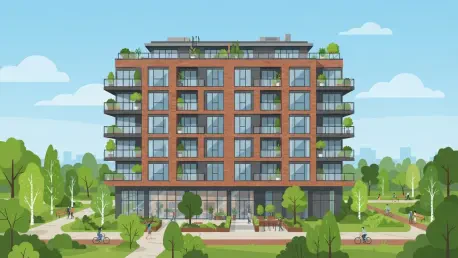
The architectural blueprint for this six-story structure emphasizes both comfort and long-term sustainability for its future residents. Each of the sixty-three one-bedroom apartments is specifically reserved for low-income seniors aged sixty-two and older, addressing a critical gap in the regional social safety net. To ensure that financial barriers do not preclude eligibility, the rent structure is strictly capped at thirty percent of a tenant’s adjusted monthly income. The remaining operational costs and rental balances are subsidized through long-term commitments from the U.S. Department of Housing and Urban Development. This financial model provides a rare sense of security for vulnerable seniors who have spent years navigating the uncertainties of the private rental market. Furthermore, a quarter of the total housing stock is intentionally designated for individuals who have previously experienced homelessness or are living with physical disabilities, fostering a truly inclusive environment.
Beyond the fundamental provision of housing, the development integrates a comprehensive suite of on-site support services designed to enhance the quality of life for its inhabitants. Recognizing that isolation is a significant risk for the elderly, the facility includes a modern adult day care program that promotes social interaction and cognitive health. Dedicated transportation assistance will also be available, ensuring that residents can maintain their independence by easily attending medical appointments and accessing local amenities. These services are vital for enabling residents to age in place with dignity, rather than being forced into institutionalized care settings prematurely. State and local officials have noted that such integrated facilities are the cornerstone of modern urban planning, as they reduce the strain on public emergency services by providing a supervised and supportive living environment. This holistic approach reflects a shift toward viewing housing as a platform for health.
Strategic Partnerships and Urban Revitalization
The realization of this project is the result of a coordinated effort between public agencies and private sector partners, spearheaded by the development firm Frankel Enterprises. Funding for the twenty-seven million dollar venture was secured through a sophisticated layering of Philadelphia Housing Authority capital and low-income housing tax credits. These tax credits are a critical mechanism, as they legally mandate that the units remain affordable for several decades, protecting the building from the pressures of neighborhood gentrification. Construction activities are currently slated to proceed over a period of fifteen to eighteen months, with a projected completion date that aligns with the city’s broader housing production goals for the 2026 to 2028 window. By utilizing these diverse financial instruments, the city can deliver high-quality, modern housing that would otherwise be unfeasible in a high-cost construction environment. This collaboration serves as a blueprint for future North Philadelphia developments.
The building was named in honor of U.S. Representative Dwight Evans, whose retirement followed a career dedicated to securing urban development funds for the city. Throughout his tenure, Evans remained a steadfast advocate for the stabilization of North Philadelphia’s social and economic landscape, making this project a fitting tribute to his legislative legacy. Stakeholders viewed the groundbreaking as more than just a construction start; it represented a vital intervention in the city’s ongoing efforts to provide permanent solutions for housing insecurity. Future considerations for regional developers involved the integration of similar digital health monitoring tools to expand independent living options. By analyzing the success of this project, city officials identified that prioritizing high-density, age-restricted zones effectively mitigated the impact of rising property taxes on fixed-income residents. This initiative demonstrated that the intersection of compassionate design and fiscal strategy established a sustainable path for urban renewal.