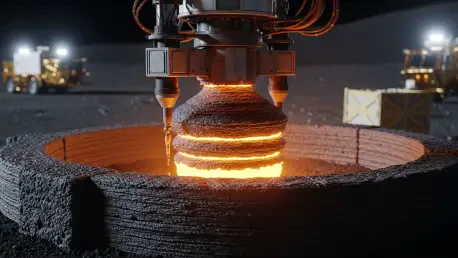
Expanding beyond low Earth orbit requires more than just high-performance rockets; it demands a fundamental shift in how humanity perceives extraterrestrial construction and logistics for long-term survival. Humanity no longer views the lunar surface as a destination for brief scientific excursions

The catastrophic structural fire at Pinecrest Manor in New Westminster recently transformed a quiet afternoon into a desperate struggle for survival, leaving 150 residents completely displaced and an entire neighborhood grappling with the sudden loss of stability. The blaze was so intense that it
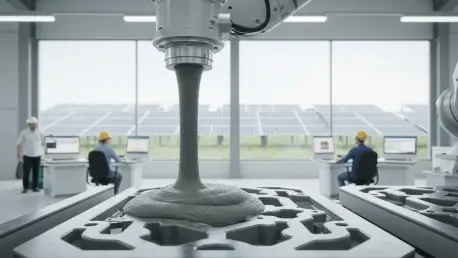
Standing at the threshold of a second century, O&G Industries represents the enduring strength of the American construction sector through its evolution from a modest 1923 startup into a premier national contractor with nearly a billion dollars in annual revenue. Based in Torrington, Connecticut,
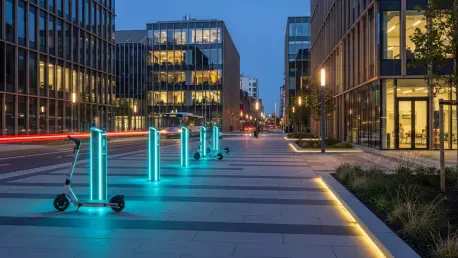
The massive redevelopment of Portsmouth’s northern city center represents a pivotal shift in how mid-sized coastal hubs reconcile their industrial heritage with the demands of a modern, tech-driven economy. For decades, the area once dominated by the Tricorn and later the Cascades shopping center

Construction projects today function within a high-stakes environment where a single month of slippage can erode the profit margins of an entire multi-year venture. The current landscape is defined by labor constraints and shifting interest rates, making it impossible to treat schedule delays as
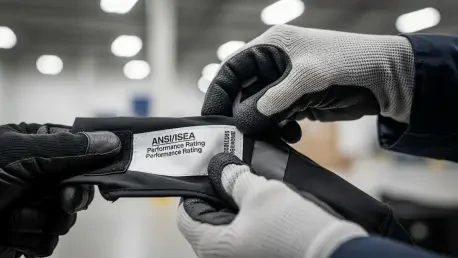
A construction worker entering a high-risk job site today might believe that every piece of equipment they wear offers the highest possible level of protection simply because it bears a regulatory approval stamp. This assumption, while understandable, often masks a dangerous reality where personal