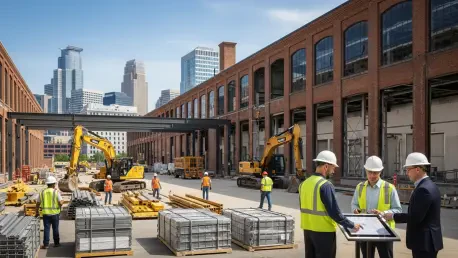

Dan McConnell serves as the business manager for the Minneapolis Building and Construction Trades Council, a pivotal role in which he represents the interests and livelihoods of approximately 20,000 unionized construction workers across Minneapolis and its surrounding areas. With a deep personal history in the trades—having grown up in the city, attended its public schools, and built a middle-class life through a registered apprenticeship—McConnell is a fierce advocate for combining technological progress with rigorous labor and environmental standards. He sits at the center of the current debate over data center development in Minnesota, arguing that the state’s future depends on its ability to modernizing infrastructure while protecting the natural resources that define the region. Through his leadership and involvement with national labor movements, he emphasizes that the transition to an AI-driven economy must be built on a foundation of transparency, community accountability, and family-sustaining careers.
Data centers require significant water and energy resources to operate effectively. What specific utility oversight mechanisms can ensure these facilities remain sustainable without burdening local residents or small businesses?
It is essential to recognize that Minnesota already possesses a robust framework for utility oversight, but we must be proactive in applying it to these massive infrastructure projects. We have a growing system designed to ensure that large-scale energy users pay the full costs they create, rather than shifting that financial weight onto the shoulders of local families and small neighborhood businesses. This involves a coordinated effort between utility providers and state regulators to ensure that infrastructure impacts and energy consumption are planned for years in advance. For example, by utilizing locations like the parcel near the Xcel Sherco coal-fired power plant in Becker, we can leverage existing energy corridors while ensuring new developments contribute their fair share to the system’s maintenance. Our goal is to maintain one of the cleanest and most reliable energy systems in the country by setting clear expectations for resource conservation and ensuring that data centers operate under the same strict environmental reviews that any other major industrial project would face.
With the rise of AI and digital infrastructure, how can we ensure that this technological boom directly benefits the local workforce and creates long-term career paths?
The labor movement is very clear on this: if these facilities are going to be a part of our landscape, they must be built, operated, and maintained with union labor to ensure the highest standards of safety and quality. During the AFL-CIO’s 30th constitutional convention right here in Minneapolis, delegates representing over 15 million working people nationwide gathered to adopt a resolution that recognizes data centers as critical infrastructure. This resolution wasn’t just about acknowledging technology; it was a call for strong labor standards and the creation of pathways into registered apprenticeship programs. By tying development to these programs, we are not just hiring people for a single project; we are creating the next generation of the middle class who will build lives here just as I did. These are family-sustaining careers that offer health benefits and retirement security, ensuring that the wealth generated by the digital economy stays within our local communities rather than being siphoned off elsewhere.
Many people envision data centers as sprawling suburban campuses, but you’ve mentioned their potential in urban centers. How can repurposing downtown vacancies stabilize the local economy?
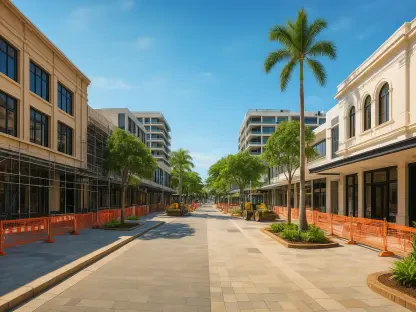
This is a particularly vital conversation for Minneapolis right now, as we face significant challenges with downtown vacancies and declining commercial property values. Many of the proposed projects in our city are not about breaking ground on pristine green space, but rather about the responsible redevelopment of underused or empty buildings that would otherwise sit as hollow shells. By modernizing these structures to house data centers and AI infrastructure, we can stabilize the tax base and generate the public revenue needed for our schools and parks. This brings a second life to our urban core, supporting nearby local businesses and creating a ripple effect of economic activity in areas that have been struggling since the shift in office culture. It is a strategic way to revitalize downtown without giving developers a blank check, as these projects must still come with meaningful community benefits and transparency.
There is often a fear that strict environmental or labor standards will drive investment away to other regions. Why do you believe Minnesota should double down on these rules rather than loosening them?
Blocking development or lowering our standards does not stop the tide of technological change; it simply exports our opportunities to states with much weaker protections for workers and the environment. If we retreat from these complex questions because they are difficult, we lose the tax revenue, the jobs, and the ability to dictate how these facilities impact our world. Minnesota has always moved forward by choosing collaboration over division, and we should insist that innovation comes with a high degree of responsibility and accountability. We have some of the best-trained workers in the world and a history of environmental stewardship, which makes us the ideal place to set a national standard for what responsible development looks like. Strong standards do not block good projects; they act as a filter that ensures only the most sustainable and community-focused investments take root in our soil, protecting our lakes and neighborhoods for the next generation.
What is your forecast for the future of Minnesota’s role in the national digital infrastructure landscape?
I believe Minnesota is on the verge of becoming the national leader in responsible, high-standard data center development because we refuse to treat economic growth and environmental protection as a binary choice. My forecast is that we will see a surge in specialized construction projects that transform our aging infrastructure into a backbone for the modern digital economy, all while maintaining the integrity of our natural resources. As we continue to integrate union labor and registered apprenticeships into these high-tech builds, we will demonstrate to the rest of the country that you can have a thriving tech sector that also supports a strong, inclusive middle class. By working together—labor, government, and the community—we will build a future that is not only cleaner and more technologically advanced but one that remains deeply rooted in the well-being of the working people who call Minnesota home.