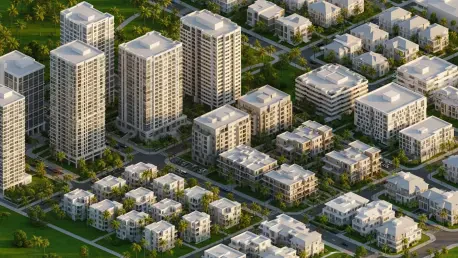

Behind the glittering skyline of Honolulu and the massive highway improvements stretching across O‘ahu lies a fiscal paradox that highlights a record-breaking $2.09 billion in construction spending alongside a dwindling supply of actual homes for local families. While the ledger indicates a flourishing industry, the second-strongest first-quarter performance in a decade serves as a hollow victory for residents. The economic engine is roaring, yet it appears to be steering away from the neighborhoods where people actually live and work.
This surge in capital creates a deceptive image of prosperity that masks a deepening disconnect between state output and basic human needs. As the balance sheets grow, the ability of the average family to find an affordable roof continues to shrink. This fiscal growth serves the machinery of the state, but it fails to address the underlying social erosion caused by a lack of accessible inventory.
A Two-Billion-Dollar Quarter That Leaves Residents Behind
The start of the year saw an explosion in spending that reached levels rarely seen in the previous decade, yet the benefits of this “gold rush” remain largely out of reach for the local population. Total construction spending surged past the $2.09 billion mark, signaling a robust recovery for the industry as a whole. However, this wealth is concentrated in sectors that do not translate into bedrooms or front doors for the people of the islands.
While the figures suggest a healthy market, the reality for residential development is increasingly bleak. The disconnect between top-line revenue and housing availability is widening, raising significant concerns about who this economic boom actually serves. Without a pivot toward residential security, the massive investments in the state risk building a world that the current workforce can no longer afford to inhabit.
The Growing Chasm Between Public Projects and Private Housing Needs
Current momentum is built almost entirely on the foundation of public works rather than the construction of new communities. This creates a precarious environment for a state currently facing a staggering shortage of 64,000 housing units. While massive infrastructure investments keep the broad economy afloat, the private residential sector is in a visible retreat, leaving the most vulnerable populations without viable options for long-term living.
Spending on single-family and multi-family homes dropped by hundreds of millions of dollars, with the private sector falling from $1.17 billion to just $857 million in a single quarter. This transition from building homes to building highways highlights a trend where public utility is prioritized over the immediate necessity of affordable living spaces. The retreat of private developers from the residential market suggests that the current regulatory and economic climate is hostile to the very growth the state needs most.
Dissecting the Geographic Shift in Hawaii’s Development Landscape
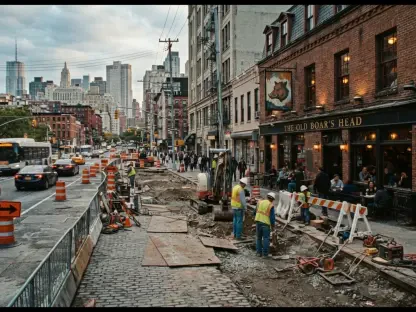
The concentration of wealth is heavily skewed toward O‘ahu, which claimed $1.62 billion of the total spending through large-scale highway and transit initiatives. This dominance leaves the neighbor islands to navigate a more fragmented and challenging reality. On Maui, for instance, multi-family housing growth has stalled, leaving many residents in a state of uncertainty following recent environmental and economic pressures.
In contrast, Kaua‘i has focused its limited resources on small-scale, high-impact projects like the Uahi Ridge development. This initiative aims to manage low-income housing needs by providing 154 affordable rental units, though it remains a drop in the bucket compared to the statewide demand. Meanwhile, Hawaii County remains focused on essential infrastructure upgrades, such as wastewater systems, illustrating how the current boom is localized and largely detached from the urgent need for new residential permits.
Labor Force Resilience and the Expert Call for Diversification
Research from the University of Hawaiʻi Economic Research Organization identifies the construction sector as a vital economic pillar, currently supported by a robust workforce of over 41,000 professionals. This labor force provides the backbone for the state’s infrastructure, yet their own housing security remains in jeopardy. Industry experts warn that relying solely on public infrastructure is a short-term fix that fails to solve the long-term social problem of outward migration.
The consensus among economists is that without revitalizing the stagnant renewable energy and residential sectors, the state risks a severe economic imbalance. A workforce that builds roads but cannot afford a home will eventually seek stability elsewhere. Maintaining labor stability requires a diversified approach that ensures the people building Hawaii’s future have a permanent place within it, rather than being priced out by the very projects they complete.
Actionable Reforms to Align Economic Vitality with Affordable Living
To turn record-breaking spending into tangible housing results, policymakers implemented specific strategies that targeted the high barriers to residential entry. They recognized that a major reduction in regulatory hurdles was necessary to accelerate the timeline for multi-family developments. By streamlining the permitting process, the state encouraged private developers to return to the market and focus on high-density living solutions.
Investments shifted toward the foundational infrastructure of new residential sites rather than just the maintenance of existing transit hubs. This transition provided the framework for transit-oriented development, which maximized land use in critical areas. These reforms aimed to bridge the gap between economic output and social necessity, ensuring that the construction boom finally delivered the homes that residents required for a stable future.