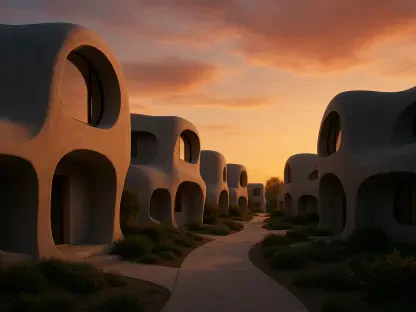

The intersection of high-end architectural design and the serene landscapes of private island living often results in structures that prioritize ostentation over harmony, yet the Caribbean retreat curated by country music legends Faith Hill and Tim McGraw stands as a definitive rebuttal to that common trend. Located in the Exumas, the twenty-acre enclave known as L’île d’Anges represents a meticulous ten-year endeavor to transform a rugged limestone outcrop into a sophisticated, multi-pavilion sanctuary. Rather than imposing a singular, monolithic mansion upon the terrain, the couple opted for a collection of eight distinct structures connected by thatched-roof breezeways and sprawling verandas. This specific configuration encourages a constant interaction with the tropical environment, where the boundaries between interior comfort and exterior beauty are intentionally blurred. Every design choice reflects a commitment to the “pod” style of architecture, ensuring that the natural topography remains the primary focus.
Structural Philosophy And Open-Air Living
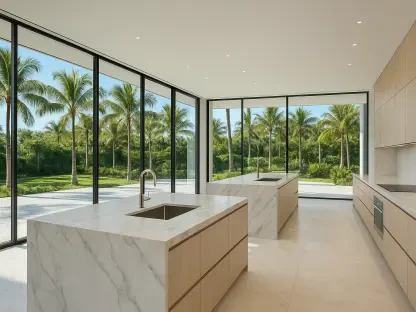
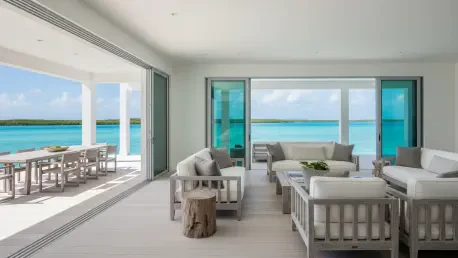
Building on this foundation of environmental integration, the internal architecture prioritizes a neutral materiality that mimics the surrounding beaches and rocky shorelines. The use of bleached ipe wood for flooring and white-washed cypress for ceilings creates a monochromatic palette that serves to amplify the vibrant blues of the Atlantic Ocean and the Exuma Sound. Large-scale sliding glass doors are a central feature, allowing the living spaces to transition from enclosed retreats to open-air galleries within seconds. This flexibility is essential in a climate where trade winds can provide natural cooling, reducing the reliance on mechanical ventilation systems. The furniture follows a similar ethos, utilizing Belgian linens and weathered textures that feel organic rather than manufactured. By selecting materials that age gracefully in the presence of salt air and high humidity, the residence avoids the sterile aesthetic common in many modern luxury developments.
Moreover, the logistical execution of such a project required a departure from traditional mainland construction techniques to accommodate the island’s isolation. Since every beam, tile, and appliance had to be barged in from Nassau or the United States, the planning phase involved rigorous coordination between architects and local environmental agencies. The property functions as a self-sufficient ecosystem, utilizing advanced water desalination plants and solar arrays that are subtly integrated into the landscape to minimize visual impact. This emphasis on infrastructure ensures that the luxury experience is not compromised by the remote location, while simultaneously protecting the delicate marine environment of the Bahamas. The deliberate placement of the pavilions along the high points of the island also serves a functional purpose, providing natural protection against storm surges and enhancing the panoramic views that define the living experience for the owners and their guests.
Strategic Implementation Of Private Enclaves
The success of the Hill-McGraw estate offers a significant blueprint for the evolution of high-net-worth real estate strategies as the market moves further into 2026. There is a growing demand for properties that offer total seclusion without sacrificing the conveniences of a primary residence, leading to an increase in customized island developments across the Caribbean. Investors are increasingly looking for turnkey solutions that incorporate sustainable technologies and resilient building materials capable of withstanding the changing global climate. This shift is driving a new standard in the luxury sector where value is determined by privacy, environmental stewardship, and the ability to disconnect from the digital world. Architects are now prioritizing “deconstructed” floor plans that distribute living spaces across a landscape rather than clustering them into a single footprint. This approach provides a sense of discovery and varied perspectives that a traditional home cannot replicate.
In conclusion, the development of this coastal masterpiece established new benchmarks for how high-profile individuals approached residential design and land management. The project demonstrated that luxury and ecological sensitivity were not mutually exclusive concepts when executed with a long-term vision. Developers who adopted these principles found that utilizing local artisans and sustainable materials significantly increased the longevity and prestige of their projects. The emphasis shifted toward creating sensory experiences—such as the feeling of sand underfoot or the sound of the ocean through a breezeway—rather than relying on gold fixtures or grand entryways. Ultimately, the lessons learned from this island retreat provided a framework for future coastal developments to prioritize harmony with nature. Those who followed this path successfully balanced the requirements of modern living with the timeless allure of the natural world, ensuring that their properties remained relevant and resilient for decades to come.