
The transformation of the contemporary backyard into a sophisticated extension of the primary living space reflects a growing desire for residential environments that prioritize holistic well-being and functional versatility. Rather than treating the outdoor area as a secondary or purely decorative zone, modern homeowners are beginning to understand that a successful landscape must function as a seamless continuation of the home’s internal architecture. This evolution requires a shift in perspective, moving away from impulsive aesthetic choices toward a strategic design process that considers the ecological context and the specific daily rhythms of the occupants. By viewing the property as a unified ecosystem, it is possible to create a sanctuary that fosters a biological connection to nature while providing the practical infrastructure necessary for high-quality outdoor living. Achieving this balance involves a deep understanding of spatial dynamics, material selection, and the long-term environmental impact of each design decision, ensuring the resulting space remains both beautiful and resilient over many years.
Overcoming Conceptual Planning Errors
Establishing Architectural Continuity Between Indoor and Outdoor Spaces
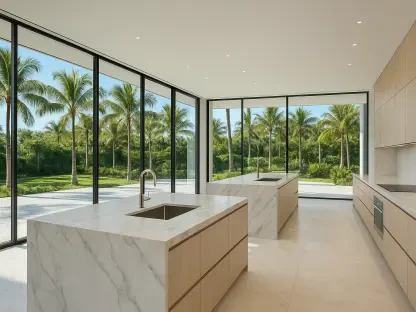
One of the most frequent errors in landscape development involves creating a significant disconnect between the home’s interior design and the exterior environment, leading to a fragmented property experience. When the materials, color palettes, and stylistic cues of the backyard do not echo the architectural language of the house, the transition between these spaces can feel jarring and uncoordinated. Establishing clear sightlines is a fundamental technique for overcoming this issue; by considering how the yard is perceived from key vantage points inside the home, designers can create a visual bridge that merges the two realms. Incorporating similar textures, such as stone pavers that complement the interior masonry or timber elements that match the indoor cabinetry, reinforces this sense of continuity. This approach ensures that the backyard does not feel like an isolated project but rather a natural progression of the home’s core identity, ultimately making the entire footprint of the property feel more expansive and thoughtfully curated for the residents’ enjoyment.
Moving Beyond Feature-First Design Methodologies
Homeowners often fall into the trap of prioritizing specific, high-visibility amenities—like elaborate fire pits or professional-grade outdoor kitchens—before establishing a fundamental plan for how the space will actually be utilized. This feature-first approach frequently results in a cluttered and inefficient layout where expensive installations serve as obstacles rather than enhancements to the daily routine. A more effective strategy focuses on identifying overarching functional goals, such as the need for a quiet reading corner or a flexible area capable of hosting large social gatherings, which then dictates the placement and scale of structural elements. By paring back the initial list of “must-have” items, residents can focus on the quality of the spatial experience rather than the sheer number of trendy features. This shift in focus allows the landscape to evolve organically around the human activities it is intended to support, creating a more purposeful environment that remains relevant and highly usable long after the novelty of specific tech-enabled outdoor gadgets has faded.
Building a Functional and Sustainable Landscape
Leveraging Negative Space to Enhance Circulation and Calm
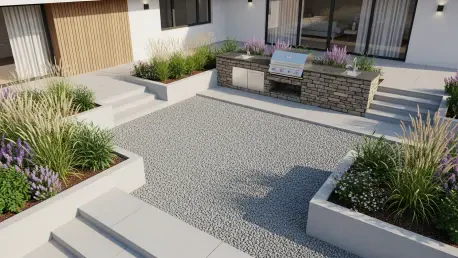
The impulse to fill every square foot of a backyard with gardens or structures can inadvertently create a sense of congestion that detracts from the intended restorative qualities of the outdoors. Professional designers emphasize the strategic use of negative space—open, undeveloped areas—as a critical tool for maintaining a sense of balance and allowing the landscape’s primary features to stand out. By intentionally preserving open zones, whether through minimalist lawns or simple gravel expanses, the eye is given room to rest, and the perceived scale of the yard is increased. This spatial discipline facilitates a more intuitive flow of movement, as distinct functional zones are separated by breathable transitions rather than rigid barriers. Utilizing structural greenery and soft pathways to guide circulation further organizes the environment without making it feel overly engineered or restrictive. The result is a harmonious layout that feels both spacious and intimate, providing a versatile backdrop for a variety of activities while maintaining a calm and inviting atmosphere.
Integrating Ecological Resilience and Regional Materiality
Sustainability and long-term viability are increasingly central to modern landscape planning, moving beyond simple aesthetics to address the biological needs of the local environment. A common pitfall is the selection of plant species based solely on visual appeal, often leading to a high-maintenance yard that struggles to survive in the local climate or soil conditions. By leaning into native vegetation and regional materials, homeowners can create a resilient ecosystem that requires fewer resources—such as water, fertilizers, and manual labor—to maintain its vitality. These choices not only ensure the landscape thrives naturally but also foster a sense of place that feels authentic to the surrounding geography. Furthermore, even within a limited budget, prioritizing multi-functional elements—like a retaining wall that serves as integrated seating or permeable paving that manages stormwater—can maximize the utility of every dollar spent. This commitment to ecological alignment results in an outdoor environment that is not only beautiful and durable but also works in tandem with the land’s natural processes.
Developing a Strategic Framework for Outdoor Environments
The most successful transitions into integrated outdoor living were achieved when homeowners moved beyond superficial trends to focus on the underlying structural and biological health of their properties. It was consistently found that those who conducted a preliminary analysis of their site’s environmental constraints—such as sun exposure and drainage patterns—avoided the costly replanting efforts that plagued more impulsive projects. To move forward, the family’s specific needs were prioritized by mapping out intended daily activities before any physical construction commenced. This data-driven approach allowed for the selection of regional materials and native plants that ensured the landscape remained self-sustaining and aesthetically cohesive with the home’s architecture. Seeking advice from local specialists helped refine these plans into a durable blueprint that respected both the budget and the surrounding ecosystem. Ultimately, by treating the backyard as a vital, high-functioning component of the living environment, residents established a lasting sanctuary that offered profound restorative benefits and ecological value.