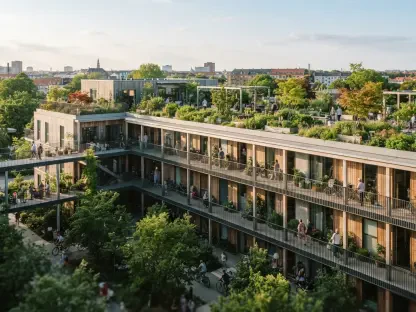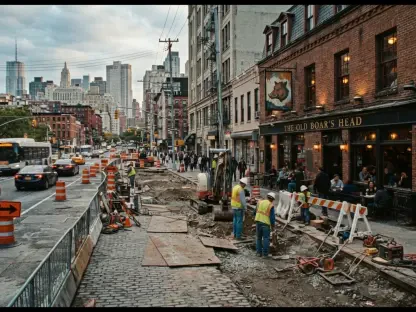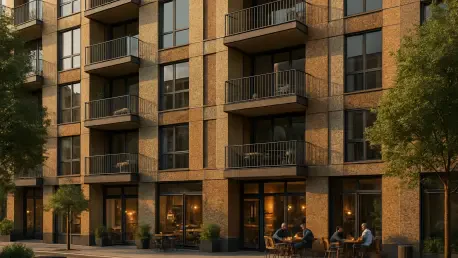

While traditional urban planning often struggles to keep pace with the nomadic nature of a modern workforce, the Durham City Council recently sanctioned a monumental shift in its spatial strategy by approving a significant residential and commercial complex tailored for the university population. This decision addresses a long-standing deficit in available beds for the local university community while simultaneously revitalizing an underutilized corridor that has struggled to keep pace with modern infrastructure requirements. By integrating hundreds of high-density residential units with approximately twenty thousand square feet of ground-floor retail space, the project aims to create a self-contained ecosystem that reduces the reliance on external vehicular transportation. Local planners emphasized that the approval process involved rigorous scrutiny of the environmental impact reports and traffic mitigation strategies to ensure the new structure integrates seamlessly into the existing neighborhood fabric.
Sustainable Infrastructure: Modern Urban Integration
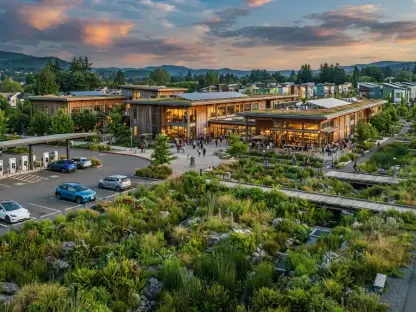
The technical specifications of the project highlight a commitment to smart building technologies and energy efficiency that exceeds current municipal standards for high-rise developments. Specifically, the residential components will utilize advanced climate control systems linked to a central AI-managed grid that optimizes energy consumption based on occupancy data. The inclusion of extensive green roofing and permeable paving materials will significantly mitigate the urban heat island effect and manage stormwater runoff more effectively than previous local housing projects. Beyond the environmental benefits, the project introduces a dedicated transit hub designed to facilitate the use of electric shuttles and micromobility options. This focus on multimodal transportation ensures that the influx of new residents does not overwhelm the existing road network, fostering a more walkable environment. The architectural design incorporates solar-harvesting glass, setting a new benchmark for regional construction.
Strategic Implementation: Economic and Social Impacts
City officials and private developers collaborated to establish a framework that prioritized long-term community benefits over immediate profit margins. The final approval paved the way for a series of community-led workshops where residents provided input on the selection of local businesses for the retail segments. To ensure the success of this initiative, the planning department recommended the implementation of a phased occupancy schedule to manage the initial surge in foot traffic. They also suggested that neighboring municipalities adopted similar mixed-use zoning models to alleviate regional housing shortages. Investment in public-private partnerships emerged as the primary mechanism for funding the necessary upgrades to the local power grid and fiber-optic networks. By focusing on high-density solutions, the city successfully demonstrated that academic expansion could coexist with the preservation of green spaces. Stakeholders emphasized maintaining this momentum required zoning reviews.