
Luca Calarailli is a veteran of industrial design and large-scale infrastructure, bringing a wealth of knowledge on how complex architectural visions are translated into physical reality. With a career dedicated to the intersection of technological innovation and structural engineering, he has become a key voice in analyzing the modernization of the American energy landscape. As the Department of Energy moves to provide massive financial support for the next generation of nuclear power, Calarailli’s insights into the logistical and construction hurdles of these massive facilities offer a unique look at the future of the domestic grid.
How do these $17.5 billion in federal loans change the game for construction timelines and the procurement of complex components?
This massive financial injection specifically targets “long-lead items,” which include the most complex components of a nuclear plant, such as reactor pressure vessels, steam generators, and reactor coolant pumps. By providing $17.5 billion in conditional loans through the Office of Energy Dominance Financing, the government is effectively allowing companies to bypass the usual procurement bottlenecks that stall these projects for years. From my perspective in construction and design, being able to make bulk purchases of these LLI components, including prefabricated structural modules, allows us to transition toward a fleet-scale industrial model rather than building each plant as a bespoke, one-off project. This strategic move is intended to support five specific projects to deploy 10 large-scale commercial reactors within a remarkably short three-year window. It creates a sense of momentum in the industry, finally addressing the “nuclear renaissance” with the cold, hard capital needed to move steel and pour concrete at scale.
Why is the partnership with Westinghouse so central to this initiative, and how does the equity requirement impact project viability?
Westinghouse is the linchpin of this entire program because its AP1000 pressurized water reactor is currently the only U.S.-licensed, large-scale advanced nuclear reactor operating in the country. To qualify for these loans, utilities must partner with Westinghouse, creating a standardized approach that reduces the technical risks and design uncertainties that often plague new energy infrastructure. The financial structure is equally rigorous; for each of the five potential loans, Westinghouse and its utility partners must commit approximately $1 billion in project equity upfront before they can even access the federal funds. This “skin in the game” ensures that these partnerships are deeply committed to the eventual generation of 11 gigawatts of new, firm baseload electricity. It is a calculated move to ensure that American energy interests are both technically sound and fiscally disciplined as we build for the next century.
Can you explain the broader impact on the domestic supply chain and how sourcing from 100 companies across 40 states revitalizes the industrial base?
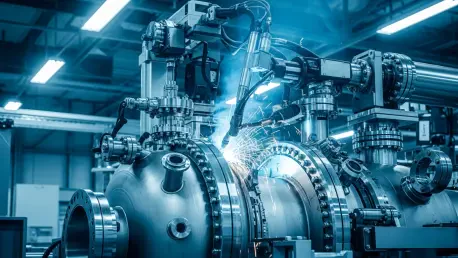
This initiative is a powerful catalyst for the American industrial base, as it projects spending on nuclear components across more than 100 domestic companies located in 40 different states. By decentralizing the manufacturing of these components, we are essentially turning the entire country into a massive assembly line for clean energy, which revitalizes local economies and creates thousands of high-quality jobs. The sensory experience of a busy factory floor—the smell of ozone, the hum of precision machinery—is becoming a reality again in communities that haven’t seen this level of investment in decades. This approach not only secures our supply chain but also ensures that the specialized skills required for nuclear manufacturing remain a core part of the American workforce. It’s about more than just power; it’s about rebuilding the industrial muscle required to support advanced manufacturing and artificial intelligence.
How does this pivot toward Energy Dominance Financing reflect a shift in national priority, particularly regarding the grid and existing nuclear restarts?
The restructuring of goals under the Office of Energy Dominance Financing shows a clear shift toward fostering domestic production across six priority sectors, including geothermal power, critical minerals, and electrical transmission. Last year alone, we saw $2.6 billion closed for priority projects, including a $1 billion loan to Constellation Energy to restart the Crane Clean Energy Center, formerly known as Three Mile Island. Parallel to this, $1.6 billion was directed to American Electric Power to rebuild 5,000 miles of transmission lines across states like Indiana, Michigan, and West Virginia to improve grid resilience. This holistic strategy recognizes that generating power is only half the battle; we must also have the infrastructure to move that energy to where it is needed most. These projects align with the broader goal of reinvigorating the nuclear industrial base, aiming to have 10 new reactors under construction by 2030.
What is your forecast for American nuclear power?
I believe we are standing on the threshold of a period where nuclear energy will once again serve as the bedrock of American industrial stability and innovation. As we move toward the 2030 goal of having complete designs for 10 new reactors under construction, we will see a significant stabilization in energy costs and a massive boost in our baseload capacity. This will provide the reliable, firm power necessary to sustain our leadership in high-tech industries that require immense amounts of electricity, such as AI and advanced robotics. The transition to fleet-scale nuclear construction will likely lead to even more cost savings as we refine our manufacturing processes and strengthen our domestic supply chains. Ultimately, this isn’t just an energy policy; it is a blueprint for a more resilient and economically dominant nation for the next hundred years.