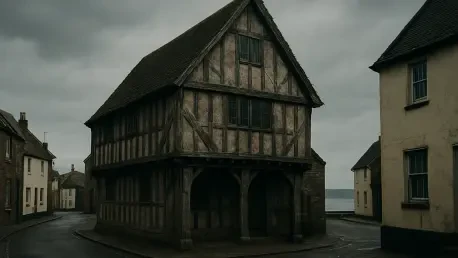

Concerns over traffic congestion and a lack of adequate parking for a sixty-person facility contributed to the rejection of the latest Bude planning application. This decision brings a temporary halt to a long-standing debate regarding the future of the Masonic Lodge in Bude, a structure that has stood as a local landmark since its initial assembly in approximately 1912. Originally a prefabricated timber-framed building from Week St Mary, the hall represents a unique era of architectural history, though it now faces the inevitable decline associated with century-old construction methods. The Freemasons argued that the facility has reached its natural end, citing astronomical heating costs and poor insulation as primary drivers for the redevelopment. The proposed project was not merely about demolition but about survival, seeking to replace the aging hall with a modern, energy-efficient mixed-use complex that would balance the organization’s charitable mission with contemporary residential needs. Over the years, several lean-to extensions were added to the original frame, but these temporary solutions have failed to address the underlying structural inefficiencies that make the building a liability in a modern economic climate.
Strategic Design: Integrating Residential and Social Infrastructure
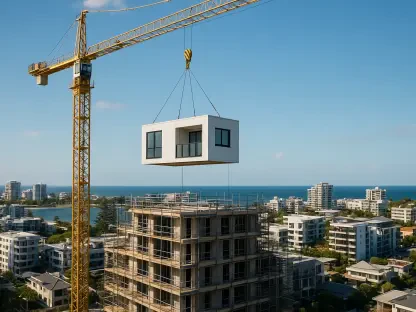
The central premise of the redevelopment revolved around creating a financially self-sustaining model for the local Masonic organization. As a significant charitable entity, the group sought to leverage the site’s value by constructing four high-quality residential apartments above a newly designed ground-floor lodge. This strategy was intended to provide the necessary capital for construction while ensuring the organization could continue its philanthropic work without being drained by the maintenance of a decaying asset. By integrating residential units into the plan, the applicants aimed to contribute to the local housing stock, offering a modern living solution in a sought-after area of Bude. This approach reflected a growing trend in urban planning where heritage sites are reimagined as multi-functional spaces to ensure their continued relevance. The design emphasized sustainability, utilizing advanced materials and construction techniques that would drastically reduce the carbon footprint compared to the existing 1912 timber structure.
Beyond the private functions of the Masonic Lodge, the proposal included a significant public-facing component designed to increase the building’s utility for the wider community. The ground floor was slated to feature a sophisticated catering and dining area available for public hire, effectively opening up a space that had historically been restricted to private members. This element was positioned as a major community benefit, transforming a single-use site into a vibrant social hub that could host events, meetings, and local gatherings. The inclusion of landscaped amenity spaces and allocated parking was intended to integrate the development seamlessly into the existing streetscape while providing high-quality outdoor areas for both residents and visitors. By offering these shared facilities, the developers hoped to demonstrate that the new building would serve as more than just a private hall or a residential block. It was presented as a catalyst for local social engagement, providing a modern venue that the town currently lacks in its immediate vicinity, thereby fostering a sense of community.
Planning Constraints: Heritage Preservation and Environmental Risks
The announcement of the project immediately sparked a robust debate within Bude, highlighting a deep-seated tension between the push for modernization and the desire to protect architectural history. Supporters of the scheme argued that the current hall is an eyesore that does not reflect the town’s vibrant character and that its replacement is long overdue. They pointed out that many of the surrounding buildings have already transitioned to more contemporary or larger scales, suggesting that the four-story proposal was consistent with the evolving skyline of the area. These proponents emphasized that the Freemasons had made a genuine effort to incorporate aesthetic elements that echoed the local environment, such as the use of specific materials and textures found in nearby successful developments. For this group, the project represented progress and a necessary evolution of a site that had become a burden. They viewed the rejection as a missed opportunity to revitalize a prime location and provide much-needed residential capacity alongside updated community facilities.
Ultimately, the refusal of the Bude Masonic Hall redevelopment illustrated the rigorous standards applied to projects within sensitive historic districts. Cornwall Council’s decision prioritized the long-term visual integrity of the resort town over the immediate financial requirements of a local charitable institution. This outcome provided a significant precedent for future urban planning, suggesting that densification and modernization must be achieved through more sympathetic architectural responses. Stakeholders recognized that while the 1912 structure faced legitimate maintenance challenges, the proposed four-story solution was not the appropriate remedy for this specific location. Moving forward, the organization looked toward alternative preservation strategies or more modest designs that could bridge the gap between financial sustainability and heritage protection. The case highlighted the ongoing necessity for early engagement with conservation officers to ensure that new developments enhance the unique character of coastal towns. By rejecting the plan, the local authority reaffirmed its commitment to maintaining the historical hierarchy of the skyline.