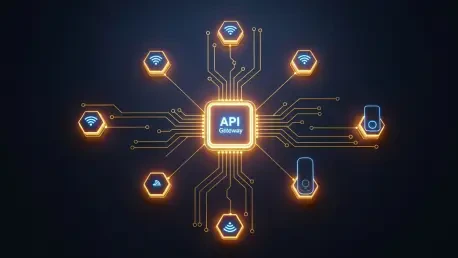

The recent announcement that Samsung plans to implement a subscription-based model for accessing its SmartThings Application Programming Interface marks a significant departure from the open-access philosophy that previously defined the smart home industry. For years, the SmartThings platform thrived by offering a low barrier to entry for developers and enthusiasts who sought to integrate various disparate devices into a single, cohesive ecosystem without the burden of recurring overhead costs. This shift suggests that the era of subsidizing cloud infrastructure for third-party integrations is rapidly coming to an end as the volume of data processed by these services reaches unprecedented levels. While the core functionality of the hardware remains intact for the average consumer, those who rely on advanced automation scripts, custom drivers, or large-scale commercial deployments are now facing a new financial reality. This move reflects a broader trend among technology giants to monetize their back-end services as they transition from hardware-focused sales to service-oriented recurring revenue streams.
Economic Sustainability: The Cost of Cloud Infrastructure
Building on the foundation of earlier service models, the maintenance of high-availability cloud servers required to facilitate millions of instantaneous smart home interactions has evolved into a substantial financial commitment that hardware sales alone can no longer justify. In the current landscape, the complexity of data encryption and the necessity for low-latency response times have driven infrastructure costs to a point where a free-for-all access model is economically unviable. Samsung has determined that the revenue generated from device sales does not sufficiently cover the long-term operational expenses of hosting the SmartThings API for a global user base. By implementing a metered subscription service, the company ensures that those who place the highest demand on the system contribute proportionally to its upkeep. This approach reflects the broader software-as-a-service trend, where value is increasingly tied to the reliability of a digital backbone rather than just physical components.
This approach naturally leads to a significant hurdle for the independent developer community which has historically been a wellspring of creative solutions for the platform. Many specialized drivers and automation scripts that address unique consumer needs were developed by hobbyists who may not have the financial incentive to maintain their contributions under a paid model. If these developers withdraw their support, the richness of the SmartThings ecosystem could diminish, leaving users with a more standardized but less flexible set of tools. Consequently, this change forces a professionalization of the third-party market, where only developers with clear monetization strategies will remain active. While this might lead to a higher average quality of available integrations, it simultaneously risks alienating the enthusiast base that provided much of the early momentum for the brand. The challenge for Samsung lies in balancing the need for cost recovery with the preservation of innovation.
Strategic Transitions: Navigating the New Industry Standard
In contrast to the initial expectations surrounding the Matter protocol, the timing of this policy change highlights the persistent reliance on proprietary cloud services for advanced smart home features. While Matter facilitates local communication between devices, the heavy lifting of remote access, complex automation, and cross-platform logic still relies heavily on individual manufacturer clouds. Samsung is effectively positioning its API as a premium service that offers capabilities beyond the basic interoperability provided by universal standards. This strategy creates a distinct tier within the smart home market, where users must decide if the enhanced features of a specific ecosystem are worth the recurring monthly cost. Competitors are watching this transition closely, as it sets a precedent for how other major players might monetize their own infrastructure. This shift indicates that the industry is moving away from a free model toward a utility approach.
The implementation of paid API access eventually forced a necessary reassessment of how smart home systems were designed and deployed by both professionals and enthusiasts. To mitigate the impact of rising operational costs, architects of smart environments shifted their focus toward localized processing hubs that minimized the need for frequent cloud calls. This transition encouraged a more disciplined approach to automation, where efficiency in code and data transmission became the primary metrics for success. Developers who embraced these new constraints found that they could offer more stable services by relying on local networks for core functions while reserving paid API access for truly essential cloud-dependent features. For the consumer, the change prompted a more selective integration of devices, leading to a more reliable and secure home environment. Ultimately, the decision to charge for access provided the financial stability needed to modernize the underlying infrastructure.