
The industrial landscape is currently undergoing a massive transformation as domestic production requirements for high-quality American steel reach unprecedented levels across the nation. Lexicon, Inc. has responded to this surge by initiating a substantial $37.6 million expansion of its headquarters in Little Rock, Arkansas, signaling a shift toward more integrated and sustainable manufacturing practices. This project is far more than a simple corporate facility upgrade; it represents a comprehensive effort to synchronize physical capacity with a deep commitment to human capital and organizational heritage. By blending modern architectural advancements with a significant increase in heavy fabrication space, the company is positioning itself as a primary driver of industrial growth. This expansion serves as a blueprint for how established manufacturing firms can navigate the complexities of modern supply chains while maintaining a “people-first” culture that empowers every member of the workforce.
Scaling Facilities: Human Capital and Infrastructure
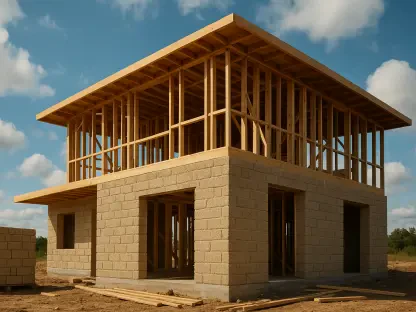
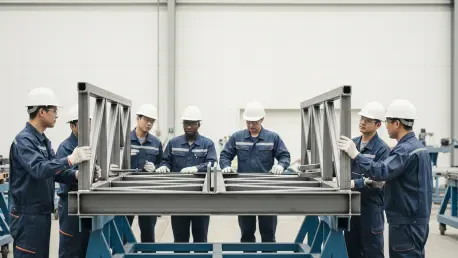
The physical transformation at the Port of Little Rock involves a strategic partnership with Nabholz Construction and Polk Stanley Wilcox Architects to deliver specialized infrastructure. A central feature of this development is the massive 46,000-square-foot addition to the existing fabrication shop, which provides the necessary floor space to handle the increasingly complex steel components required for modern infrastructure. Additionally, the project includes 5,000 square feet of renovated administrative space and a brand-new production facility designed to optimize the flow of materials from raw steel to finished product. These upgrades are not merely about square footage; they represent a fundamental modernization of the manufacturing process that allows Lexicon to scale its output without sacrificing the precision that its clients expect. By investing in such high-tier facilities, the firm ensures its ability to manage large-scale commercial and industrial projects with greater agility.
Equally important to the physical expansion is the deliberate investment in the professional development of the company’s internal workforce through the Lexicon University initiative. This training program is specifically designed to bridge the persistent skills gap in the heavy manufacturing sector by offering specialized education and pathways for career advancement within the organization. The expansion also incorporates a unique cultural element by including a replica of the office of founder Tom Schueck, alongside the Owner’s Café, a space that celebrates the firm’s identity as an employee-owned business. In this environment, workers are recognized as stakeholders who have a direct interest in the long-term success of the operation, which fosters a sense of accountability and pride. This focus on human capital ensures that the new machinery and facilities are operated by a highly skilled team that is fully aligned with the company’s foundational values and future goals.
Regional Growth: Economic Impact and Industrial Versatility
The economic ripples of this $37.6 million investment extend far beyond the company gates, acting as a catalyst for growth throughout the central Arkansas region and the Port of Little Rock. Local economic leaders have highlighted the project’s role in creating at least 60 high-skilled jobs, which strengthens the local labor market and reinforces the city’s reputation as a competitive industrial hub. By choosing to expand its existing footprint rather than relocating, Lexicon demonstrates a long-term commitment to the community while leveraging the superior logistics and transportation networks available at the port. This strategic location allows for the efficient distribution of steel products across North America, making the facility a critical node in the domestic supply chain. The influx of capital and professional talent associated with this expansion provides a stable economic foundation for the region, ensuring that Little Rock remains at the forefront of the American manufacturing resurgence.
Modernization of this scale provides the necessary backbone for Lexicon’s diverse portfolio of subsidiaries, which range from specialized bridge construction to heavy industrial maintenance. The enhanced capabilities of the fabrication shop directly benefit Prospect Steel, while the administrative upgrades support the logistical needs of specialized units like Heritage Links, which focuses on golf course construction. This versatility allows the company to pivot between different sectors of the construction and manufacturing industries, maintaining a steady pipeline of work regardless of fluctuations in specific market segments. By integrating these various services under a single, modernized headquarters, the firm achieves a level of operational efficiency that was previously unattainable. This integrated approach ensures that the company remains a versatile leader in the effort to rebuild American infrastructure, capable of delivering everything from intricate steel components to massive structural assemblies with speed and accuracy.
Manufacturing Evolution: Strategic Directions for the Industry
The decision to invest heavily in both physical assets and employee ownership structures provides a compelling case study for other firms seeking to navigate the evolving industrial landscape. In a market where labor shortages and supply chain disruptions are common, the “people-first” model integrated into this expansion offers a sustainable path forward by prioritizing retention and internal skill development. This approach suggests that long-term manufacturing success is not just a result of technological adoption, but also a product of corporate culture and community integration. As industrial projects become more complex from 2026 to 2029, the ability to maintain a dedicated and highly trained workforce will likely be the primary differentiator between industry leaders and those who struggle to keep pace. Lexicon’s model proves that localized investment can yield global competitive advantages by fostering an environment where innovation and tradition coexist, creating a resilient business structure.
Moving forward, industrial leaders recognized that the successful integration of advanced fabrication technology and workforce education was the most effective way to secure a competitive edge. The expansion project in Little Rock demonstrated that firms had to move beyond traditional manufacturing silos to embrace a more holistic view of production and employee engagement. Stakeholders realized that investing in local infrastructure and internal training programs provided the necessary agility to respond to shifting market demands while maintaining high quality standards. It became clear that the path to sustainable growth involved a deep commitment to the communities where these firms operated, ensuring that economic benefits were shared among all participants. By prioritizing these strategic pillars, the manufacturing sector established a new baseline for excellence. These initiatives offered a clear roadmap for organizations, emphasizing that heavy industry relied on a balanced combination of physical scale and human-centric innovation.