
During the final reveal of the property, the production team had to maintain a summer-ready appearance for the cameras despite a rare Florida cold snap with near-freezing temperatures. This logistical hurdle required creative lighting and wardrobe choices to ensure the televised segment matched the sunny expectations of an Orlando lifestyle. For the winner, Shirley Smith, a retired educator with decades of service, the cold weather was a minor detail compared to the magnitude of the announcement. She was chosen from a pool of over 100 million entries, a figure that underscores the massive popularity of these smart home initiatives. The residence she inherited is a testament to the seamless integration of modern convenience and aesthetic beauty, located in the heart of a city that has evolved into a central hub for technological innovation. This transition from a traditional Midwestern home to a high-tech Florida sanctuary marks a new chapter in her life, providing a foundation for a retirement filled with both luxury and peace of mind.
The Surprise Reveal: A Life-Changing Moment for a Dedicated Educator
The orchestration of the surprise involved months of planning, with family members and local coordinators working in secret to ensure the winner remained completely unaware of her new status. Shirley Smith believed she was visiting Florida to view a showcase of sustainable architecture, a subject she had always been passionate about during her teaching years. When the grand prize was announced, the reaction was a mixture of disbelief and profound gratitude, highlighting the life-altering potential of such events. This specific sweepstakes has become a cultural phenomenon, not just for the value of the prizes, but for the way it humanizes the rapid advancement of domestic technology. By awarding such a home to a retired teacher, the program demonstrates that sophisticated living is accessible and beneficial to individuals from all walks of life. The prize package also included a monetary sum designed to cover the property taxes and initial maintenance costs, ensuring the win is a blessing rather than a burden.
Beyond the initial shock of the win, the location of the residence offers a strategic advantage for a retiree looking to stay active and engaged with the community. Orlando has transformed significantly, moving from a tourism-heavy economy to a diversified center for aerospace, biotechnology, and simulation research. This specific neighborhood was selected for its proximity to world-class medical facilities and cultural institutions, which align with the needs of a modern homeowner. The property itself sits on a meticulously landscaped lot that utilizes indigenous flora to minimize water consumption while providing a lush, private oasis. For Smith, moving into this environment means access to walking trails, community centers, and a climate that encourages year-round outdoor activity. The integration of local environment with high-tech living creates a balanced lifestyle that prioritizes wellness and connectivity. This win represents a culmination of the efforts to merge residential luxury with the vibrant, forward-thinking energy of the Central Florida region.
Advanced Automation: Redefining the Modern Living Experience
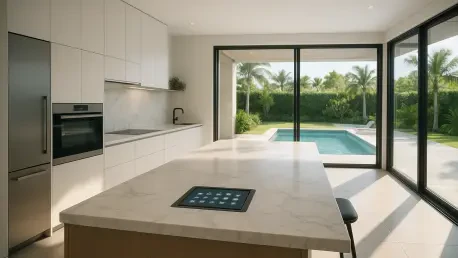
The technological heart of the Orlando home lies in its sophisticated central nervous system, which coordinates everything from climate control to security with minimal user intervention. High-definition sensors are embedded throughout the living spaces, allowing the house to adjust lighting and temperature based on the occupancy and preferences of the residents. For a retired individual, these features offer more than just convenience; they provide a layer of safety that is invaluable, such as automated fall detection and emergency alerts that can be sent to family members. The kitchen is equipped with intelligent appliances that can track inventory and suggest recipes based on available ingredients, effectively reducing food waste and simplifying meal preparation. These systems are designed to learn the habits of the occupants, refining their operations over time to maximize efficiency and comfort. This level of automation represents the current standard for high-end residential projects, showcasing how AI can be a silent partner in managing the complexities of daily life.
Sustainable energy production and management are critical components of the home’s infrastructure, reflecting a commitment to environmental stewardship. A rooftop solar array is paired with a high-capacity battery storage system, allowing the residence to remain operational during power outages and significantly reducing reliance on the municipal grid. The integration of a smart circuit breaker panel allows the homeowner to monitor energy usage in real-time through a mobile application, identifying high-consumption appliances and adjusting their schedules to take advantage of off-peak rates. Additionally, the inclusion of a state-of-the-art electric vehicle in the prize package underscores the shift toward a holistic, carbon-neutral lifestyle. The charging station in the garage is synced with the home’s energy management system, ensuring the vehicle is powered by sunlight whenever possible. This comprehensive approach to sustainability demonstrates that luxury living can coexist with a reduced ecological footprint, providing a blueprint for future residential developments in Florida and beyond.
Strategic Implementation: Insights for the Future of Smart Living
The transition process for the winner involved a series of instructional sessions where experts explained the intricacies of the home’s diverse technological systems. It was crucial for the new owner to feel empowered by the technology rather than overwhelmed by its complexity, so the design team prioritized intuitive interfaces and voice-command capabilities. The successful integration of these systems proved that even individuals who did not grow up in the digital age could master and benefit from advanced home automation. Financial advisors worked closely with the winner to establish a long-term management plan, ensuring that the luxury of the home remained sustainable through the coming decades. This careful planning addressed potential concerns regarding the costs of high-tech maintenance and property management in an evolving real estate market. The experience provided valuable data on how retirees interact with smart environments, offering insights that will likely influence the design of future age-in-place communities and specialized housing solutions.
Homeowners who sought to replicate this success were encouraged to start with incremental upgrades that focused on energy efficiency and security before investing in full-scale automation. The Orlando project demonstrated that the most effective smart features were those that solved specific problems, such as water conservation through smart irrigation or improved air quality through advanced filtration systems. Professionals in the industry recommended that individuals audit their current living spaces to identify areas where technology could provide the highest return on investment. As the market for residential tech continued to expand, the emphasis shifted toward interoperability between different brands and platforms, making it easier for consumers to build cohesive systems. The victory of Shirley Smith served as a practical example of how modern tools could enhance the quality of life for the elderly, sparking conversations about accessibility in technology design. Ultimately, the focus remained on creating environments that were not only intelligent but also deeply human and responsive to the unique needs of their inhabitants.