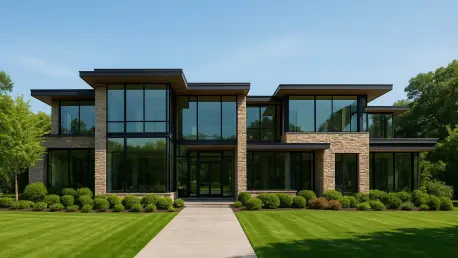
Founded as a small partnership between two brothers in 1978, the organization has evolved into a sophisticated firm comprised of four sons, relatives, and longtime neighbors. This Hamilton, Ohio-based enterprise recently made a pivotal shift by launching a dedicated Custom Homes Division, moving

Business owners in the Ninth Street and New York Avenue area have faced property damage from stormwater flooding attributed to flawed drainage designs within the Great Blocks project. This specific failure represents just one facet of a broader infrastructural crisis currently unfolding in
The expansion of the Right to Work regime introduces the concept of upstream liability, where a developer can be penalized for violations occurring several tiers deep. This regulatory shift, implemented by the Home Office, represents a fundamental departure from the previous model where legal

Preliminary findings from the Pikine tragedy indicate a total absence of guardrails and safety nets, which are essential for preventing fatal outcomes during equipment malfunctions. The death of A. Diallo, a 22-year-old mason who fell three stories after a hoisting rope snapped, has forced a
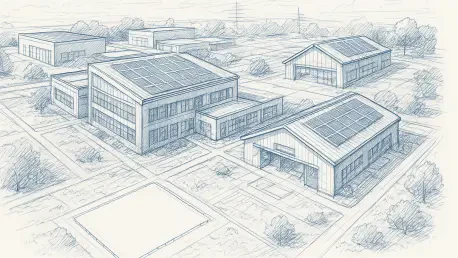
To address the critical shortage of healthcare workers in Coconino County, the college is prioritizing the construction of a state-of-the-art Allied Health Building. This initiative marks a pivotal moment for Coconino Community College as it enters a transformative development phase, fueled by a

The final year of the $28 million project will be dedicated exclusively to surface-level work between Emerald Street and Central Square to ensure a 2028 completion. This significant investment represents a once-in-a-generation effort to revitalize the historic heart of Keene, New Hampshire, by