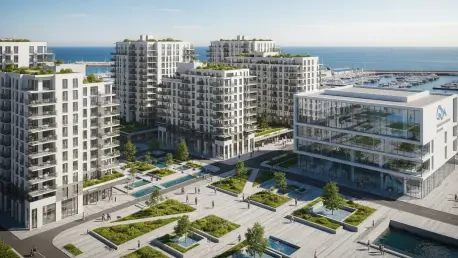

The shoreline of Swansea stands on the precipice of a monumental transformation that seeks to bridge the historical significance of its maritime past with the urgent architectural demands of the present day. For years, the Civic Center served as a functional yet increasingly outdated centerpiece of local governance, occupying a prime coastal location that remained largely underutilized by the broader public. The decision to overhaul this site reflects a growing global trend where aging municipal structures are replaced by vibrant, mixed-use developments that encourage social cohesion and economic resilience. By dismantling the barriers between the city and its waterfront, the local council aims to breathe new life into the district, ensuring that the land serves a purpose far beyond bureaucratic administration. This evolution is not merely about demolition but about creating a legacy where residential comfort and recreational wonder coexist within a single, unified district that serves everyone.
Transforming Administrative Hubs Into Living Spaces
The Shift Toward Residential Density
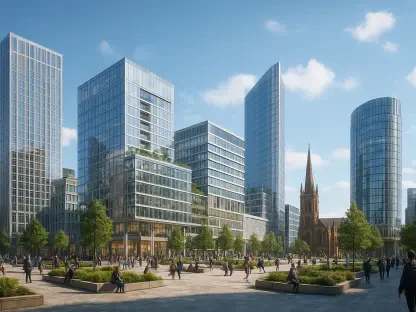
The cornerstone of the redevelopment plan involves a robust commitment to high-quality residential development that addresses the pressing need for modern housing in the city center. By introducing hundreds of new homes into a previously commercialized zone, the project facilitates a transition toward a more sustainable and walkable urban environment where residents can live and work within a compact footprint. These residential blocks are designed with a focus on maximizing natural light and providing panoramic views of the bay, making them highly attractive to young professionals and downsizing retirees alike. Beyond simple aesthetics, the inclusion of affordable housing units within the complex ensures that the area remains diverse and accessible to a wide demographic, preventing the social stagnation often seen in high-end coastal developments. This influx of permanent residents provides the necessary foot traffic to support local shops, cafes, and services, creating a self-sustaining ecosystem.
Integrating Sustainable Urban Design
Building on this residential foundation, the architectural approach prioritizes environmental stewardship through the use of carbon-neutral materials and advanced energy management systems. Every facet of the new construction incorporates smart technology designed to monitor and reduce consumption, from gray-water recycling systems to high-efficiency thermal insulation that exceeds standard regulatory requirements. This focus on sustainability extends to the public realm, where landscaped gardens and pedestrianized plazas replace the vast asphalt car parks that once dominated the site. These green spaces act as a buffer against urban heat and provide a natural haven for biodiversity, integrating the built environment with the local ecosystem rather than imposing upon it. By favoring mass timber structures and modular construction techniques, the developers reduced the overall carbon footprint of the build process while ensuring that the finished product remains adaptable for future needs.
Enhancing Leisure and Scientific Engagement
The Aquarium as a Cultural Anchor
Central to the project’s appeal is the inclusion of a world-class aquarium designed to serve as both a major tourism draw and a hub for marine research and public education. This facility is not just an entertainment venue but a sophisticated laboratory where local marine biologists can study the unique ecosystems of the Bristol Channel and the surrounding Atlantic waters. Visitors are invited to explore interactive exhibits that highlight the importance of ocean conservation, fostering a sense of responsibility toward the natural world through immersive technological displays and live habitat simulations. The presence of such a high-profile attraction significantly elevates the city’s status as a regional destination, drawing thousands of visitors each week who contribute to the broader hospitality sector. Moreover, the aquarium’s integration into the residential fabric creates a unique synergy, where educational programming is woven into the daily lives of those living nearby.
Economic Growth and Community Impact
The revitalization of the Swansea Civic Center site successfully demonstrated how cities could repurpose underperforming real estate to catalyze broad economic and social benefits. By prioritizing a mix of high-density housing and specialized tourism assets like the aquarium, the project delivered a reliable framework for sustainable urban growth that appealed to diverse stakeholders. Local authorities moved away from the outdated model of isolated government buildings and instead embraced a philosophy of multi-functional spaces that served the public around the clock. This transition fostered a renewed sense of civic pride as residents and tourists alike gathered in areas that were previously closed off or ignored. Businesses found a stable environment for investment, leading to the creation of hundreds of permanent jobs within the hospitality and scientific research sectors. For other coastal regions facing similar challenges, this model provided clear evidence that integrating conservation was the most effective way.