
The traditional concept of a centralized office has fundamentally dissolved into a multifaceted ecosystem where the physical environment acts as a catalyst for human performance rather than a mere container for desks. As hybrid work transitions into a mature phase of development, the emphasis has shifted away from simply providing a place to sit toward creating high-functioning zones that accommodate a diverse spectrum of professional activities. Organizations are discovering that the successful return to the office depends on offering an experience that remote environments cannot replicate, specifically through high-end spatial engineering and ergonomic excellence. This evolution is driven by the recognition that employees require fluid transitions between intense concentration and spontaneous social connection. By integrating cutting-edge materials with smart architectural logic, facility managers are now treating the office as a dynamic asset that evolves to meet the specific demands of a technologically empowered workforce in this modern business climate.
Ergonomic Evolution: Personalizing Comfort and Focus
Current trends in task seating have moved beyond manual adjustments toward human-centric systems that respond intuitively to a user’s unique physiological requirements. Manufacturers are now utilizing frameless, suspended back structures and weight-activated lumbar supports that eliminate the need for complex levers by automatically calibrating to the sitter’s posture. This technological leap ensures that support is consistent regardless of whether a person is leaning forward for deep work or reclining during a call, effectively reducing long-term musculoskeletal strain. Beyond sheer comfort, these seating solutions are manufactured using sustainable, high-recycled-content polymers that align with corporate environmental goals while maintaining high durability. The focus remains on providing a seamless interface between the human body and the workstation, allowing professionals to maintain high productivity without the distraction of physical fatigue or the lingering discomfort associated with older furniture designs.
In response to the noise challenges inherent in open-plan layouts, modular acoustic pods have emerged as a critical component for maintaining individual focus and conversational privacy. These self-contained units act as a sophisticated “space within a space,” utilizing high-density sustainable insulation and multi-layered glass to block out ambient office chatter and equipment hums. Modern iterations are equipped with internal motion sensors that activate ventilation and lighting only when the booth is occupied, optimizing energy management while ensuring a fresh internal climate for the user. These pods offer a scalable alternative to permanent renovations, allowing organizations to reconfigure their floor plans as team sizes fluctuate without incurring heavy construction costs. By providing a quiet sanctuary for private video calls or intensive analytical tasks, these acoustic solutions bridge the gap between the vibrancy of a shared office and the quietude necessary for deep focus and peak cognitive performance.
Shared Spaces: Cultivating Interaction and Versatile Utility
The integration of residential aesthetics into commercial environments, often referred to as “resimercial” design, is transforming lobbies and breakrooms into high-functioning collaborative hubs. Modular lounge systems are at the forefront of this shift, offering endless configurations that can be rearranged to suit anything from a casual morning huddle to a formal afternoon briefing. These furniture pieces utilize plush, durable fabrics and ergonomic cushioning to create an inviting atmosphere that encourages spontaneous interaction among staff members who might otherwise remain siloed. To ensure these spaces remain productive, designers are embedding discreet power outlets and USB-C charging ports into the framework of sofas and side tables, allowing for continuous digital connectivity. This approach acknowledges that some of the most innovative ideas happen outside of formal meeting rooms, providing a relaxed yet professional setting that fosters social capital and meaningful community cohesion among the workforce.
Redesigning collaborative zones requires a focus on inclusivity and technological accessibility to ensure that every participant, regardless of their role or physical needs, can contribute effectively. Modern meeting hubs are moving away from the standard boardroom table in favor of diverse heights and shapes that cater to different styles of engagement, such as standing-height tables for quick stand-ups or lower lounge-style settings for creative brainstorming. These tables feature integrated wire management systems that keep work surfaces clear of clutter, while wireless charging pads allow for a seamless transition between devices. This attention to detail ensures that the physical environment supports the high technological demands of contemporary business without sacrificing a clean and professional aesthetic. By creating spaces that are both physically accessible and technologically robust, organizations foster an environment where teamwork is intuitive, which helps in driving better project outcomes.
Strategic Adaptability: Synchronizing Teams and Operational Resilience
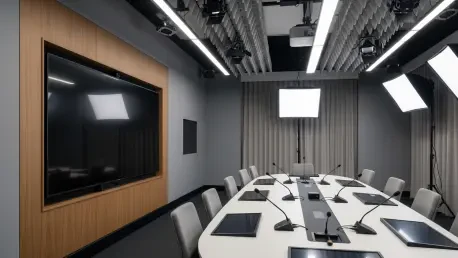
Effective hybrid collaboration demands more than just a laptop camera; it requires a specialized integration of hardware into the office’s architectural fabric to create equitable experiences for all. Specialized frames and mounting systems for large-format displays and high-definition cameras are being built directly into wall structures to ensure that remote participants are visible at eye level. This intentional placement helps to bridge the psychological gap between in-office employees and their remote counterparts, making virtual interactions feel more like a natural extension of the room. Furthermore, these integrated solutions allow for better control over lighting and acoustics, which are crucial for professional-grade video conferencing. By treating digital connectivity as a core component of the layout rather than an afterthought, companies ensure that their communication is consistent, clear, and professional, facilitating natural brainstorming sessions for global teams in an interconnected world.
The transition toward a highly specialized and fluid office environment demonstrated that the physical workplace remained a vital asset when aligned with the diverse needs of a hybrid workforce. Success in this era was defined by moving beyond static furniture and adopting modular systems that prioritized both individual focus and communal connection through thoughtful engineering. To maintain this momentum, facility managers prioritized regular audits of space utilization data to ensure that their layouts evolved alongside shifting employee behaviors and technological requirements. Organizations that successfully integrated these innovative solutions focused on creating a balanced ecosystem where ergonomic precision and digital equity were standard features of the daily experience. Ultimately, the most resilient organizations were those that treated the office as a living environment, constantly adjusting to the rhythm of human activity and the various demands of digital-first collaboration to ensure long-term employee retention.