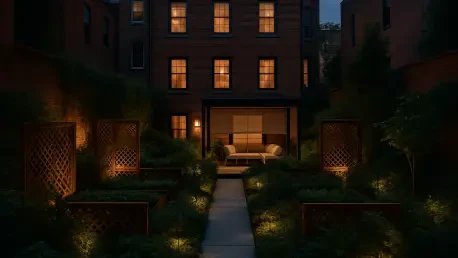

Property owners across the District of Columbia are increasingly viewing their limited exterior square footage not as a mere patch of lawn, but as a critical laboratory for architectural innovation and personal sanctuary. This profound shift in perspective has led to the rise of the outdoor room, a concept where backyards are engineered with the same level of precision as any interior renovation project. No longer satisfied with a simple patio and a few shrubs, modern residents are demanding environments that reflect their indoor lifestyle, complete with climate control, high-end kitchens, and sophisticated lighting systems. These spaces serve as essential retreats from the dense urban atmosphere, blending the raw beauty of nature with the refined comforts of a luxury home. By treating the backyard as an integral component of the property, designers are effectively expanding the livable footprint of the city’s residences, ensuring that every inch of a lot serves a distinct functional purpose.
Philosophical and Technical Foundations: Designing for Integration
The evolution of metropolitan landscape architecture is currently defined by a philosophy of integrated living that prioritizes the economical and functional use of every available square foot. Designers are moving away from decorative gardening in favor of creating cohesive environments that facilitate specific lifestyle activities, such as alfresco dining, professional-level exercise, and private relaxation. This approach requires a deep understanding of how people move through space, ensuring that transitions between the interior of the home and the exterior landscape feel natural and fluid. By establishing a strong thematic connection between these two realms, architects are able to create a sense of harmony that elevates the overall value of the property. The goal is no longer just to plant a garden, but to construct a series of interconnected living spaces that offer a high degree of privacy and comfort while remaining deeply connected to the natural world.
Strategic Layouts for Spatial Optimization
Designing for the unique urban geography of the District requires innovative techniques to navigate the challenges of narrow row houses and uneven terrains, transforming obstacles into distinct experiential zones. A popular contemporary method involves the reveal, where specific architectural or natural elements are obscured from immediate view to foster a sense of discovery as one moves through the property. By tucking a hidden storage area or a raised vegetable garden behind a structured screen of lush greenery, the designer forces the eye to explore the space in layers, making even the most compact city lots feel significantly larger and more dynamic. This intentional layering creates a narrative flow throughout the property, where a transition from a formal dining terrace to a secluded lounging nook feels like moving between separate rooms in a residence. This strategy not only maximizes the perceived size of the yard but also provides residents with varied moods and functions.
The Critical Role of Subsurface Infrastructure
While the visual aesthetic of a modern oasis is what captures the attention, the true success of these high-end projects lies within the complex engineering that remains hidden beneath the surface. Investing in the unseen—such as precision grading, advanced structural drainage systems, and high-performance subsurface irrigation—is now considered the absolute gold standard for landscape development in the city. Utilizing reality capture technology and data-driven site planning ensures that luxury installations are built upon a foundation capable of withstanding the region’s intense seasonal shifts and heavy rainfall. Without these technical safeguards, even the most expensive stone masonry or exotic plantings are prone to shifting or degradation within a short period. By prioritizing subsurface stability and hydrological management from the outset, homeowners secure the longevity of their investment, allowing the landscape to mature gracefully and maintain its structural integrity.
Strategic Execution and Prevailing District Trends
The execution of these sophisticated landscapes is increasingly driven by the demand for year-round versatility and professional-grade amenities that mirror the functionality of indoor living spaces. Modern homeowners are prioritizing covered terraces equipped with integrated heating systems and automated screens, allowing for comfortable outdoor activities regardless of the season. Central to this shift is the evolution of the outdoor kitchen, which has moved far beyond a simple grill station to become a professional-grade culinary center with full-size appliances and specialized ventilation. This design shift is primarily social; it allows hosts to remain fully engaged with their guests while preparing meals, effectively turning the backyard into a primary hub for social interaction. Furthermore, designers are now placing a greater emphasis on the economic realities of maintenance, ensuring that clients understand the long-term costs associated with complex features and intricate seasonal plantings.
Innovative Solutions for High-Density Environments
In Northwest DC and surrounding historic neighborhoods, the challenge of maximizing utility in cramped lots has led to a wave of creative engineering solutions that transform constraints into assets. One notable trend involves the installation of elevated swimming pools where the coping is specifically designed to double as a continuous seat wall, effectively saving space that would otherwise be occupied by furniture. This multi-functional approach preserves the central lawn for family activities while still offering the luxury of a private pool in an urban setting. Furthermore, the use of premium materials like Jerusalem limestone and custom fire features—including formal masonry fireplaces and casual fire pits—has become a hallmark of these refined retreats. These elements are paired with water walls strategically positioned to act as acoustic barriers against the pervasive drone of city traffic. By creating a literal wall of sound and light, designers carve out a private sanctuary in the heart of the District.
Implementing Resilient Strategies for Urban Sanctuary Development
The successful transformation of the DC backyard into a modern oasis required a radical departure from traditional gardening toward a holistic integration of architecture and ecology. Homeowners who achieved the best results prioritized a comprehensive site assessment before committing to any aesthetic upgrades, ensuring that their drainage and soil health were optimized for longevity. They sought out multidisciplinary teams capable of navigating the complex permitting processes and technical demands of urban construction. Moving forward, the most sustainable approach involved the adoption of smart irrigation and low-voltage lighting systems that reduced resource consumption while enhancing security and ambiance. Those who viewed their landscape as a living, breathing component of their home’s infrastructure found that they could mitigate urban heat island effects and improve their quality of life. Ultimately, the focus shifted from simple beautification to the creation of resilient, multi-functional environments.