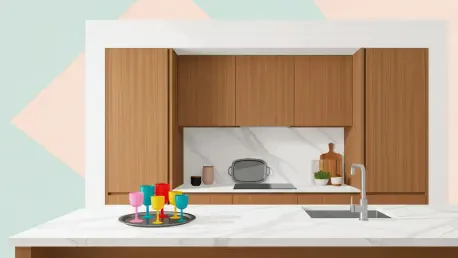

The stark minimalism that once dominated interior design is rapidly being replaced by a desire for soulful environments that celebrate the imperfect beauty of past eras while maintaining the functional efficiency required by modern lifestyles. Today, the prevailing trend moves away from the cold, monochromatic looks of previous years toward a vibrant retro resurgence often dubbed the grandma’s house aesthetic. This movement is not merely a nostalgic retreat but a deliberate effort to inject personality into spaces that often feel sterile or overly clinical. By blending colorful, eclectic decor with the open and efficient layouts of modern architecture, homeowners are moving toward creating environments that feel lived-in and deeply personal. This departure from mass-produced perfection signifies a broader cultural shift where the home is seen as a sanctuary of individual expression rather than a showroom. The result is a residence that prioritizes comfort and character, inviting a dialogue between the history of the objects and the lives of those who use them daily.
The Philosophy of Harmonizing Historical Elements with Modernity
Successful integration of vintage elements relies heavily on establishing a nuanced middle ground between historic charm and contemporary functionality. Rather than transforming a living space into a static museum exhibit, seasoned designers emphasize the importance of layering specific antique pieces within a framework of current furniture. An ornate gilded mirror or a weathered rustic wooden frame can serve as a powerful focal point when placed above a sleek, low-profile sofa or a minimalist console table. This intentional juxtaposition creates a visual tension that makes a room feel expertly curated rather than haphazardly assembled or dated. The goal is to allow each piece to breathe, ensuring that the heavy textures of the past do not overwhelm the clean lines of the present. By carefully selecting which eras to highlight, a homeowner can bridge the gap between traditional craftsmanship and modern needs, resulting in an environment that feels both sophisticated and grounded in a rich historical context.
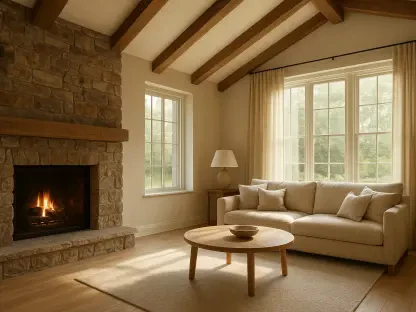
Natural wood is experiencing a significant resurgence in the current design era, effectively reclaiming its place as a primary material for high-end home interiors. Many homeowners are now opting for the organic warmth of stained oak, walnut, and reeded finishes over the flat, painted surfaces that were popular in previous years. These materials provide a palpable sense of sturdiness and inherent character that modern flat-packed furniture frequently fails to deliver. The tactile quality of a well-crafted wooden grain adds an immediate layer of depth to a room, making it feel more established and permanent. This shift toward natural finishes reflects a growing appreciation for materials that age gracefully and develop a unique patina over time. By incorporating solid wood elements into a modern layout, designers can anchor a room with a sense of gravity and history. This approach ensures that even the most contemporary spaces feel connected to the natural world, providing a richness that enhances the sensory experience of the home.
Transforming Atmospheres Through Bold Patterns and Sourcing
The era of all-white minimalist rooms is rapidly fading as bold, patterned wallpaper and unique accessories take center stage in modern home design strategies. Homeowners are increasingly treating the ceiling as a fifth wall, applying vibrant, intricate designs to create an immersive and intimate atmosphere that wraps around the entire room. Saturated colors like retro pinks and deep purples are being used to define specific zones, providing each room with a distinct mood and identity. Patterned surfaces offer a way to introduce texture without cluttering the physical space, allowing for a clean look that remains visually stimulating. Furthermore, small details such as vintage glassware and heirloom linens play a vital role in transforming a sterile house into a warm, lived-in home. Sourcing items like classic coupe glasses or heirloom china adds a layer of craftsmanship and storytelling to everyday activities. This shift toward high-impact visuals and artisanal objects reflects a desire for environments that prioritize personal joy.
Authenticity was best achieved through sustainable sourcing methods that prioritized quality over the convenience of buying mass-market reproductions. Visiting local antique shops, exploring digital marketplaces, and repurposing family heirlooms ensured that the final decor possessed a genuine history and a unique aesthetic footprint. This approach not only promoted environmental sustainability by extending the life of high-quality furniture but also ensured that the design was a true reflection of the individual. Homeowners discovered that investing in pieces with a past provided a level of durability and soul that was often missing from temporary, trend-driven items. The most effective strategy involved identifying items with structural integrity rather than surface-level appeal. By choosing to preserve and integrate historical elements, residents successfully created homes that felt anchored in time yet fully equipped for the present. This methodology provided a clear path forward for those seeking to build a space that was both beautiful and responsible.