
The traditional perception of a university campus as a collection of static, single-purpose monuments has dissolved under the weight of modern economic pressures and the fundamental transformation of the global labor market. As academic leaders navigate the complexities of 2026, the rigid structures of the previous century have transitioned from symbols of academic stability into strategic liabilities that often hinder institutional agility and fiscal health. Modern campus facilities must now prioritize institutional value, a multifaceted metric that transcends mere aesthetics to encompass student retention, workforce readiness, and a profound sense of community belonging among an increasingly diverse student population. This transformation is not merely about changing the layout of a room; it is a fundamental reevaluation of the physical campus as a tool for mission-driven success. By focusing on resilient design, colleges ensure their physical footprint actively contributes to the institutional bottom line by attracting students who are increasingly discerning about the return on their educational investment. The goal is to move away from the “static monument” philosophy and toward an ecosystem of spaces that can pivot in response to social and economic fluctuations without requiring astronomical capital expenditures. This approach allows institutions to maintain their competitive edge while fostering an environment where students feel supported both academically and socially throughout their journey.
Socioeconomic Drivers: The Catalyst for Architectural Evolution
The current landscape of 2026 is defined by a significant demographic shift often referred to as the enrollment cliff, which has forced colleges and universities to reconsider their architectural priorities. As the pool of traditional-age students shrinks and tuition growth continues to outpace wage increases, institutions are under immense pressure to justify every capital project through the lens of student success and institutional longevity. Every new building or renovation must now serve as a primary recruitment tool, helping colleges compete for students who evaluate campuses based on their authentic culture and the quality of their professional preparation. In this hyper-competitive environment, the physical campus serves as a silent brand ambassador, signaling an institution’s commitment to modern pedagogy and student well-being. Consequently, facilities that fail to offer high-impact, engaging environments are increasingly seen as wasted assets that do not contribute to the overall value proposition of the institution. Administrators are recognizing that the physical environment is an essential component of the student experience, influencing everything from initial enrollment decisions to long-term alumni engagement.
Furthermore, the rapid pace of technological change means that many industries are evolving at a speed that traditional construction cycles, which typically span several years, simply cannot accommodate. This creates a potential disconnect between the time a project is conceived and the point at which its graduates eventually enter a workforce that may have moved on to new digital workflows and methodologies. To bridge this gap, institutions are prioritizing the development of facilities that can adapt to new instructional methods and emerging technologies without necessitating expensive, full-scale renovations every five to ten years. This focus on adaptability ensures that the campus remains relevant and capable of supporting the latest advancements in artificial intelligence, virtual reality, and collaborative digital platforms. By designing for this inherent uncertainty, universities can protect their financial investments and ensure that their physical infrastructure remains an asset rather than an obstacle to academic innovation. The ability to pivot quickly in response to market demands has become a hallmark of a resilient institution, allowing for the seamless integration of new programs as they emerge.
Defining Resilience: From Furniture Flexibility to Structural Agility
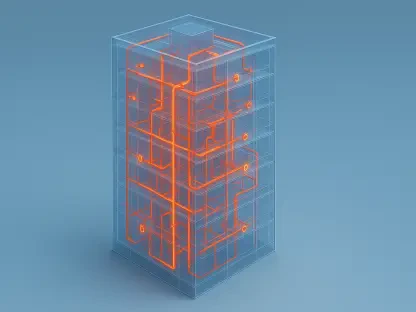
It is essential to distinguish between mere flexibility and true long-term resilience when planning modern campus environments for the coming years. While flexibility often refers to the inclusion of temporary features like reconfigurable furniture or movable wall systems, resilience describes the broader institutional capacity to adapt the entire physical footprint to macro-level shifts in academic programming. This approach treats the university’s buildings as a vital component of strategic risk management, ensuring that campus assets do not become underutilized financial liabilities as pedagogical needs change over the course of several decades. Resilience involves thinking about the building’s core structure—the envelope, the floor plates, and the utility distribution—as a permanent framework that can host a variety of different functions throughout its lifecycle. By investing in this higher level of structural agility, institutions can avoid the trap of creating specialized spaces that become obsolete as soon as a particular department or technology falls out of favor. This forward-thinking strategy allows for a more sustainable use of capital, as the building itself is designed to evolve alongside the institution’s mission.
To measure the success of these resilient environments, colleges are moving away from traditional metrics like simple square footage or room utilization rates in favor of outcome-based assessments. Instead of merely asking how often a lecture hall is occupied, administrators are now looking at whether a specific space fosters the sense of connection and academic engagement necessary to reduce student dropout rates. The most valuable square footage on a modern campus is that which performs multiple “jobs” simultaneously, acting as a social hub, a learning environment, and a wellness resource all at once. This shift in perspective recognizes that the success of a building is inextricably linked to the success of the students who inhabit it. Metrics that prioritize student persistence and mental health are becoming the standard for evaluating the return on investment for new construction and major renovations. When a space is designed to support the “whole student,” it contributes to a more vibrant and resilient campus culture, which in turn drives the long-term financial health of the institution. The focus is no longer on how many students can fit in a room, but on how effectively that room facilitates the interactions that lead to graduation and professional achievement.
Integrated Ecosystems: Case Studies in Multi-Functional Success
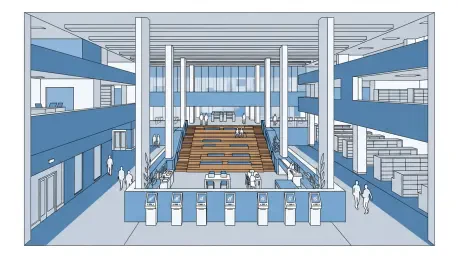
The evolution of the campus library serves as a primary example of how resilient design can transform an aging facility into a vibrant academic home. Projects like the Chabot College Library have successfully transitioned from being quiet repositories of physical books into dynamic hubs that integrate tutoring, academic advising, and high-tech digital resources in a single location. By becoming a primary destination for both social interaction and intense academic engagement, these spaces act as critical retention tools that help students feel more deeply connected to their peers and the institution as a whole. Statistically, students who utilize these centralized resources are more likely to persist in their studies and complete their degrees, directly contributing to the institution’s overall value. This integrated approach breaks down the traditional silos between academic and student affairs, creating a seamless support network that is physically anchored within the library. The result is a space that is constantly in use, serving a wide variety of student needs from early morning study sessions to late-night collaborative projects. This level of activity and engagement justifies the investment in the facility and ensures its relevance for years to come.
Similarly, the rise of “Living and Learning Neighborhoods,” such as the Ridge Walk North project at UC San Diego, illustrates the significant benefits of breaking down traditional planning silos on a massive scale. By blending student housing with dining, retail, and wellness resources, institutions can address non-academic hurdles like social isolation and housing insecurity that often lead to student attrition. This holistic approach ensures that the entire student journey is supported, turning residential infrastructure into a strategic asset that strengthens the overall campus appeal and competitive standing. These neighborhoods are designed to be self-sustaining ecosystems that promote a sense of belonging and community, which is essential for the mental well-being of the student body. The integration of diverse functions into a single neighborhood also allows the institution to maximize the utility of its land and resources, creating a more compact and efficient campus footprint. By providing everything a student needs within a walkable distance, the university creates a high-quality living environment that mirrors the expectations of modern urban dwellers. This model of dense, multi-functional development is becoming a preferred strategy for institutions looking to create a more resilient and attractive campus for future generations.
Technical Resilience: Building for Automation and Adaptive Reuse
Resilience in the technical and science-based sectors requires a specific focus on “good bones” to accommodate future shifts in technology and instructional methods. Facilities like the West Sound Technical Skills Center demonstrate how buildings can be designed with the inherent plumbing, electrical, and spatial capacity to house advanced automation and digital workflows that may not even exist yet. This design philosophy is increasingly being applied to university research labs and healthcare training centers, where medical equipment and simulation technologies are in a constant state of flux. By investing in high-capacity infrastructure from the outset, institutions avoid the prohibitive costs of retrofitting specialized systems every time a new piece of equipment is introduced. This strategy ensures that the facility remains a cutting-edge resource for workforce development, capable of training students on the same technologies they will encounter in the professional world. The focus is on creating a robust and adaptable shell that can be easily reconfigured as the curriculum evolves, providing a level of long-term utility that traditional, specialized labs simply cannot match. This technical adaptability is a key driver of institutional value, as it allows the college to stay at the forefront of vocational and scientific education.
The institutions that successfully navigated this transition prioritized the creation of “good bones” in their technical and science-based facilities to accommodate future technological shifts that were not yet fully realized. These organizations moved away from building for specific, siloed departments and instead invested in interconnected ecosystems that allowed the entire campus community to utilize shared, high-value assets. By evaluating every capital project through its ability to deliver on long-term institutional goals rather than immediate departmental needs, these universities addressed their deferred maintenance backlogs and reduced the necessity for new construction. They implemented strategic risk management by ensuring that plumbing, electrical, and spatial capacities were designed for maximum adaptability, particularly in healthcare and laboratory environments where equipment requirements changed rapidly. Ultimately, the successful adoption of resilient design provided a framework for maximizing existing assets through adaptive reuse, ensuring that every square foot performed multiple functions simultaneously. This shift from a focus on static occupancy to dynamic engagement proved to be the most effective way to protect the financial and academic integrity of the campus footprint during a period of unprecedented change. Leaders who embraced this philosophy created a legacy of sustainability and institutional strength that empowered their students to thrive in an evolving global economy.