
The cyclical nature of aesthetic appreciation often leads designers back to the shores of Southern California, where the early-millennium elegance of Malibu is currently redefining the way residents interact with their immediate outdoor environments. This resurgence centers on a specific brand of romanticized Americana that values the lived-in, “shabby chic” warmth popularized by iconic coastal estates, moving away from the cold minimalism that previously dominated modern architecture. Homeowners are increasingly seeking a sense of sanctuary, or “cocooning,” which prioritizes soft textures and inviting layouts over the purely utilitarian or industrial designs of the past decade. By drawing from these historic beach house influences, the current movement emphasizes that a garden is not just a patch of grass but a sophisticated living space that demands the same level of comfort and aesthetic consideration as any interior room. This shift marks a significant departure from rigid, high-maintenance landscaping toward a more fluid and emotionally resonant approach to home ownership and spatial design.
The Evolution of the Indoor-Outdoor Fusion
Economic Drivers: Investing in Permanent Residential Assets
Economic factors have fundamentally altered how property owners approach home improvement, leading to a profound transformation in the integration of interior and exterior spaces. With the current climate of stabilized but higher interest rates and elevated construction costs, the incentive to move has diminished, prompting many to maximize the utility and value of their existing residences through high-end renovations. This trend has birthed a new standard where the patio is no longer a seasonal afterthought but a permanent, year-round extension of the main floor plan. Modern families are investing in sophisticated climate-controlled pergolas and high-tech outdoor kitchens that rival their indoor counterparts in both functionality and style. These upgrades are not merely about luxury but reflect a deep-seated desire for intentional living, where every square foot of a property is optimized for relaxation, entertainment, and daily activity. Consequently, the boundary between the living room and the backyard has effectively vanished, replaced by seamless transitions that utilize large glass doors and consistent flooring materials to create a unified architectural experience.
Multi-Functional Spaces: The Rise of Professional Pavilions
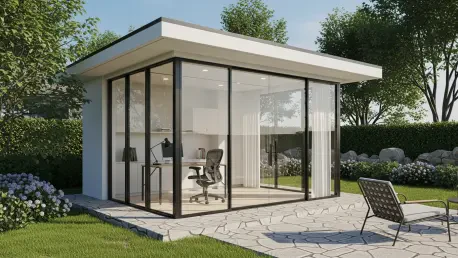
The rise of remote work and the evolution of the hybrid lifestyle have necessitated more versatile outdoor structures that serve multiple functions throughout the day. What used to be a simple garden shed is now frequently replaced by a permanent accessory structure or a “work-from-home” pavilion that offers a quiet, natural environment for professional tasks. These spaces are often equipped with high-speed connectivity and integrated lighting, ensuring they remain productive hubs during business hours before transitioning into social lounges in the evening. The shift toward these permanent structures indicates a long-term commitment to the property, moving away from the temporary furniture solutions of previous generations. As people spend more time at home, the demand for a diversified environment that provides different “settings” for work, play, and rest has become the primary driver of outdoor design innovations. This focus on utility ensures that the investment in a Malibu-inspired retreat pays off through enhanced daily well-being and increased property equity, solidifying the trend as a cornerstone of modern residential planning.
Essential Elements of the Reimagined Backyard
Artisanal Details: Mediterranean Influence and Craftsmanship
Artisanal Mediterranean details are emerging as the most significant decorative trend of the year, providing a necessary counterpoint to the mass-produced aesthetic of the previous decade. Designers are heavily favoring tiled bistro tables and intricate ironwork that evoke the timeless charm of Spanish Revival architecture, a style that fits perfectly within the relaxed Malibu-inspired framework. These pieces are chosen for their ability to tell a story through craftsmanship, featuring hand-painted patterns and aged patinas that suggest a sense of history and permanence. In an era where digital perfection is the norm, the slight imperfections of hand-crafted furniture offer a tactile and visual richness that grounds a space. These artisanal accents serve as the focal points of the outdoor lounge, drawing the eye and providing a sophisticated anchor for more neutral surrounding elements. By incorporating these traditional materials, homeowners are able to achieve a balance between old-world sophistication and the clean lines of contemporary design, resulting in a landscape that feels curated rather than manufactured.
Modern Durability: High-Performance Fabrics and Finishes
While the visual inspiration for modern outdoor furniture is rooted in the early 2000s, the materials used in their construction are advanced to meet the demands of modern longevity. Manufacturers are now utilizing hand-brushed woodgrain aluminum for frames, a material that perfectly mimics the look of natural teak or oak without the susceptibility to rot, warping, or insect damage. This innovation allows for the romantic look of weathered wood to be maintained indefinitely with minimal upkeep, fitting the busy lifestyles of contemporary property owners. Furthermore, yarn-dyed fabrics have become the gold standard for outdoor upholstery, offering deep color penetration that resists fading under intense UV exposure while remaining soft to the touch. These performance materials are essential for maintaining the “shabby chic” look, as they prevent the furniture from appearing truly dilapidated over time. By combining the aesthetic of the past with the durability of the present, designers are creating outdoor environments that are both emotionally resonant and practically indestructible, ensuring the longevity of the Malibu-inspired trend for many years to come.
Zoning and Wellness: Creating Private Health Sanctuaries
Achieving a high-end look requires applying indoor floor-planning principles to define functional zones while using nature as a primary structural component. Designers are creating distinct “rooms” that mirror the layout of a formal interior, such as dedicated lounge zones and specialized wellness areas featuring saunas or cold plunges. These zones are often partitioned by layered plantings and dense hedges rather than hard fences, creating a “cocooning” effect that offers privacy and psychological comfort. This approach softens the hard lines of the architecture and makes the outdoor transition feel natural and sheltered. By strategically placing trees and shrubs, homeowners can carve out intimate seating areas that provide a sense of seclusion within a living, breathing environment. This integration of landscaping as a structural tool transforms the traditional backyard into a functional asset, ensuring that every square foot is optimized for both aesthetic beauty and personal well-being, effectively mirroring the sanctuary-like quality of a high-end coastal estate.
Future Considerations for Outdoor Architecture
Establishing a cohesive outdoor environment that reflected these contemporary trends required a deliberate move toward high-quality materials and thoughtful spatial planning. Those who successfully adopted the Malibu-inspired aesthetic found that investing in durable, weather-resistant furnishings was the most effective way to maintain long-term value. Looking ahead, homeowners should consider how emerging smart-irrigation systems and automated lighting can further enhance the functionality of these outdoor rooms without disrupting the romanticized visual style. Future projects should prioritize the integration of sustainable technologies that support lush, structural landscaping with minimal water waste. It was also noted that the most successful designs treated the transition areas between the house and the garden as critical zones that required consistent flooring and lighting to maintain architectural unity. By viewing the backyard as a complex, multi-functional living space rather than a simple gardening plot, residents secured a more versatile and emotionally rewarding home environment that effectively bridged the gap between historical charm and modern technological convenience.