
The revitalization of public spaces often serves as the primary indicator of a community’s economic and social health, reflecting the priorities and collective aspirations of its residents. For Alquina Blue Arrows Park, the transition from a traditional local playground to a multifaceted community hub represents a significant shift in urban planning and recreational management strategies. In this current climate of 2026, the demand for versatile outdoor environments has necessitated a complete rethinking of how land is utilized for public benefit. This new vision is not merely about aesthetic improvements or the installation of new equipment; rather, it is a strategic initiative designed to foster inclusivity, enhance local biodiversity, and provide a resilient infrastructure capable of supporting diverse activities for decades to come. By prioritizing structural integrity and environmental sustainability, the planners aim to create a space that transcends the limitations of conventional park design, ensuring that every square foot serves a specific, meaningful purpose for the surrounding neighborhood.
Structural Evolution and Modern Utility
Facility Enhancements: Building Resilient Recreational Foundations
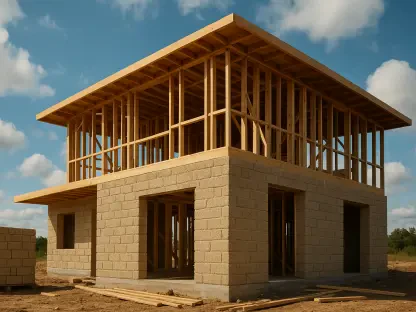
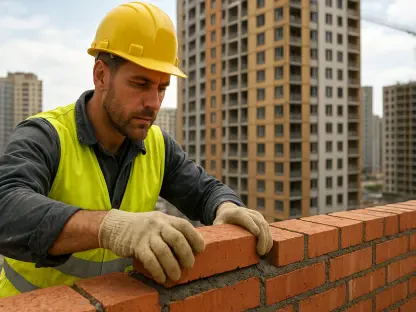
Initial construction phases scheduled from 2026 to 2028 focus heavily on the deployment of durable, low-maintenance materials that can withstand varying climate conditions while providing a safe environment for all users. Engineers have selected high-grade recycled polymers and permeable paving systems to address long-standing drainage issues that previously limited the park’s usability during the wet season. These material choices are critical because they reduce the long-term overhead costs associated with municipal maintenance, allowing funds to be redirected toward community programming. Furthermore, the installation of modular playground structures offers a flexible approach to recreation, as these units can be reconfigured or expanded as the local population grows and demographics shift. This emphasis on structural adaptability ensures that the park remains relevant even as the specific needs of the Alquina community evolve, providing a robust physical framework that supports both active sports and quiet contemplation in a balanced environment.
Technological Integration: Bridging Nature and Connectivity
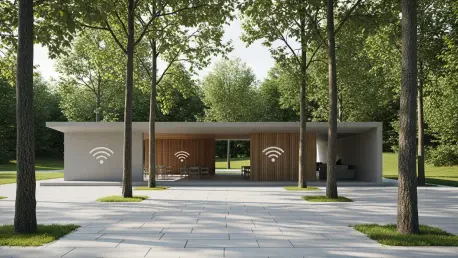
In addition to the physical structural components, the integration of smart lighting and connectivity solutions represents a pivotal aspect of the modernized park experience. The implementation of motion-activated LED systems not only enhances safety during evening hours but also significantly minimizes light pollution and energy consumption, aligning the project with broader environmental goals. These systems are connected to a centralized management network that allows for real-time monitoring of facility usage and immediate reporting of maintenance requirements. By leveraging this data, park administrators can optimize cleaning schedules and security patrols based on actual occupancy patterns rather than static estimates. Furthermore, the inclusion of public Wi-Fi zones and integrated charging stations within seating areas transforms the park into a viable space for remote work and digital learning. This technological layer bridges the gap between traditional nature-oriented recreation and the requirements of a modern, digitally-connected society.
Environmental Integration and Civic Wellness
Ecological Restoration: Cultivating Sustainable Natural Landscapes
A central pillar of the redesigned landscape involves the extensive restoration of native flora to create a self-sustaining ecosystem that requires minimal chemical intervention or artificial irrigation. By replacing vast expanses of traditional turf grass with indigenous wildflowers, shrubs, and trees, the park will significantly increase its capacity to support local pollinators and bird populations. This shift towards xeriscaping and naturalized planting beds serves a dual purpose: it reduces the carbon footprint associated with mowing and fertilization while providing a more immersive and educational experience for visitors. Strategic reforestation efforts along the park’s perimeter are also planned to act as a natural sound barrier, shielding the interior recreational zones from nearby traffic noise and creating a more tranquil atmosphere. These green buffers are essential for urban heat island mitigation, as the increased canopy cover will lower ambient temperatures by several degrees during the peak summer months, making the park a more comfortable space.
Future Stewardship: Ensuring Long-Term Community Impact
To ensure the ongoing success of these environmental initiatives, the project implemented a comprehensive plan for community-led stewardship and long-term monitoring. Educational signage placed throughout the restored habitats informed visitors about the importance of biodiversity and the specific functions of the rain gardens in managing stormwater runoff. These installations were designed to turn the park into an outdoor classroom where local schools and nature groups engaged in hands-on learning experiences. Looking ahead, the management strategy prioritized the creation of a dedicated volunteer network to assist with seasonal plantings and maintenance, fostering a strong sense of ownership among residents. The ultimate goal was to move beyond the concept of a park as a static destination and instead view it as a living, breathing component of the regional infrastructure. Decision-makers recognized that the true value of the space lay in its ability to adapt and provide practical solutions for environmental resilience while remaining a focal point for health.