
The contemporary approach to high-end exterior environments has moved beyond simple horticulture and hardscaping to embrace a philosophy known as emotional architecture. In 2026, the industry recognizes that a property’s value is increasingly tied to the psychological well-being of its inhabitants rather than just the visual appeal of its flora. This design movement treats the outdoors as a vital extension of the home’s interior identity, focusing on how a space makes a person feel rather than how it looks in a photograph. By prioritizing emotional resonance and lifestyle functionality, these landscapes serve as restorative sanctuaries that adapt to the daily rhythms and evolving needs of a family. They offer a sense of permanent escape within the confines of one’s own property, creating a sanctuary that provides solace against the pressures of modern life while grounding the residents in their immediate physical environment. This shift represents a broader cultural realization that human surroundings dictate internal states.
The Boutique Model: Prioritizing Artistry and Personalization
A significant characteristic of the current landscape design landscape is the deliberate prioritization of artisanal quality over the high-volume output common in previous decades. This transformation is driven by a boutique business model that emphasizes direct artistic involvement and the cultivation of deeper relationships between the designer and the homeowner. By moving away from large-scale corporate structures, boutique firms allow for a level of attention to detail that mass-market providers simply cannot replicate. This model ensures that the creative process remains intimate and focused on the nuances of the site and the personality of the client. In 2026, discerning homeowners are increasingly seeking out these specialized studios because they value the transparency and craftsmanship inherent in a smaller, dedicated team. This shift is not merely about exclusivity but about ensuring that every stone laid and every tree planted serves a specific purpose in the narrative of the property.
The methodology of emotional architecture relies on a human-first perspective that begins with an investigation into the daily lives and movement dynamics of the property owners. Designers in 2026 prioritize analyzing the specific emotional textures a family wishes to feel, such as the tranquility of a hidden patio or the energy of an open lawn for social gatherings. To ensure these spaces feel integrated rather than like a disconnected add-on, early-stage collaboration with architects and builders is essential. By influencing structural decisions like circulation pathways and the dimensions of outdoor living areas, the designer can create a cohesive flow between the interior and exterior environments. This level of coordination prevents the landscape from appearing as a mere backdrop, instead making it a functional and indispensable extension of the home’s primary living space. When the garden is designed around the actual habits of the residents, it transforms from a static visual display into a dynamic setting for daily life.
Site Integration: The Intersection of Psychology and Architecture
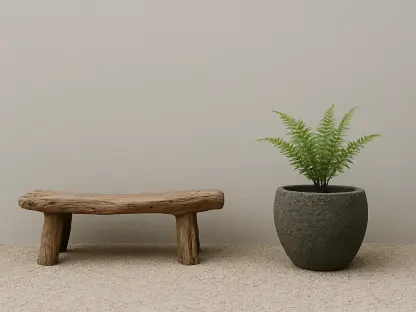
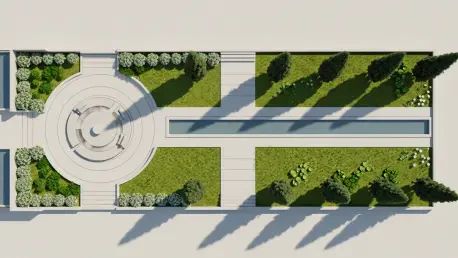
Modern landscape design leverages environmental psychology to transform the natural environment into a powerful tool for mental restoration and stress reduction. By creating intentional zones specifically designed for stillness and contemplation, designers provide residents with a daily framework for emotional health. These spaces often feature custom water elements, such as rills or infinity-edge ponds, which provide a soothing auditory background that helps drown out the distractions of the outside world. The inclusion of unique architectural fragments or hand-selected furniture further anchors the space, creating a sensory-rich environment that encourages slow movement and deep reflection. In 2026, the value of a garden is measured by its ability to act as a private sanctuary where individuals can escape the pace of digital existence. Every element, from the choice of tactile paving materials to the scent of specific plantings, is curated to reinforce an atmosphere of peace, allowing the landscape to facilitate a profound sense of psychological well-being.
The shift toward emotional architecture represented a fundamental evolution in how people perceived the role of the natural world within immediate domestic spheres. Instead of viewing the exterior as a secondary concern, homeowners began to prioritize landscapes that functioned as living repositories for family memories and long-term rituals. To advance this discipline, future practitioners should focus on integrating regenerative ecological practices with smart sensing technologies that monitor soil health and water usage in real-time. Moving forward, the industry must emphasize the creation of adaptable spaces that can evolve as children grow or as lifestyles transition toward retirement. Designers were increasingly tasked with selecting resilient plant species that provide year-round interest while supporting local biodiversity. By committing to these actionable strategies, the modern landscape became more than just a luxury; it was established as a vital component of a holistic lifestyle that supports emotional permanence.